#1
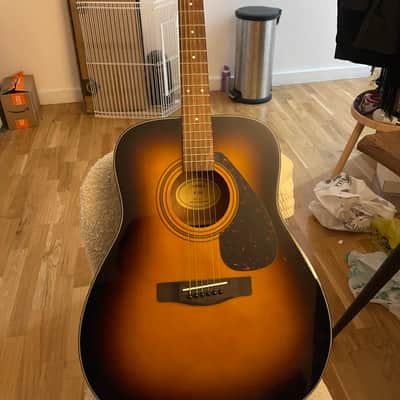
Yamaha FG800
Dreadnought acoustic · Solid spruce top, nato back/sides, scalloped bracing, 25.6" scale, gloss finish$140–$190 usedBest for: Best all-around budget acoustic, solid top for under $200, beginner to intermediate
The Yamaha FG800 is the most recommended acoustic guitar under $200 for good reason — it has a solid spruce top, which is remarkable at this price point. Solid tops resonate and improve with age in ways that laminate tops cannot. The scalloped X-bracing allows the top to vibrate more freely, producing better sustain and projection than the factory-standard bracing on most budget guitars. Yamaha's quality control ensures consistent playability. For any beginner's acoustic, the FG800 is the starting point of every conversation.
What to check used: Verify the top is solid (not laminated) — run your finger across the edge of the soundhole; a solid top will show a continuous wood grain edge without visible layers. Laminate shows distinct layers. The nato (eastern mahogany-style wood) back and sides are appropriate for this price. Check the nut action at the first fret — budget guitars occasionally ship with high nut slots that make open chords uncomfortable.
#2
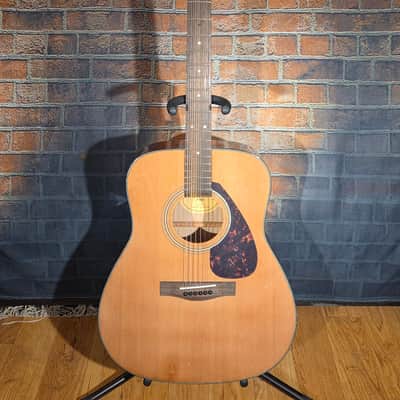
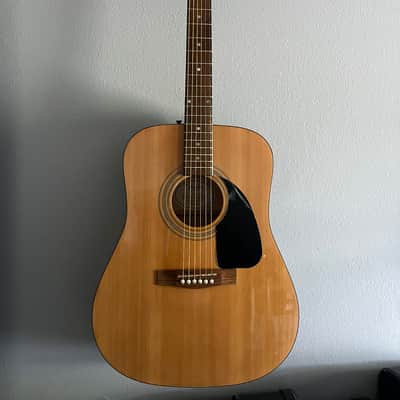
Fender CD-60S
Dreadnought acoustic · Solid spruce top, mahogany back/sides, scalloped X-bracing, 25.3" scale, satin finish$140–$190 usedBest for: Solid top beginner acoustic, Fender brand familiarity, natural matte finish, easy playability
The Fender CD-60S is the Yamaha FG800's direct competitor at the same price point — a solid spruce top and mahogany back and sides for under $200. Fender repositioned this model with significantly improved playability versus its predecessor, including a rolled neck heel that makes upper-fret access noticeably more comfortable. The satin finish is more resistant to sweat and handling marks than gloss finishes. Used at $140–$190, the CD-60S and FG800 are the two best acoustic guitars in this price range.
What to check used: The CD-60S mahogany back and sides produce a warmer, more mid-focused tone compared to the FG800's nato back and sides. Neither is objectively better — prefer FG800 for brighter projection, CD-60S for warmer finger-style sound. Check the neck relief (slight bow in neck) is appropriate — a small amount of forward bow is normal, excessive bow or back-bow indicates setup work is needed.
#3
Alvarez RD26
Dreadnought acoustic · Solid spruce top, mahogany back/sides, bi-level bridge, satin finish, 25.6" scale$130–$180 usedBest for: Budget players wanting above-average quality, Alvarez reliability, step above Yamaha/Fender
The Alvarez RD26 is slightly less well-known than Yamaha or Fender at this price range, which means used prices are often slightly lower for comparable quality. Alvarez has been making affordable guitars with solid tops since the 1960s — the RD26 continues this tradition with a solid Sitka spruce top, mahogany back and sides, and Alvarez's own bracing design. The playability is excellent from the factory. For buyers willing to consider Alvarez, the RD26 often represents the best value in the under-$200 range.
What to check used: Alvarez's lower profile compared to Yamaha or Fender means some buyers overlook it. The bi-level bridge design (common on Alvarez guitars) adds a slight platform angle — this is intentional design and affects playability positively, not a defect. Verify the truss rod has room for adjustment in both directions.
#4
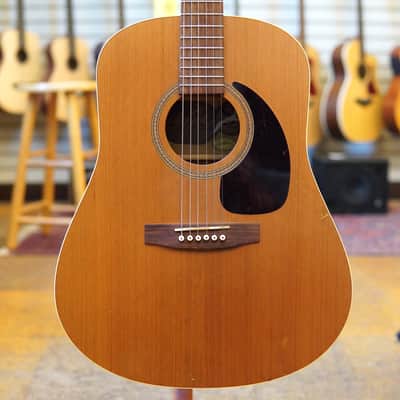
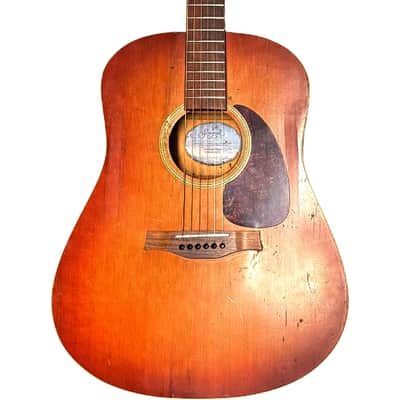
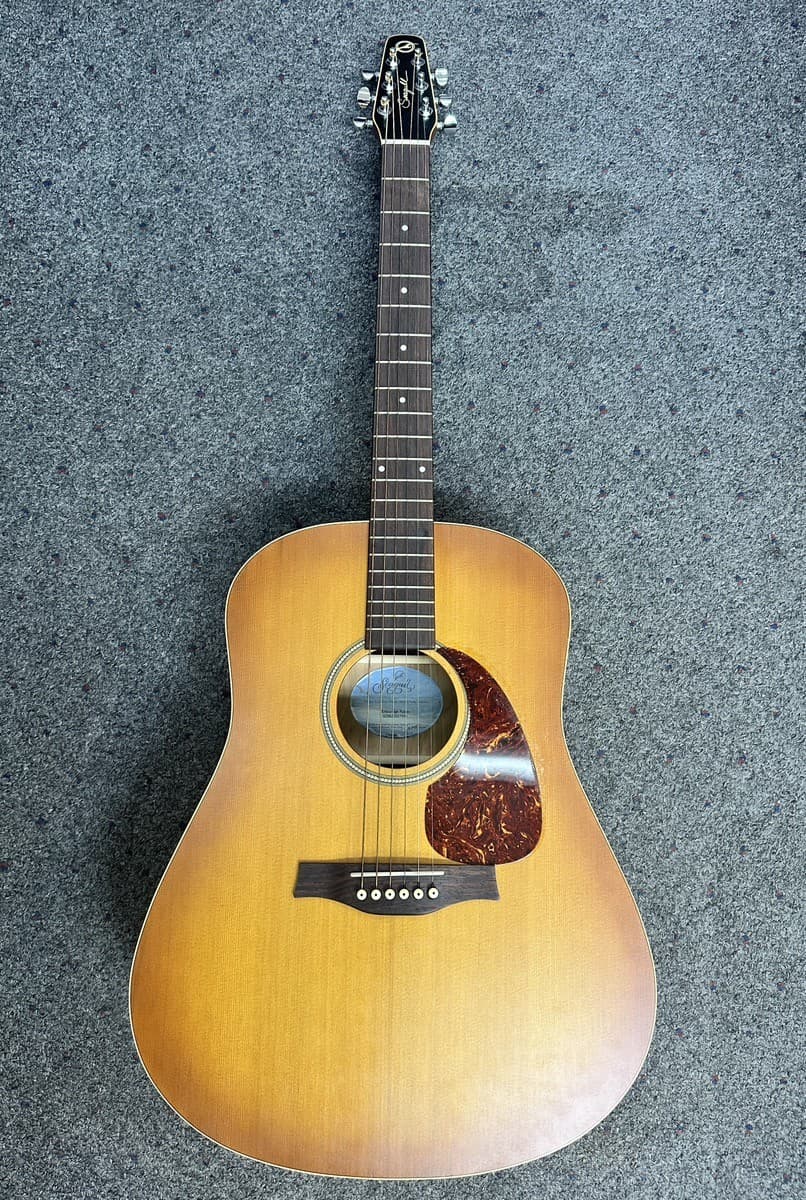
Seagull S6 Original
Dreadnought acoustic · Cedar top, wild cherry back/sides, silver leaf maple neck, made in Canada, 25.5" scale$180–$250 usedBest for: Best acoustic guitar under $300 used, Canadian quality, cedar top warmth, finger-picking
The Seagull S6 Original is technically slightly above $200 new but available used at $180–$250 — it's worth stretching the budget for if possible. Made in Seagull's Canadian factory, the S6 uses a pressure-tested cedar top (not spruce), wild cherry back and sides, and silver leaf maple neck — a combination you won't find anywhere else at this price. Cedar produces a warmer, faster-responding tone than spruce and is particularly prized for finger-style playing. The S6 is consistently ranked one of the best values in acoustic guitar regardless of price category.
What to check used: Cedar tops dent and scratch more easily than spruce — inspect used examples carefully for dings on the cedar top. The wider nut (1-13/16") is common on Canadian-made guitars and suits players with larger hands; can feel wide to players with smaller hands. Verify the tapered headstock is straight (no cracks at the headstock joint, which occasionally appears on older S6s).
#5
Jasmine S35
Dreadnought acoustic · Laminate spruce top, agathis back/sides, 25.5" scale, chrome die-cast tuners$60–$90 usedBest for: Tightest budget, first guitar for uncertain beginners, cheap beater acoustic
The Jasmine S35 is the most affordable legitimately playable acoustic guitar. At $60–$90 used, it's the guitar for a parent buying a first guitar for a child who may or may not stick with it, or for someone who wants to try acoustic guitar without committing significant money. Jasmine (Takamine's budget brand) has been making affordable accessible guitars for decades. The S35 is not a quality instrument in any meaningful sense — it has a laminate top and basic components — but it plays in tune and stays together, which is more than many guitars at this price do.
What to check used: The laminate top will never improve with playing and age the way a solid top does. The tuners are basic and may require replacement to stay in tune reliably ($15-20 Grover tuner set). This is a starter guitar, not a keeper. If the player commits to guitar, upgrade to a solid-top instrument within 6-12 months.
#6
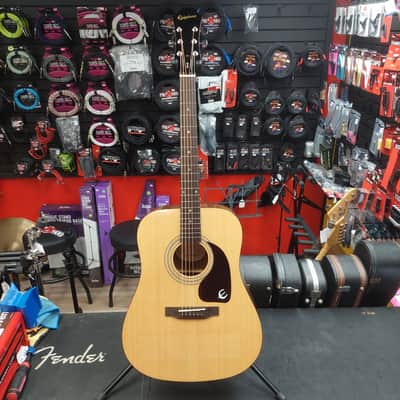
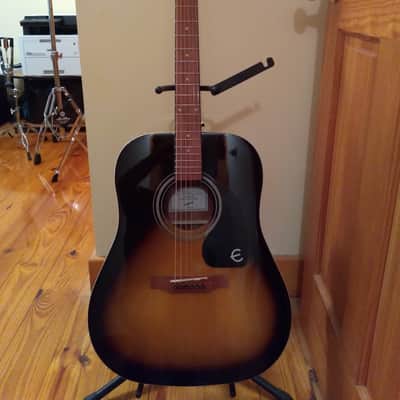
Epiphone DR-100
Dreadnought acoustic · Select spruce top (laminate), mahogany body, nato neck, chrome grover tuners, 25.5" scale$80–$130 usedBest for: Epiphone/Gibson brand familiarity, reliable budget acoustic, beginner dreadnought
The Epiphone DR-100 is a reliable entry-level dreadnought from Epiphone (the Gibson-owned brand). At $80–$130 used, it performs comparably to other laminate-top guitars at this price range, with the added benefit of Epiphone's quality control and Gibson-heritage brand recognition. The DR-100 has been a consistent seller for Epiphone precisely because it does what it needs to at an accessible price. For beginners who are drawn to the Epiphone name, it's a sound choice.
What to check used: The 'select spruce' top is laminated, not solid — it won't respond and improve with age like the FG800 or CD-60S. For the same price or slightly more used, the FG800 is a better instrument due to the solid top. The DR-100 is a valid choice but not the best value at its price point compared to Yamaha or Fender alternatives.
#7
Orangewood Oliver
Concert acoustic · Solid spruce top, mahogany back/sides, concert body (smaller than dreadnought), 24.75" scale$120–$160 usedBest for: Smaller body players, singer-songwriters, those who find dreadnoughts too large, women's guitar
The Orangewood Oliver is a direct-to-consumer brand that offers solid-top acoustic guitars at competitive pricing. The Oliver's concert body is smaller and lighter than a dreadnought — better suited to smaller players or those who find dreadnought guitars unwieldy. The solid spruce top and mahogany back and sides produce good tone for this price range. Orangewood's business model (no dealer markups) means the used market price is genuinely competitive. Used at $120–$160.
What to check used: Orangewood is a newer brand with less established resale value than Yamaha or Fender — used prices may be harder to predict. The concert body produces less volume projection than a dreadnought. Verify the action is set correctly; factory setup on direct-to-consumer brands varies more than established brands.
#8
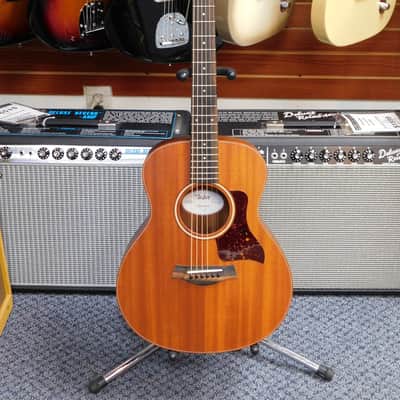
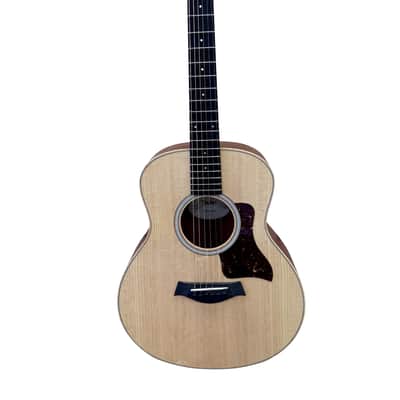
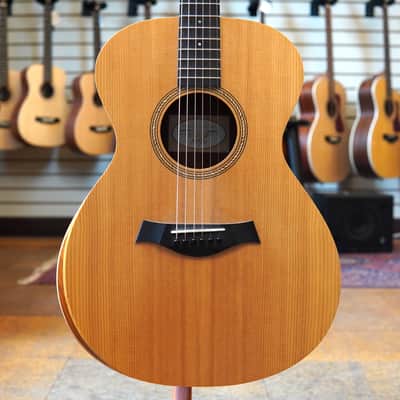
Taylor Academy 10
Grand Concert acoustic · Layered spruce top, layered sapele back/sides, Taylor NT neck, 24-7/8" scale$180–$250 usedBest for: Taylor at entry-level price, excellent playability, brand investment, player who wants a Taylor
The Taylor Academy 10 is the entry point into the Taylor Guitar lineup — a guitar made by Taylor with Taylor's NT (New Technology) neck joint, which is noted for its precise action and stability. Even at this entry level, Taylor's manufacturing standards produce more consistent playability than the competition. The Academy 10 uses layered (laminate) spruce and sapele — not solid top — but the playability, tuner quality, and neck feel are Taylor quality throughout. Used at $180–$250, it's a starter guitar that you won't want to quickly replace.
What to check used: The layered (laminate) top is a significant step below Taylor's solid-top models and doesn't develop in tone with age. However, Taylor's playability standards mean this guitar plays better than many solid-top competitors at the same price. Verify the Taylor serial number is genuine. Check the string action at the 12th fret — Taylor factory setups are usually excellent but vary slightly.