NEW
Reverb
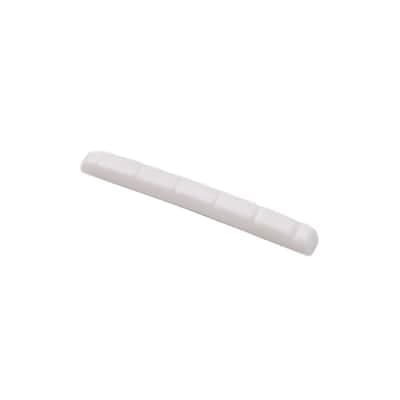
NEW Fender Stratocaster/Telecaster Slotted Nut - Melamine
View on ReverbmintGreat Deal
Price Too Low
No Location
$11
+ $5 shipping
14h ago
Affiliate Disclosure: As an eBay Partner Network Affiliate, we earn from qualifying purchases. Treblemakers may also earn commissions from Reverb and other marketplace links. This doesn't affect the price you pay. Learn more
The Fender Stratocaster and Gibson Les Paul are the two most iconic electric guitars ever made. They sound fundamentally different, feel different in your hands, and suit different styles. Here's a direct, honest comparison — no brand loyalty required.
| Fender Stratocaster | Gibson Les Paul | |
|---|---|---|
| Body wood (typical) | Alder or ash | Mahogany + maple cap |
| Scale length | 25.5" (Fender long scale) | 24.75" (Gibson short scale) |
| Neck joint | Bolt-on | Set neck (glued) |
| Pickups | Three single-coils (SSS) or HSS | Two humbuckers |
| Tone character | Bright, glassy, articulate | Warm, thick, sustaining |
| Weight | ~7–8 lbs (lighter) | ~9–11 lbs (heavier) |
| Bridge | Synchronized tremolo (whammy bar) | Tune-o-matic (fixed) |
| Tremolo | Yes — vibrato arm included | No — fixed pitch only |
| Frets (modern) | 22 (21 on some models) | 22 standard |
| Best styles | Blues, country, funk, pop, SRV/Hendrix rock | Rock, hard rock, jazz, Slash/Page/Duane tones |
| Used price (Player/Studio) | $350–$650 (Player MIM) | $800–$1,200 (Studio) |
| Used price (Am. Pro / Standard) | $1,200–$2,000 | $2,000–$3,500 |
The Fender Stratocaster wins for beginners on price and comfort: a Player Series Strat (Made in Mexico) runs $350–$500 used, while the cheapest genuine Gibson Les Paul (Studio) costs $800+ used. The Strat is also lighter, which matters for younger or smaller players. If budget is not a concern, both are excellent — choose based on the music you want to play. Rock and hard rock beginners who grew up listening to Guns N' Roses, Led Zeppelin, or AC/DC will be happiest on a Les Paul. Blues, Hendrix, SRV, or country players should start on a Strat.
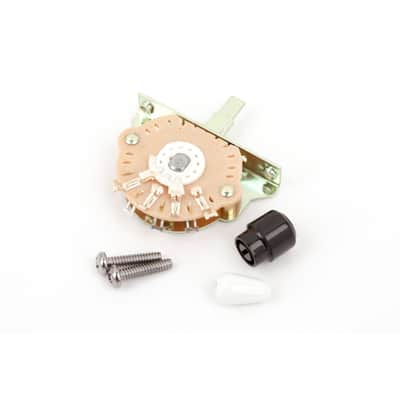
The Stratocaster has a bright, glassy tone with significant "quack" in the in-between positions (positions 2 and 4 on the 5-way switch). It has naturally lower output, which responds dynamically to pick attack. The Les Paul is warm, thick, and powerful — high-output humbuckers mean it drives amplifiers harder and sustains longer. Think of it this way: the Strat slices through a mix with clarity and articulation; the Les Paul fills the room with midrange warmth and power. Neither is objectively better — they are tools for different jobs.
Both are legitimate blues instruments, but they produce different blues sounds. Stevie Ray Vaughan and Buddy Guy defined modern Texas blues on the Strat: snappy, articulate, stinging leads with a vibrato arm for that singing vibrato. Peter Green, Gary Moore, and Duane Allman defined British and Southern blues on the Les Paul: massive sustain, warm, singing tones, and raw power. If you want SRV-style Texas blues: Strat. If you want Allman Brothers or slow-hand Clapton blues: Les Paul. If you want to do both: Strat (it's more versatile across the full range).
At equivalent quality tiers, the Les Paul costs more for two reasons: (1) Gibson uses a glued-in ("set") neck which requires more skilled labor than Fender's bolted neck joint; (2) the Les Paul's maple top + mahogany body construction is more material-intensive than the Strat's single-piece alder or ash body. A Mexican-made Fender Player Strat runs $700–$800 new ($350–$500 used). The cheapest new American Gibson is the Les Paul Studio at $1,499–$1,999 ($800–$1,200 used). The quality gap is real but the price gap reflects production costs and premium brand positioning.
The Gibson Les Paul's 24.75" scale length means the strings are shorter and therefore less tight at the same tuning. This creates a slightly lower string tension — bends require less finger pressure, which many rock players prefer. The Fender Strat's 25.5" scale means higher string tension at the same pitch — the strings feel stiffer, sustain is different, and the tone is brighter. In practical terms: if you bend strings frequently and find standard tension too stiff, try a Les Paul. If you want maximum brightness and articulation, the Strat's longer scale helps.