#1
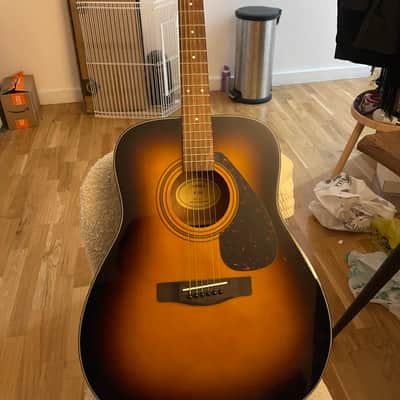
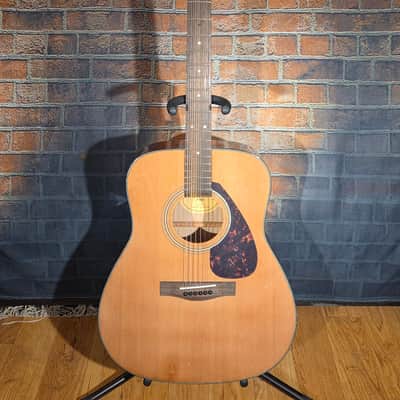
Yamaha FG800
Best all-around beginner · Dreadnought · solid spruce top$130–$180 usedBest for: Beginners who want the best sound for the budget
The Yamaha FG800 is the most recommended beginner acoustic guitar for one reason: it sounds significantly better than similarly priced alternatives. The solid spruce top (not laminated) is the key difference — solid-top guitars have better tone and improve with age, while laminated tops don't resonate as well. The FG800 has the same dreadnought body shape as the Martin D-28, a decent bone-compensated nut, and Yamaha's manufacturing precision at entry-level prices. Players who start on a FG800 and later play high-end guitars are often surprised how good the Yamaha sounds. Used FG800s are plentiful because they're a popular gift item; expect cosmetic wear but sound that hasn't changed.
What to check used: Check neck relief by sighting down from the headstock — there should be a slight upward bow in the middle but not excessive. Tap the top with your knuckle while fretting the lowest string — a solid, resonant tap indicates a healthy top. Check that the saddle isn't cracked.
#2
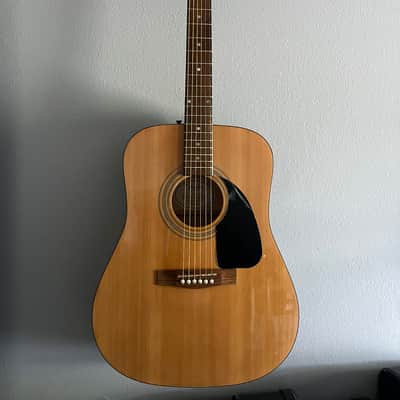
Fender CD-60S
Brand-name pick · Dreadnought · solid spruce top$120–$170 usedBest for: Brand-name buyers, Fender fans, solid tone at low price
The Fender CD-60S directly competes with the Yamaha FG800. Both have solid spruce tops, mahogany back and sides, and full dreadnought bodies. The CD-60S has a slightly rounder, more mid-focused sound character than the FG800's brighter response. The CD-60S All-Mahogany version offers a distinctly warmer, darker tone similar to the Martin D-15M aesthetic — worth considering for folk or blues.
What to check used: Inspect the binding carefully — the CD-60S sometimes shows glue seam separation at the binding on used examples stored in low humidity. Verify the nut isn't cracked.
#3
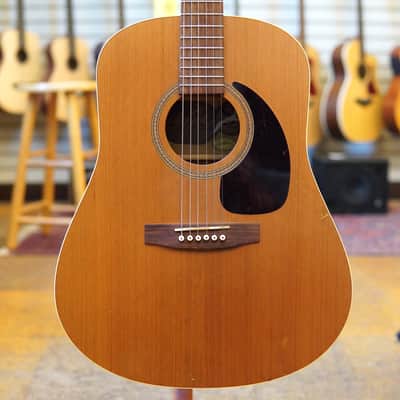
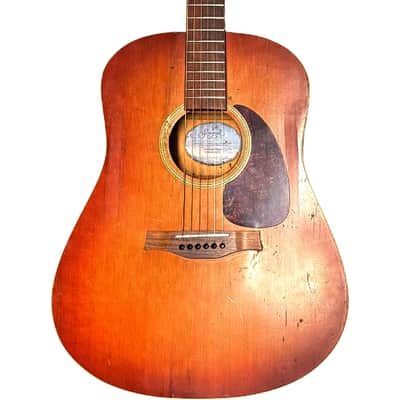
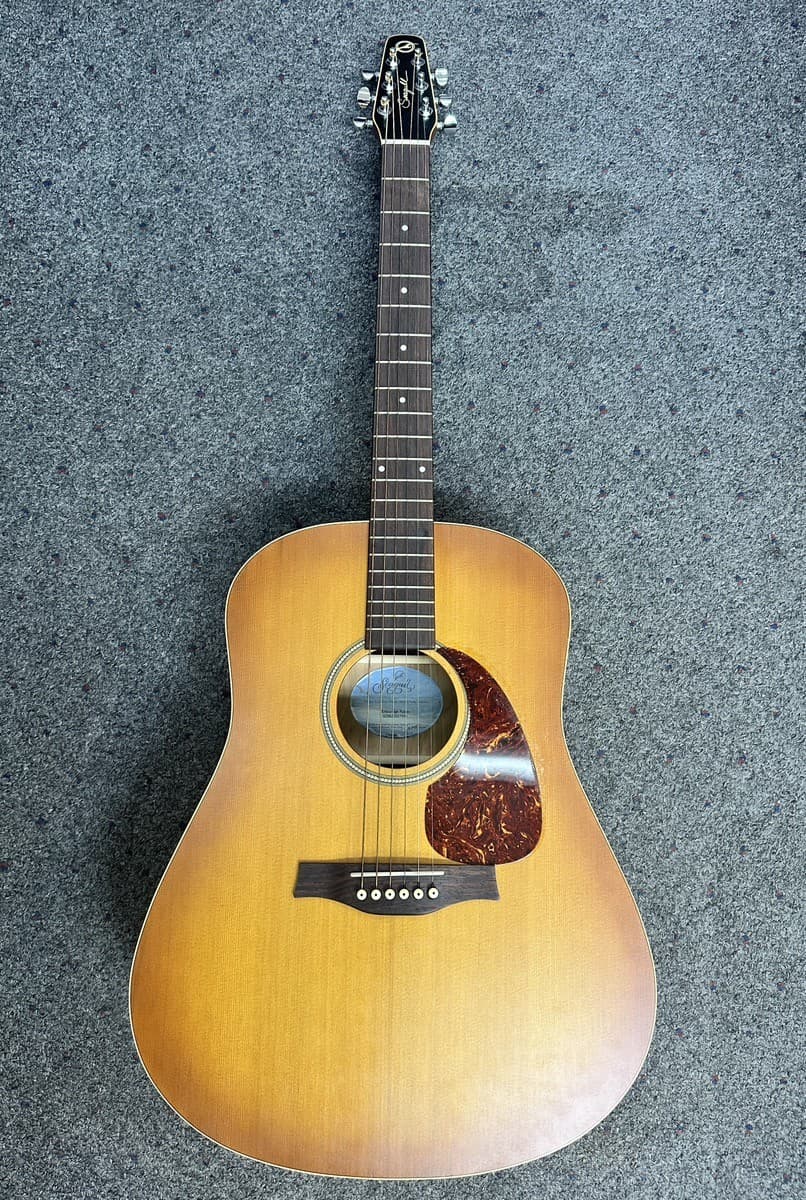
Seagull S6 Original
Best fingerpicking · Dreadnought · solid cedar top · Canadian-made$200–$280 usedBest for: Beginners who want to buy once and keep the guitar for years
The Seagull S6 is the sleeper pick for beginners with a slightly larger budget. Made in La Patrie, Quebec, Canada (genuine Canadian manufacturing at this price is rare), the S6 has a solid cedar top, solid mahogany back and sides, and a 1.8-inch nut width — the widest in this price range, making it preferred for fingerpicking and players with wider fingers. Cedar top produces a warmer, more responsive sound immediately (spruce opens up more with playing time). Used S6s retain value well because they're quality instruments.
What to check used: Cedar tops can be dented more easily than spruce — inspect the top carefully for any soft-point dents. The S6 has a wider nut than most acoustics — if you have smaller hands, try before you buy.
#4
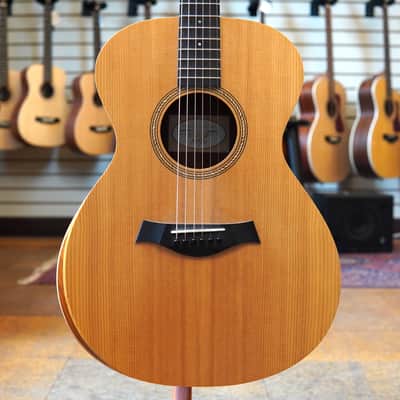
Taylor Academy 10
Best for smaller players · Grand Concert · solid spruce top · layered maple$250–$350 usedBest for: Young players, smaller adults, fingerpicking-focused beginners
The Taylor Academy series is designed specifically for beginners with genuine design decisions: a slightly narrowed nut width for easier chord formation, a specifically voiced truss rod for easier setup, and Taylor's NT bolt-on neck for long-term playability. The smaller Grand Concert body suits younger players or adults with smaller frames. It sounds like a Taylor (bright, articulate, balanced) at a fraction of the price.
What to check used: The Academy 10's back and sides are layered maple (not solid) — this is a cost-saving measure, not a defect. The solid spruce top carries the sound. Verify the NT neck joint is tight (no gap when pressing on the neck joint area).
#5
Martin LX1 / LX1E (Little Martin)
Best for kids / travel · 3/4 size · HPL construction$120–$170 usedBest for: Kids (ages 6–10), travel, or adults who want the Martin name at low price
The Martin LX1 is a 3/4 size acoustic guitar designed for smaller players. Made with HPL (high-pressure laminate wood fiber) rather than solid tonewoods, it carries the Martin headstock and branding. Ed Sheeran famously uses a Martin LX1E in live performances. It sounds decent for its size. Not the first choice for a full-size beginner, but for a child aged 6-10 or a player needing a compact travel guitar, the LX1 is a reasonable choice.
What to check used: The HPL construction means the LX1 doesn't sound like a traditional acoustic guitar — it's more plasticky and less resonant. Adult beginners who want genuine acoustic tone should choose the FG800, CD-60S, or Seagull S6 instead.
#6
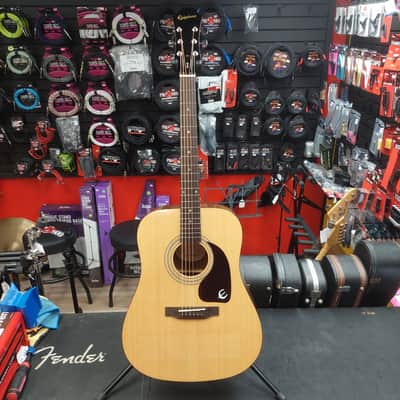
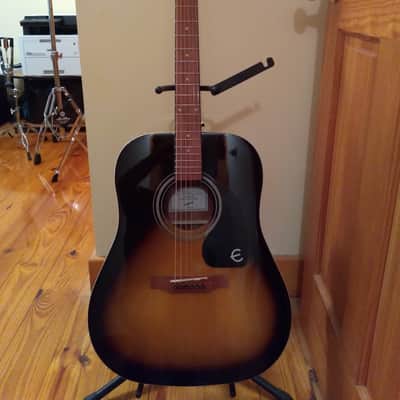
Epiphone DR-100
Absolute minimum budget · Dreadnought · laminate spruce top$75–$120 usedBest for: Absolute minimum budget, learning basic chords
The Epiphone DR-100 is the most affordable playable acoustic guitar from a name brand. Laminated spruce top, mahogany body, rosewood fingerboard. It won't inspire you and it won't age well — but at $75–$120 used, it works: it stays in tune, the action is manageable, and it teaches the muscle memory and calluses that all acoustic guitar playing requires. Epiphone's quality control has a floor that no-name brands lack.
What to check used: The DR-100 uses a laminated top — it will never sound as good as a solid-top guitar. Expect the finish to check (develop small cracks) in low humidity. A professional setup ($50–$80) dramatically improves playability.
#7
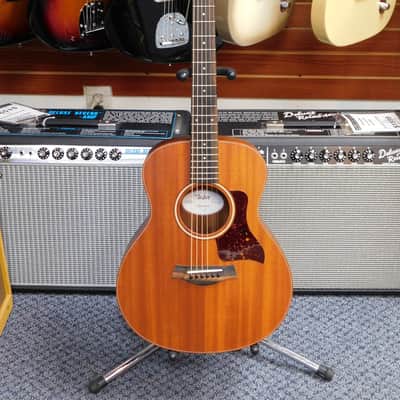
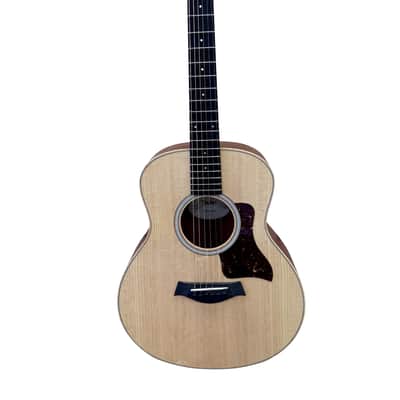
Taylor GS Mini
Best compact adult guitar · 3/4 body · solid spruce or mahogany top$250–$350 usedBest for: Adults who want a quality compact acoustic for travel and home
The Taylor GS Mini is a professional quality instrument in a compact body. It has a solid spruce or mahogany top, Taylor's bolt-on NT neck, and full Taylor playability in a 22.75" scale length body. It sounds significantly better than the Martin LX1 because it uses real tonewoods. Many adult players buy a GS Mini as their primary guitar and never upgrade — it's that good for its size.
What to check used: The GS Mini sounds noticeably less full than a full-size dreadnought — the compact body simply moves less air. If you want maximum acoustic volume and bass response, buy a full-size guitar instead. The GS Mini is for players who specifically want compact size.
#8
Fender FA-115 Starter Pack
Best complete starter kit · Dreadnought · laminate top · accessories included$60–$100 usedBest for: Complete beginners who need everything in one box
The Fender FA-115 starter pack includes the guitar, a padded gig bag, an electronic tuner, picks, a strap, and a lesson book. If you know nothing about guitars and want to start without any additional purchasing decisions, the starter pack format removes all friction. Once you know you want to keep playing, the guitar is a good candidate to trade in toward an FG800 or Seagull S6.
What to check used: Starter packs exist to make the first purchase frictionless — not to provide the best possible guitar at the price. The FA-115 is a laminate-top guitar with adequate playability. Don't pay starter pack prices for the guitar alone; buy the guitar only if the accessories are included.