NEW
Reverb
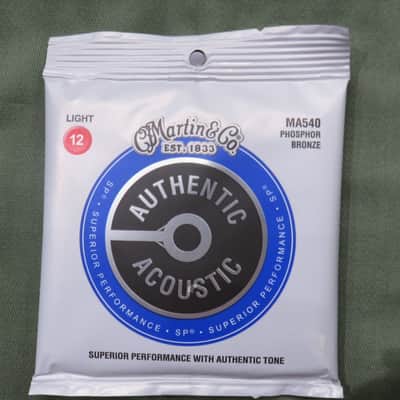
Martin MA540 Authentic Acoustic SP Phosphor Bronze Acoustic Guitar Strings - Light (.012 - .054)
View on ReverbmintGreat Deal
Price Too Low
No Location
$8
1mo ago
Affiliate Disclosure: As an eBay Partner Network Affiliate, we earn from qualifying purchases. Treblemakers may also earn commissions from Reverb and other marketplace links. This doesn't affect the price you pay. Learn more
The most common guitar question for beginners. Here's an honest comparison — cost, playability, tone, and which one actually makes more sense for your situation.
| Feature | Acoustic | Electric |
|---|---|---|
| Amplification needed? | No — plays unplugged (acoustic-electric adds pickup) | Yes — requires amp + cable (minimum $100–$200 total setup cost) |
| String gauge (typical) | .012–.053 (heavier, harder to press) | .009–.042 or .010–.046 (lighter, easier to press) |
| Action height | Higher action typical (harder on fingers) | Lower action typical (easier on fingers) |
| Neck width (nut) | 1 3/4" typical (wider) | 1 5/8" to 1 11/16" (narrower) |
| Body size | Larger (dreadnought = 15"–16" wide) | Smaller (Strat = ~12.5" wide) |
| Weight | 5–7 lbs (most dreadnoughts) | 6–9 lbs + amp weight |
| Setup cost (starter) | $200–$350 for guitar (no amp needed) | $300–$500 for guitar + amp combo |
| Volume control | Fixed (play louder by strumming harder) | Full control via amp volume and tone |
| Tone variety | Limited to acoustic sound (bright/warm depends on wood) | Enormous — clean to distortion, via amp and effects |
| Best music styles | Folk, singer-songwriter, country, classical, fingerpicking | Rock, blues, jazz, metal, country (electric), pop |
| Portability | High — play anywhere, no power needed | Lower — requires amp, cable, power source for full sound |
| Maintenance | Humidity-sensitive (needs humidifier in dry climates) | Less humidity-sensitive, but more parts to maintain |

Start with whichever type of guitar matches the music you want to play. If you love folk, singer-songwriter, or country: acoustic. If you love rock, blues, metal, or modern pop: electric. The old advice "start on acoustic to build finger strength" is not backed by evidence and may cause you to quit before you make progress. Play what excites you — that's what keeps you practicing.
In terms of the technical barrier to making sound: yes, acoustic is slightly harder. The heavier strings and higher action require more finger pressure, which is painful for beginners. Electric guitars are easier to physically play — lighter strings, lower action, narrower necks. But "harder" doesn't mean you should start on electric — the challenge of acoustic motivates many players. The guitar type matters less than practicing consistently.
Acoustic is cheaper for the guitar alone. A good starter acoustic (Yamaha FG800, Fender CD-60S) costs $200–$280 new and requires no other equipment. A starter electric setup (guitar + amp + cable) costs $300–$450 minimum. However, used electric setups can be found for $200–$300 (guitar + small practice amp), closing the gap significantly.
Yes, completely. Guitar technique (chord shapes, scales, timing, picking, strumming) transfers between acoustic and electric with no relearning. The main adjustment when switching is the string gauge and action — electric is easier after acoustic. The reverse is also true — electric players can pick up acoustic, though the heavier strings require a brief adjustment period.
Acoustic produces sound by vibrating strings against the hollow body — the wood and body size directly color the sound. The result is natural, warm, and limited to the acoustic tone (brighter with spruce tops, warmer with cedar). Electric produces a weak electrical signal from pickups, which is amplified and shaped by the amplifier. The amplifier is part of the instrument — the guitar and amp together produce the sound. An electric guitar through a clean amp sounds very different from the same guitar through a distorted amp.