#1
Squier Bullet Stratocaster
Entry · Electric$80–$150 usedBest for: Absolute beginners — first guitar on a tight budget
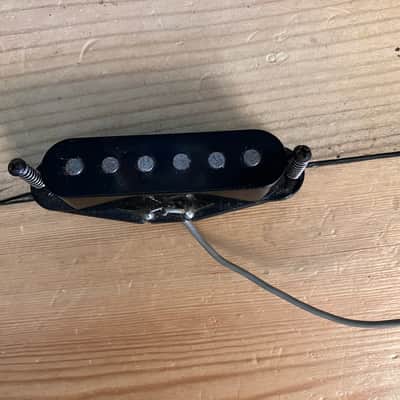
Squier's Bullet Stratocaster is Fender's genuine entry-level guitar — made in the same factories as higher-end Squiers, with the same scale length and playability fundamentals as a $1,500 American Strat. The body is solid (not laminate), the neck is proper maple or maple/rosewood, and the three single-coil pickups actually produce a real Strat tone. Used, the Bullet Strat is the best-value first electric guitar you can buy.
What to check used: The Bullet series uses cheaper tuners and bridge hardware that may need replacement after a year of heavy use. Setup from the factory is inconsistent — buy used from a source that includes a setup, or budget $40–$60 for a professional setup.
#2
Yamaha Pacifica 112V
Best value · Electric$150–$250 usedBest for: Serious beginners who want a guitar they won't outgrow
The Pacifica 112V is consistently rated as the best beginner guitar regardless of price. Yamaha's quality control at this tier is exceptional — better intonation, better tuners, better pickups, and better fretwork than any comparably priced Squier or Epiphone. The HSS configuration (humbucker in the bridge, single coils in middle and neck) covers rock, blues, clean, and everything in between. Intermediate players still gig on these. Buy used: the Pacifica 112V used at $150–$200 is one of the best gear values in music.
What to check used: Pickups are decent but not great — most players swap the bridge humbucker within 2–3 years. That's a feature, not a bug: the Pacifica is easy to modify and holds its value well at resale.
#3
Epiphone Les Paul Standard 50s
Best value / Les Paul · Electric$200–$350 usedBest for: Beginners who want Les Paul tone (rock, blues, hard rock)
Epiphone is Gibson's licensed budget subsidiary. The Les Paul Standard 50s is an Epiphone that actually sounds like a Les Paul — humbuckers voiced to the original PAF spec, mahogany body with maple top veneer, set neck (not bolt-on, like the real thing). The 2019+ re-launch significantly improved quality. Used at $200–$350, you're getting a guitar that can play at the same venue as guitars worth 5× the price. Strong recommendation for anyone drawn to classic rock, blues-rock, or hard rock.
What to check used: Heavy (8–9 lbs). The Les Paul shape is comfortable seated but front-heavy when standing — a wide leather strap is essential. Not ideal for small hands or young beginners who haven't built hand strength.
#4
Squier Classic Vibe Stratocaster
Step up · Electric$250–$400 usedBest for: Players who tried a cheaper guitar and are ready for something serious
The Classic Vibe series is the point where Squier crosses from 'budget' to 'genuinely good.' Alnico V pickups, better hardware, better fretwork, vintage-inspired appointments — everything tighter than the Bullet series. Professional players gig Classic Vibes. Multiple recording artists use them as backup guitars or for specific tones. At $250–$350 used, this is better than most $600 new guitars from other brands.
What to check used: Classic Vibe Strats don't have the same HSS pickup option as the Yamaha Pacifica — if you want humbucker versatility, look at the Classic Vibe Stratocaster HSS variant specifically.
#5
Fender Player Stratocaster (MIM)
Serious beginner / intermediate · Electric$350–$500 usedBest for: Players who want Made-in-Mexico Fender quality without American prices
The Player Series Stratocaster is made in Fender's Ensenada, Mexico factory and represents a genuine Fender instrument — not a Squier. Everything is better than Squier: fret ends, tuning stability, pickup output, body resonance. At $350–$500 used, you're getting a guitar that many professionals use as their main instrument. Player Series Strats are the most common used guitar on Reverb for good reason: there are millions of them, they hold value, and they're consistently excellent.
What to check used: The Player Series uses a 9.5-inch radius fretboard vs the vintage 7.25-inch radius. Some players prefer the vintage radius for chord work; the modern radius is better for bending. Not a negative — just a preference factor.
#6
Yamaha FG800
Best acoustic under $200 · Acoustic$100–$180 usedBest for: Beginners who want acoustic guitar — folk, country, singer-songwriter
Yamaha's FG series has been the standard-setter for affordable acoustic guitars since the 1960s. The FG800 uses solid Sitka spruce top (not laminate — this matters for tone and longevity) with laminate back and sides. Spruce top means the guitar improves with age. Action is reasonable from the factory. For a beginner acoustic guitar, the FG800 used at $100–$150 is better than anything else at this price — the solid top separates it from all-laminate competition.
What to check used: Action on used Yamaha acoustics is often high from previous owner neglect. A $40 nut and saddle adjustment transforms the playability. Always inspect the nut and saddle on any used acoustic.
#7
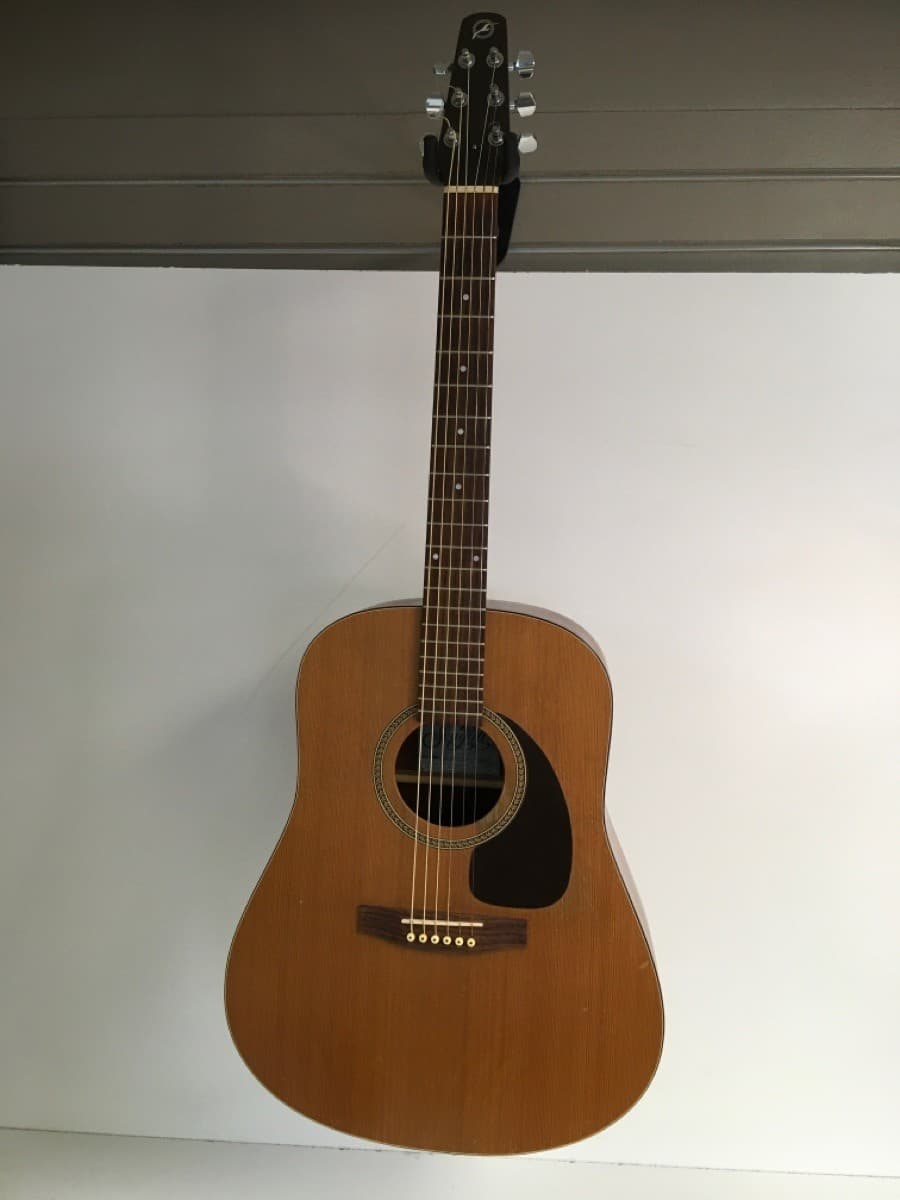
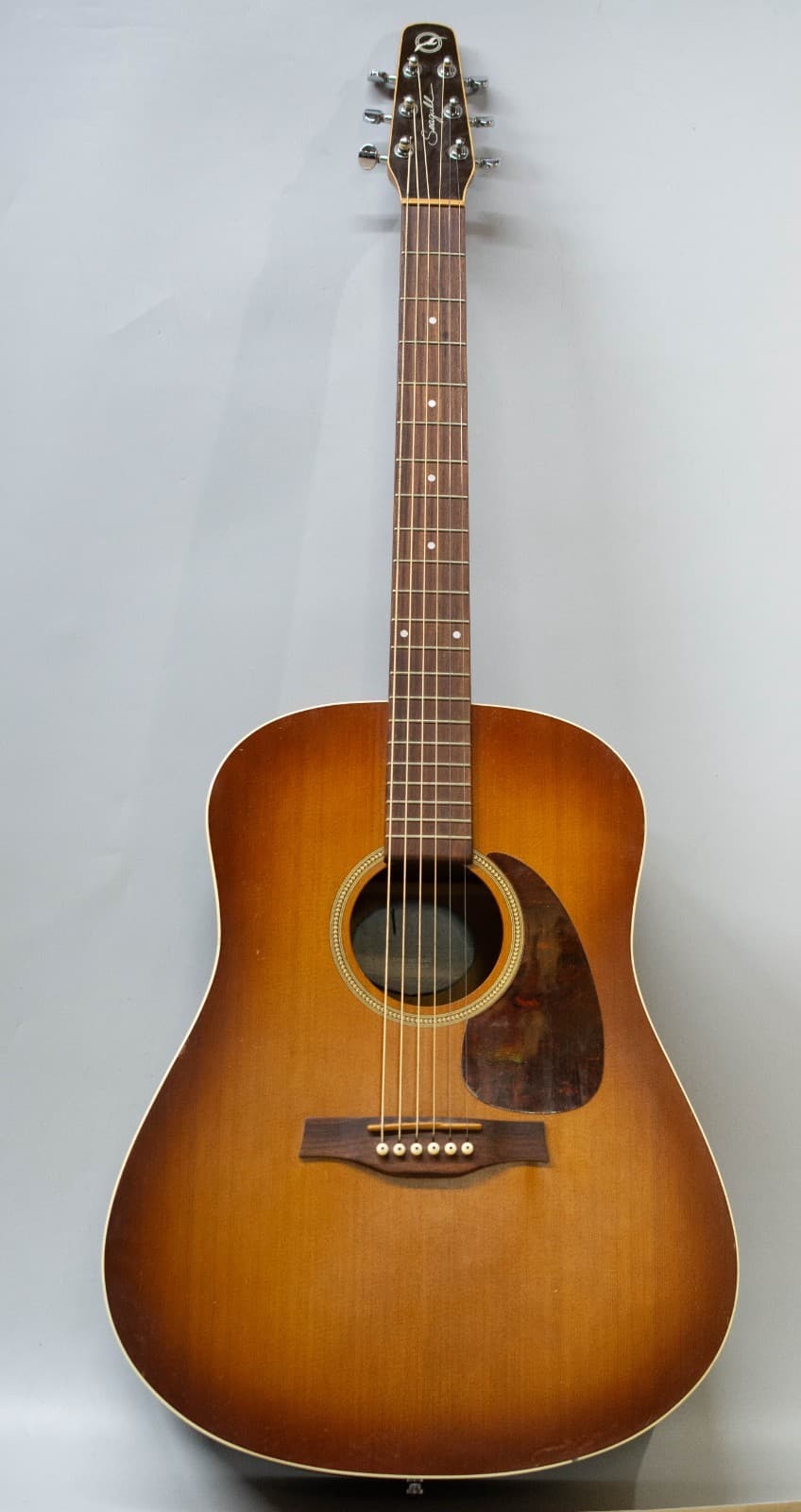
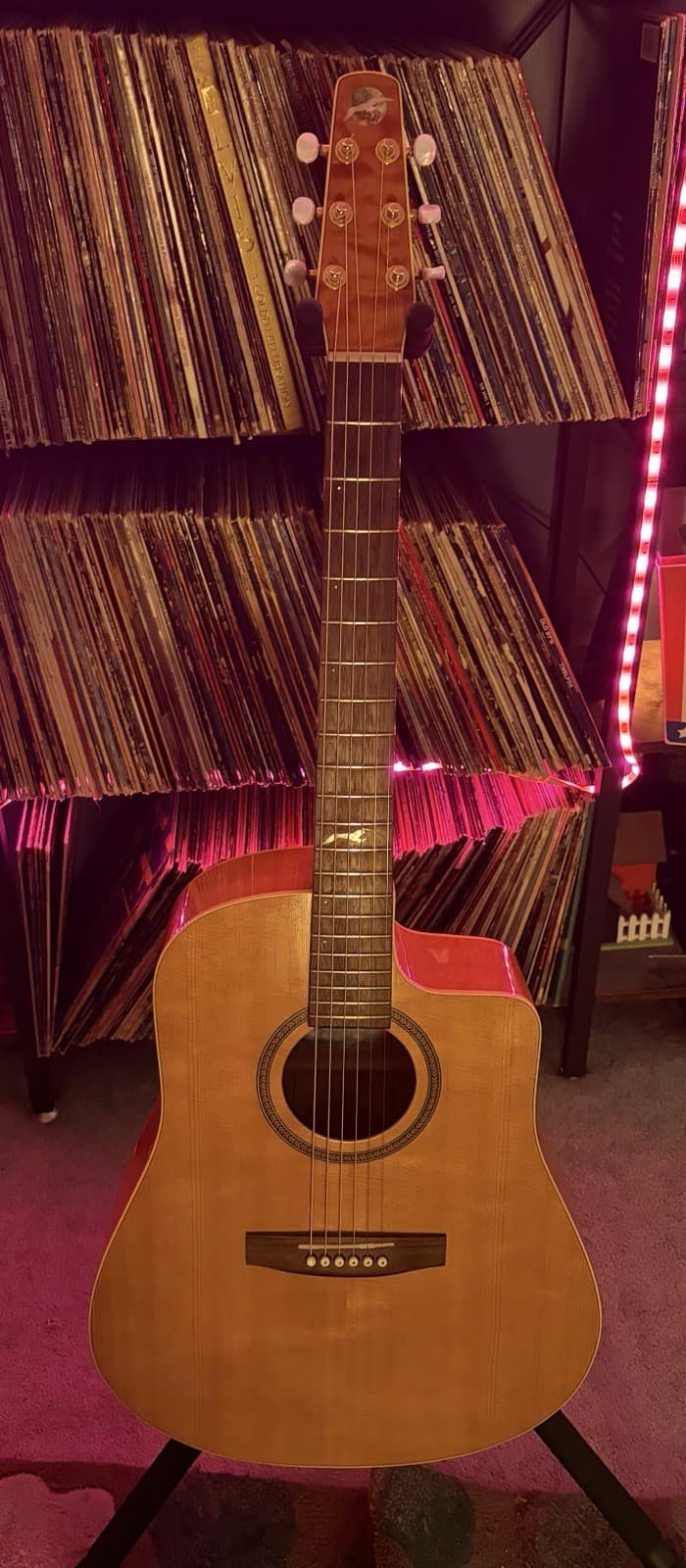
Seagull S6 Original
Step up acoustic · Acoustic$200–$350 usedBest for: Serious acoustic beginners who won't need to upgrade for years
Seagull makes guitars in Canada and the S6 is their flagship entry-level model. Solid cedar top (warmer than spruce — great for fingerpicking and vocal accompaniment), silver leaf maple back and sides, wider nut width (1 7/8") that's better for fingerstyle. Seagull's craftsmanship at this price point is extraordinary — better than anything from Asia at twice the price. The S6 used at $200–$300 is a guitar that will last 20 years with basic care.
What to check used: Cedar top is more delicate than spruce — avoid aggressive strumming for the first year while the top settles. Cedar also responds differently to climate changes; a simple guitar humidifier ($15) extends the life significantly.
#8
Epiphone DR-100
Budget acoustic · Acoustic$80–$140 usedBest for: Entry acoustic on a very tight budget — not a lifelong guitar
The Epiphone DR-100 is the pragmatic choice when budget is truly constrained. All-laminate construction (dreadnought body) with decent intonation from the factory. It won't improve with age the way a solid-top guitar does, but it's playable, produces recognizable acoustic guitar tone, and won't break with normal use. For children starting out, gift purchases, or anyone unsure if they'll continue, the DR-100 at $80–$120 used is a reasonable buy-and-see option.
What to check used: This is a starter instrument, not an upgrade target. If you stick with guitar past 6–12 months, you will want to replace the DR-100. Buy it knowing that — don't buy it expecting to use it for years.