#1
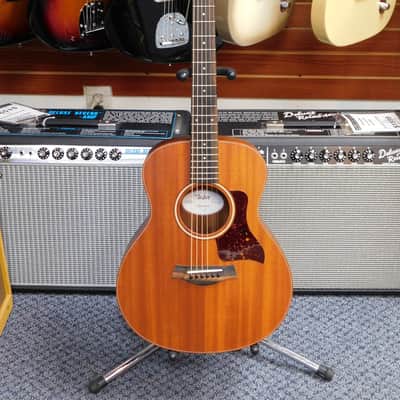
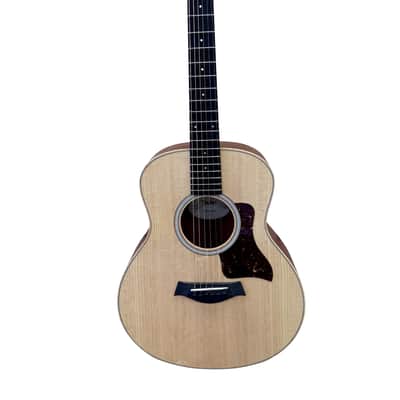
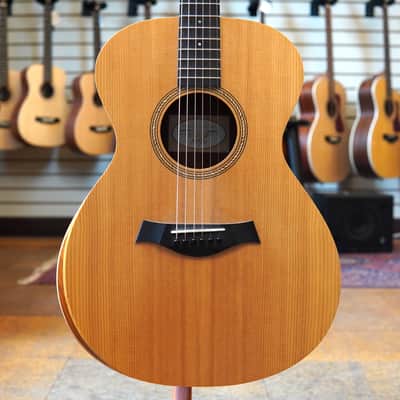
Taylor 254ce 12-String
Premium 12-string acoustic-electric (lush chorus tone) · Sitka spruce top, sapele back/sides, Taylor Expression System 2, Grand Auditorium body, 25.2-inch scale, Venetian cutaway$700–$950 usedBest for: 12-string gigging musicians, rich chorus tone for recording, built-in pickup for stage performance, responsive 12-string character
The Taylor 254ce is the premium 12-string acoustic-electric — the Grand Auditorium body contains the 12-string resonance beautifully, and the Expression System 2 pickup captures the rich chorus character. The Venetian cutaway allows upper-fret access for 12-string soloing. At $700–$950 used, the 254ce is the professional 12-string choice.
What to check used: Taylor 254ce uses layered sapele back and sides rather than solid tonewoods — the tone is rich but lacks deep resonance of all-solid construction. For pure acoustic quality, consider Guild F-212 (used at $600–$820).
#2
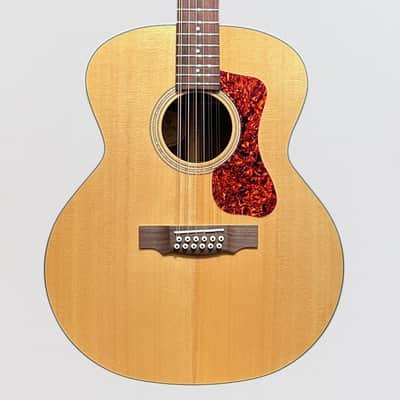
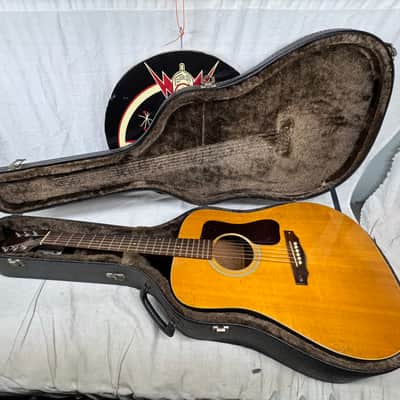
Guild F-212 12-String
American-made 12-string (warm all-solid character) · Sitka spruce top, mahogany back/sides, dreadnought body, American heritage quality$600–$820 usedBest for: 12-string players seeking American quality, warm mahogany tone, recording and home studio use
The Guild F-212 represents American 12-string tradition — all-mahogany back and sides produce warm, rich tone particularly suited to 12-string contexts where warmth and chorus combine beautifully. Guild heritage and quality control are respected for 12-string instruments. At $600–$820 used, the F-212 is the American all-solid choice.
What to check used: Guild production has varied across eras — verify year and origin before purchasing. Modern Guild USA production is excellent; some earlier eras had quality variation.
#3
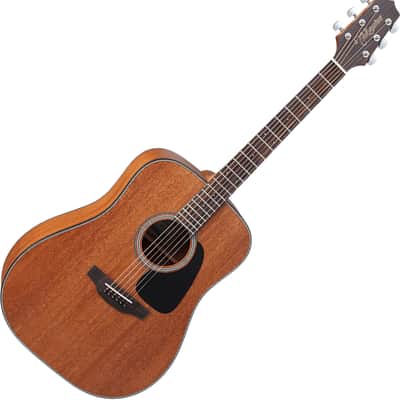
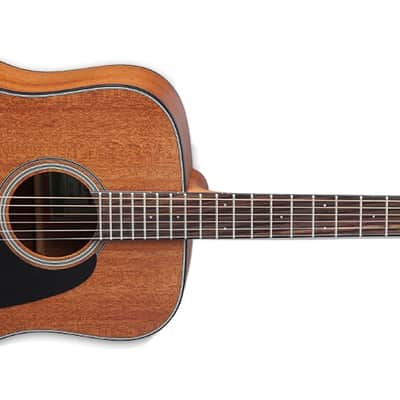
Takamine GD30CE-12
Accessible 12-string acoustic-electric · Solid cedar top, mahogany back/sides, Takamine pickup, single cutaway, dreadnought body$300–$420 usedBest for: Budget 12-string players, cedar top warmth, reliable stage electronics, entry 12-string performance
The Takamine GD30CE-12 offers accessible 12-string with proven electronics at $300–$420 used — solid cedar top and Takamine pickup reliability make this an excellent gigging option. Cedar top provides warmth suited to 12-string chorus. Used at $300–$420.
What to check used: Laminate mahogany back and sides (only top is solid) — the tone is warm but lacks resonance of all-solid construction. Perfect for gigging; limited for serious recording contexts.
#4
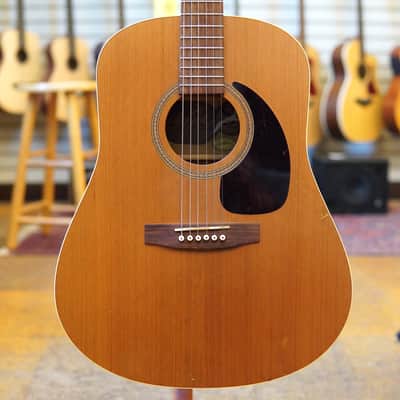
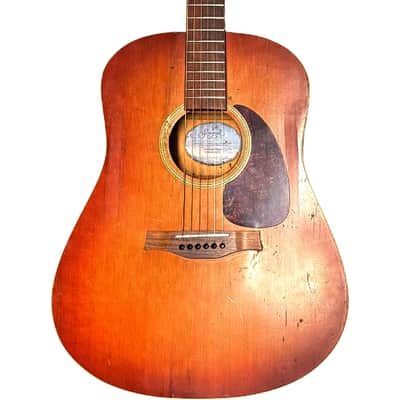
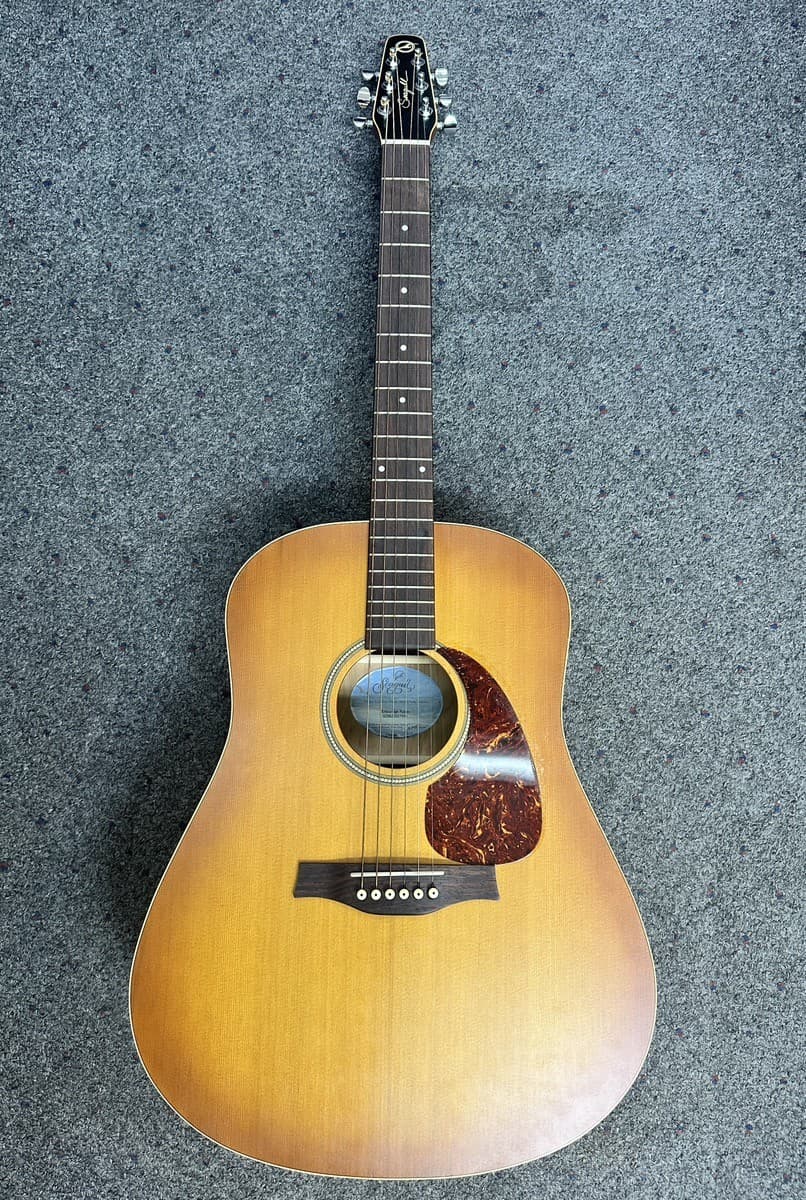
Seagull S12 12-String
Canadian all-solid 12-string (value and quality) · All-solid wild cherry top/back, all-solid mahogany sides, Grand Auditorium 12-string body$450–$620 usedBest for: 12-string players seeking all-solid value, Canadian craft quality, warm cherry-mahogany tone
The Seagull S12 delivers all-solid 12-string value — all-solid cherry and mahogany at $450–$620 used is exceptional for full-bodied 12-string tone. Seagull Canadian quality is respected. Grand Auditorium body balances 12-string projection with clarity. Used at $450–$620.
What to check used: Cherry-mahogany combination is earthier than typical spruce-rosewood — some players prefer brighter 12-string tone. Seagull brand recognition is lower than Taylor or Guild in US market.
#5
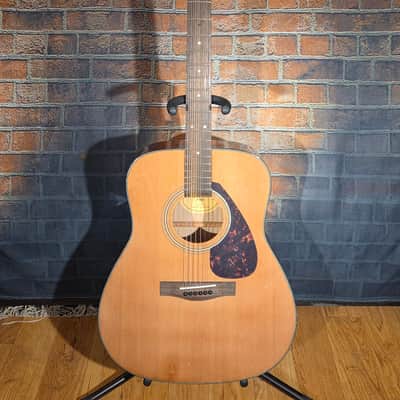
Yamaha LL16-12 12-String
Quality 12-string from Japan (reliable tone) · Sitka spruce top, rosewood back/sides, dreadnought body, 25.6-inch scale$600–$820 usedBest for: 12-string players seeking Japanese quality, bright rosewood tone, recording and performance
The Yamaha LL16-12 offers spruce-rosewood 12-string quality from Yamaha — the combination provides bright, articulate 12-string tone. Yamaha quality control ensures consistent playability. At $600–$820 used, the LL16-12 is the bright-tone 12-string choice.
What to check used: Yamaha 12-strings have higher string tensions than standard 6-strings — requires stronger hands and technique adjustment. Begin with lighter-gauge strings (0.010–0.047) if transitioning from 6-string.
#6
Alvarez RD26-12 12-String
Value 12-string dreadnought (budget option) · Cedar top, mahogany back/sides, dreadnought body, solid construction$250–$360 usedBest for: Budget 12-string players, solid cedar top, warm tone for home studio, entry 12-string
The Alvarez RD26-12 provides solid cedar top 12-string at $250–$360 used — exceptional value for all-solid construction. Cedar top provides warm, complex tone for 12-string recording. Alvarez reputation for value is reliable. Used at $250–$360.
What to check used: Mahogany back and sides (not rosewood) limit brightness — the tone is warm and suited to folk and recording contexts but lacks projection for unamplified ensemble contexts.
#7
Fender CD-60SCE-12 12-String
Entry 12-string acoustic-electric (budget gigging) · Solid spruce top, mahogany back/sides, single cutaway, Fender/Shubb piezo, budget-friendly$250–$350 usedBest for: Budget 12-string gigging players, entry solid spruce top, affordable electronics for amplified 12-string
The Fender CD-60SCE-12 brings 12-string capability to budget gigging players — solid spruce top at $250–$350 used with piezo pickup enables amplified performance. Budget option for players testing 12-string contexts. Used at $250–$350.
What to check used: Entry-level piezo pickup is functional but not sophisticated — acceptable for casual gigging. The single cutaway body is smaller than dreadnoughts, reducing 12-string resonance.