#1
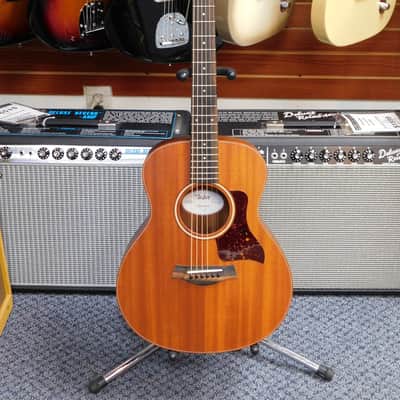
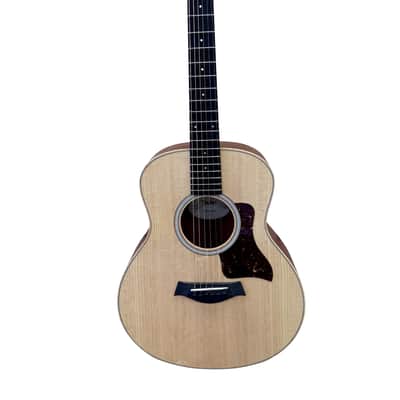
Taylor GS Mini
Mini-dreadnought acoustic · Solid Sitka spruce top, layered sapele back/sides, 23.5" scale$250–$380 usedBest for: Best-sounding compact acoustic, around-the-house practice, camping, short trips
The Taylor GS Mini is the most acclaimed travel acoustic on the market — it sounds substantially better than its size suggests. At 3/4 scale with a 23.5" scale length, it's comfortable for adults but fits in overhead bins and the back seat of a car. The solid spruce top produces real acoustic volume and warmth. Unlike most mini guitars, the GS Mini can genuinely be your home practice instrument and occasional stage acoustic, not just a novelty. Used at $250–$380, it's the most versatile choice.
What to check used: Taylor GS Mini requires GS Mini-specific cases (standard 3/4 cases don't fit the unique body shape). Check the layered sapele back and sides for delamination on older models, though this is rare. The nut width is 1-11/16" which some players find narrow.
#2
Baby Taylor (BT2)
3/4 dreadnought acoustic · Layered sapele top/back/sides, 22-7/8" scale$150–$220 usedBest for: Budget travel acoustic, children's first guitar, very compact carry-on
The Baby Taylor at 3/4 scale with a 22-7/8" scale length is compact enough to genuinely qualify as carry-on luggage on major airlines. Taylor's build quality gives it better playability and tuning stability than generic mini guitars at this price. For a true budget travel instrument that you wouldn't be devastated to lose or damage, the Baby Taylor is the best option. Used at $150–$220, it's affordable enough to leave at a second home or vacation property.
What to check used: The layered (non-solid) top won't resonate as well as the GS Mini's solid top. This is a practice guitar, not a performance guitar. Check the tuners — budget tuners on used Baby Taylors sometimes need replacing. The case sold separately.
#3
Martin LX1 Little Martin
3/4 mini acoustic · HPL (high-pressure laminate) body, Fishman pickup on LX1E$100–$160 usedBest for: Cheapest reliable compact guitar, children, travelers who need very small form factor
Martin's Little Martin uses HPL (laminate) construction rather than wood, which makes it extremely durable for travel — not prone to cracking from humidity changes on aircraft. It's not going to sound like a real acoustic guitar, but it has Martin's reputation for good playability and setup. The LXM (mahogany HPL) and LX1 (spruce HPL) play well for their price. Used at $100–$160, it's the least expensive legitimate travel guitar.
What to check used: HPL construction is durable but acoustically inferior to solid or even standard laminate wood. This is a practice instrument, not a performance instrument. Verify the neck relief is acceptable — HPL instruments can have higher action than wood-body guitars.
#4
Traveler Guitar Ultra-Light
Headless travel guitar · Solid body, 24.75" scale, built-in pickup/amp, 28" total length$200–$300 usedBest for: Electric-style travel practice, hotel room practice, flying musicians, minimalist packing
The Traveler Ultra-Light is the most compact solution for electric-style practice — at 28" total length with the tuners at the body end (headless), it fits in overhead bins and small cases easily. The built-in tiny speaker and headphone output let you practice silently. It's not a performance instrument but as a daily practice companion for a traveling guitarist, it solves the problem completely. Used at $200–$300.
What to check used: The built-in amp/speaker in early models can develop noise issues — test through headphones as well as the speaker. The tuning system on headless instruments takes adjustment to get used to. This is a practice tool, not a studio guitar.
#5
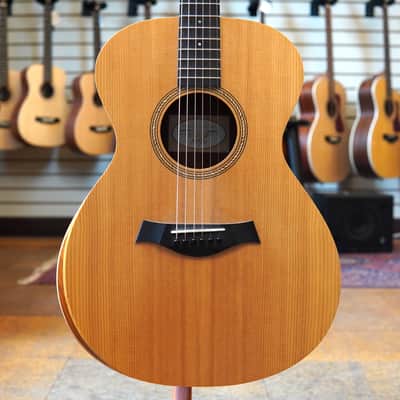
Taylor Academy 10e
Grand Symphony acoustic-electric · Solid spruce top, layered walnut back/sides, ES-B pickup, 24-7/8" scale$420–$560 usedBest for: Compact body with full acoustic quality, stage-ready travel acoustic, gigging in small rooms
The Taylor Academy 10e uses a Grand Symphony body (smaller than dreadnought, larger than mini) with a slightly shorter 24-7/8" scale — making it more comfortable for smaller-handed players and easier to travel with than a full-size dreadnought. The ES-B pickup makes it performance-ready. This isn't a mini guitar — it's a full-quality acoustic in a slightly compact format. For players who want genuine acoustic quality and moderate size reduction, the Academy 10e hits a sweet spot.
What to check used: This is a legitimate acoustic guitar, not a travel novelty. Check it as you would any Taylor — verify the ES-B pickup output, check the bolt-on neck joint, and inspect the solid spruce top. The 'shorter scale' is minimal (1/4" shorter than standard Taylor).
#6
Martin Backpacker Steel-String
Backpacker — thin body acoustic · Spruce top, thin/narrow body, 24" scale$120–$170 usedBest for: True backpacking guitar, hiking trips, maximum portability
The Martin Backpacker is Martin's ultra-portable design with a very narrow, thin body — it fits in a golf bag case or strapped to a backpack. The tone is limited by the tiny resonating chamber but it plays like a real guitar (not a toy), has a real 24" scale, and holds tune well. For backpacking trips, camping, or situations where even a mini guitar is too bulky, the Backpacker is the most portable legitimate guitar you can buy.
What to check used: The Backpacker body resonance is genuinely limited — acoustic volume is quiet, tone is thin. Accept this going in. Check the neck relief — the small body can put unusual stresses on the neck joint. Cases are Backpacker-specific and may need to be purchased separately.
#7
Fender CD-60S (3/4)
3/4 acoustic · Solid spruce top, mahogany back/sides, 22.7" scale$120–$190 usedBest for: Budget compact with solid top, beginners, students, secondary travel guitar
The Fender 3/4 CD-60S gives you a solid spruce top at budget pricing in a compact form factor. The solid top produces noticeably better tone than the HPL Martin or layered-wood Baby Taylor for comparable money. Used at $120–$190, it's the best-sounding budget 3/4 guitar on the market. Fender's reputation for consistent playability applies here — most CD-60S guitars come set up well from the factory.
What to check used: Verify you're buying the 3/4 version specifically. Standard CD-60S is full-size. Check the nut and saddle for proper height — sometimes these ship with high action that makes playing uncomfortable. Confirm the solid spruce top (not laminate CD-60).
#8
Taylor GS Mini Bass
Mini acoustic bass · Layered tropical mahogany top/back/sides, 23.5" scale bass guitar$280–$380 usedBest for: Traveling bass player, practice bass with acoustic projection, compact band setup
The GS Mini Bass is for traveling bass players specifically — it's a compact 4-string bass with 23.5" scale in the GS Mini body shape. The acoustic projection is legitimate for small room and unplugged practice. Taylor includes a pickup in all current models. If you're a bassist who travels and needs to maintain your playing, the GS Mini Bass is the only real option in this category — nothing else comes close for quality.
What to check used: The short scale and large string gauges require specific GS Mini Bass strings — standard bass strings don't fit. Verify the pickup output (ES-B system). Check the nut and bridge saddle for string spacing consistency.