#1
Yamaha P-45
Digital Piano · 88 weighted keys, GHS action$175–$270 usedBest for: Best first piano for most beginners, practical and proven
The Yamaha P-45 is the most recommended beginner piano for the majority of students — 88 weighted keys, reliable Yamaha quality, widely available used at honest prices, and enough features to learn seriously for years. For adult beginners or students with no specific acoustic requirement, the P-45 is the practical starting point. The technique learned on a P-45 transfers directly to acoustic piano.
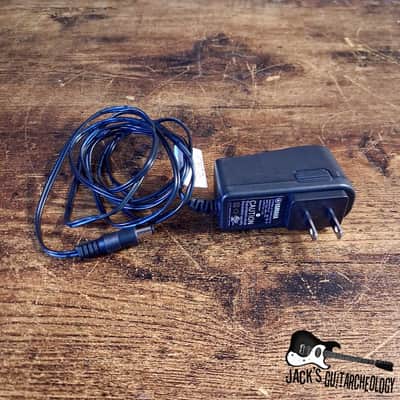
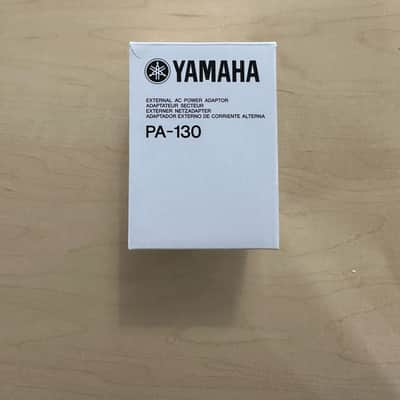
What to check used: Verify all 88 keys respond consistently. Check power supply is present. The P-45 has basic 64-note polyphony — adequate for most beginner repertoire but may cut out during complex sustained-pedal passages.
#2
Roland FP-30X
Digital Piano · 88 weighted keys, PHA-4 Standard action, Bluetooth$300–$420 usedBest for: Best digital piano sound and action under $450 used
The Roland FP-30X produces the most nuanced digital piano sound in the beginner price range — Roland's SuperNATURAL modeling responds dynamically to touch in a way that Yamaha's sample-based approach doesn't fully replicate. The PHA-4 action has better key escapement (the slight give that acoustic piano keys have near the bottom of travel). For students who practice seriously and want a digital piano they won't outgrow quickly, the FP-30X is the right investment.
What to check used: Requires a separate stand — Roland KSC-70 or third-party keyboard stand needed. Check Bluetooth functionality. Inspect all 88 keys for consistent response especially on the upper registers.
#3
Casio CDP-S360
Digital Piano · 88 weighted keys, scaled hammer action$140–$200 usedBest for: Minimum cost for a real 88-key digital piano
The Casio CDP-S360 is the most affordable genuine 88-key digital piano with scaled hammer action. Casio's recent piano lineup has substantially improved — the CDP-S360 is a real musical instrument with authentic piano-weight keys at a price that's hard to argue with. For absolute budget beginners who need 88 weighted keys at minimum cost, the CDP-S360 at $140–$200 used is the entry point.
What to check used: The action feels lighter than Roland or Yamaha premium models. Built-in speakers are basic. Verify key consistency across all 88 keys.
#4
Yamaha Clavinova CLP-635
Digital Upright Piano · 88 keys, GH3X action, furniture-style cabinet$1,200–$1,800 usedBest for: Living room furniture-quality digital piano, closest acoustic feel
The Yamaha Clavinova CLP-635 is a digital piano in an upright furniture cabinet — it looks like an acoustic upright and has a significantly more realistic playing feel than portable digital pianos. The GH3X action with escapement accurately simulates acoustic piano key behavior. For beginners who want a living room instrument that doesn't look like gear, the Clavinova CLP-series is the bridge between digital and acoustic. Used CLP-635s at $1,200–$1,800 represent excellent value for this experience.
What to check used: Clavinovas are heavy (80–100 lbs) and require proper furniture positioning. Verify the action feels consistent (escapement on all keys). Check speakers for any buzzing at volume.
#5
Yamaha U1 Upright Piano
Acoustic Upright Piano · Full acoustic upright, 52" height$2,500–$4,500 usedBest for: Best used acoustic piano for serious students
The Yamaha U1 is the most widely recommended used acoustic upright piano for students — it's been in production for over 50 years, spare parts are universally available, and a well-maintained U1 in good regulation plays with a musical, consistent action that serious students require. Used U1s at $2,500–$4,500 from regulated, tuned sources are among the best long-term piano investments available. A well-maintained U1 lasts 50+ years.
What to check used: Always have an acoustic piano inspected by a registered piano technician before purchase. Key inspection points: pin block condition (can the piano hold tuning?), soundboard cracks, hammer felt condition, action regulation. Budget $100–$200 for a pre-purchase inspection and $100–$150 per year for tuning.
#6
Kawai K-200 Upright Piano
Acoustic Upright Piano · Full acoustic upright, 44" height$2,800–$4,200 usedBest for: Best acoustic action for students, Kawai quality
The Kawai K-200 is the Yamaha U1's most direct competitor — Kawai is Japan's other major acoustic piano manufacturer, and the K-200 is their entry-level professional upright. Kawai is known for exceptionally good key action and tone production. A used K-200 in good condition at $2,800–$4,200 is comparable to the U1 in quality, with some players preferring Kawai's softer, rounder tone character.
What to check used: Same inspection requirements as any acoustic piano. Kawai uses ABS Carbon composite parts in their action — verify these components are undamaged. Have the piano inspected and tuned by a technician before playing.
#7
Roland FP-60X
Digital Piano · 88 keys, PHA-4 Standard, 38W speaker system$450–$600 usedBest for: Best standalone digital piano for home use without amplification
The Roland FP-60X has a substantially better speaker system than the FP-30X — 38W with 4 speakers (vs 22W, 2 speakers) produces room-filling sound without external amplification. For beginners who want a living room instrument that sounds good without a separate sound system, the FP-60X at $450–$600 used is the step up worth making over the FP-30X.
What to check used: Verify Bluetooth audio (not just MIDI) works correctly. Check all 88 keys. Confirm the power supply is present.