#1
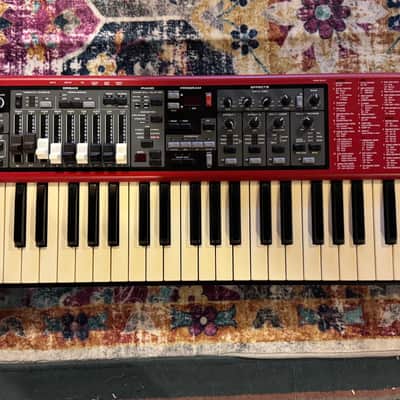
Roland FP-30X
Compact 88-Key Weighted · 88 weighted keys, 315 sounds, Bluetooth MIDI, 10-hour battery, 10 lbs$400–$600 usedBest for: Beginners who want pro-grade portability and Bluetooth pairing
The FP-30X is the gold standard for portable weighted pianos. True hammer action (PHA-4) feels like an acoustic piano, battery power lets you practice anywhere, and Bluetooth MIDI pairs with learning apps like Simply Piano. Used market is active—plenty of inventory.
What to check used: Built-in speakers are weak; use headphones or plug into an amp for best sound.
#2
Yamaha P-45
Entry-Level 88-Key Weighted · 88 GrandTouch wooden keys with synthetic ivory top, 10 voices, CFX and Bösendorfer pianos$200–$350 usedBest for: Budget-conscious absolute beginners who want authentic key action
The P-45 is the most affordable 88-key weighted piano on the used market. Wooden keys with synthetic ivory simulate a real piano action, great for building proper finger technique. Simple interface (no overwhelming menus), lightweight, and extremely durable.
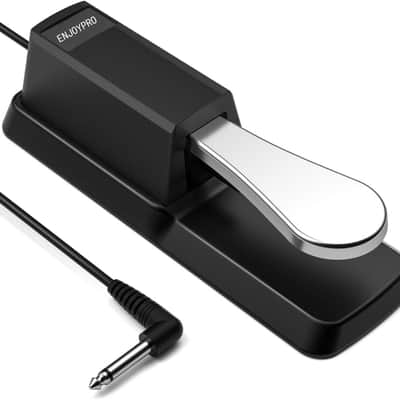
What to check used: No built-in recording or Bluetooth; no sustain pedal included (buy separately).
#3
Casio CDP-S360
Compact & Affordable · 88 touch-sensitive keys (GrandGrand texture), 700 tones, dual headphone jacks, 10 kg$200–$300 usedBest for: Beginners in tight spaces who want low cost and vibrant tones
The CDP-S360 is incredibly compact (47.6" wide) yet has all 88 keys. Touch sensitivity is responsive, sound variety is excellent for exploring styles beyond classical. Great value for intermediate students who want to try different sounds.
What to check used: Touch action is lighter than weighted keys—good for pop/electronic learners, but may not build classical technique as effectively as the Yamaha P-45.
#4
Yamaha P-125A
Mid-Range Weighted with Bluetooth · 88 GrandTouch wooden keys, Bluetooth audio/MIDI, 38 voices, metronome, USB-to-host$300–$450 usedBest for: Serious beginners ready to use learning apps and record themselves
The P-125A adds Bluetooth audio streaming (play backing tracks) and MIDI connectivity (pair with Playground Sessions or Yousician). Wooden keys are authentic, stereo speakers are decent, and USB recording is built-in. This is the sweet spot if you have $400 to spend.
What to check used: Slightly heavier than the FP-30X; less portable if you want to move it frequently.
#5
Roland FP-90X
Professional 88-Key Stage · 88 PHA-50 wooden keys, Bluetooth MIDI, 1,365 sounds, dual USB, XLR outputs$700–$1,100 usedBest for: Beginners who plan to gig or record seriously within 1–2 years
The FP-90X is the best-in-class portable stage piano. PHA-50 action is nearly indistinguishable from a concert grand piano. If you're serious about becoming proficient and want to avoid buying twice, this is the one. Sounds are world-class, MIDI is rock-solid, and it will keep up with you for years.
What to check used: Price is steep for absolute beginners; consider renting first if unsure about commitment.
#6
Casio Privia PX-S3100
Ultra-Portable 88-Key · 88 smart scaled hammer keys, 700 tones, Bluetooth, USB recording, 10.2 kg (22.5 lbs)$280–$420 usedBest for: Beginners who want portability AND modern tech (RGB key lights, learning modes)
The PX-S3100 is Casio's answer to the FP-30X. Hammer action is surprisingly good, and Casio's lesson mode with RGB guide lights helps you see which keys to press—great for self-teaching. Bluetooth is reliable, used prices are fair, and the piano is truly pocketable.
What to check used: Sounds are good but not as refined as Yamaha or Roland; better for learning fundamentals than exploring high-end tone palettes.
#7
Kawai ES120
Portable 88-Key Weighted · 88 Responsive Hammer Compact action, Grand Feel Pedal (4 levels), 38 tones, Bluetooth$300–$500 usedBest for: Beginners who value subtle key-feel dynamics and competitive pricing
Kawai's Responsive Hammer action is excellent—keys don't bottom out, and the Grand Feel pedal has four adjustable levels so you can control sustain depth. Underrated in the used market, which means great deals. Lightweight at 45 lbs, and Bluetooth pairs seamlessly with apps.
What to check used: Less brand recognition than Roland or Yamaha might mean fewer used listings in your area.
#8
Nord Piano 4
Professional Portable Stage · 88 wooden hammer keys, Nord Sound library, Clavia Engine, dual USB, XLR + 1/4" outputs$1,200–$1,800 usedBest for: Advanced beginners or early intermediate students who plan to perform live
Nord Piano 4 is the gig workhorse used by session pianists and touring artists. Wooden keys feel impeccable, sound engine is tweakable down to the smallest detail, and MIDI integration is world-class. If you're serious and will use it for 10+ years, this pays for itself. Used market is active because pros constantly upgrade.
What to check used: Expensive upfront; the curve is steep compared to beginner models. Better as a "grown into" purchase after 6 months on an entry-level piano.