#1
Casio CT-X700
Budget starter · 61 keys · unweighted$80–$130 usedBest for: Children or casual players exploring sounds without commitment
The best entry-point keyboard for children or casual players. Unweighted keys won't build piano technique, but the 600 voices and built-in rhythms make it fun and engaging. Excellent for exploring sounds without commitment.
What to check used: Unweighted keys will not prepare you for playing an acoustic piano or organ. If piano is the eventual goal, buy weighted.
#2
Alesis Recital
Budget beginner · 61 keys · semi-weighted$100–$170 usedBest for: Beginners who want more key resistance than standard synth-action at low cost
The best value semi-weighted beginner keyboard. Semi-weighted keys provide more resistance than standard synth-action keys — better for building piano technique. Built-in lessons. 61 keys is enough for learning the first year or two.
What to check used: Semi-weighted is not the same as fully-weighted piano action. If budget allows, consider the Alesis Recital Pro (88 keys, fully weighted).
#3
Casio CDP-S110
Mid budget · 88 keys · hammer-weighted action$140–$220 usedBest for: Piano learners who need 88 fully weighted keys at the lowest possible price
Casio's most affordable 88-key fully weighted keyboard. Hammer-weighted action means each key has a different weight (heavier in the bass, lighter in the treble) — the closest feel to a real piano in this price range. Essential if piano is your goal.
What to check used: The sound quality is functional rather than excellent at this price. Sound-conscious players should budget for the Yamaha P-45 instead.
#4
Yamaha P-45
Serious beginner · 88 keys · GHS weighted action$200–$350 usedBest for: The most popular beginner digital piano worldwide — versatile and reliable
The most popular beginner digital piano in history for good reason. Graded Hammer Standard action is one of the best weighted actions in the under-$500 range. The grand piano sound is excellent. Simple enough for beginners; good enough for intermediate students.
What to check used: The P-45 has no Bluetooth, no USB audio, and limited connectivity. If you want to connect to an iPad or record via USB directly, budget for the P-S500 or Roland FP-30X.
#5
Roland FP-30X
Serious intermediate · 88 keys · PHA-4 Standard weighted action$400–$600 usedBest for: Committed players who want the best piano action under $700
The best digital piano under $700 for serious players. PHA-4 Standard action includes escapement simulation — a mechanical feature of real grand pianos that affects the feel of rapid repetitions. Bluetooth connectivity, USB audio, 56 voices. A massive step up from Yamaha P-45 in feel and versatility.
What to check used: At $400–$600 used, it's a significant investment for a beginner. Worth it if you're committed to piano for the long term; may be overkill for casual exploration.
#6
Yamaha PSR-E373
Arranger keyboard · 61 keys · unweighted · 622 voices$120–$200 usedBest for: Composers and songwriters who want to explore rather than focus on piano technique
Best for players who want to compose and explore rather than focus on piano technique. Yamaha's arranger keyboards include automatic accompaniment — play a chord with the left hand and the keyboard plays a full band behind you. Great for songwriting, not for building classical piano skills.
What to check used: Auto-accompaniment is a shortcut that can become a crutch. If you want to learn piano, buy a weighted keyboard instead.
#7
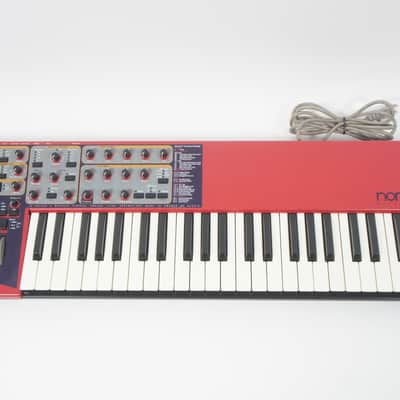
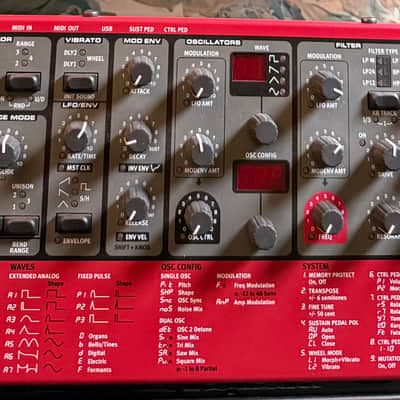
Nord Electro 6D
Premium (working musicians) · 73 keys · semi-weighted · stage sounds$1,200–$1,800 usedBest for: Stage pianists and working keyboardists who need professional sounds
The professional gigging keyboard. Stage pianists, organ players, and working keyboardists use Nord because the sounds are the best in any portable keyboard. Not for beginners — but if you know you're going to play professionally, the Nord holds value better than any keyboard in this guide.
What to check used: Not suitable as a first keyboard — price and complexity are beyond beginner needs. Also: Nord-style semi-weighted is NOT a substitute for piano technique practice.