#1
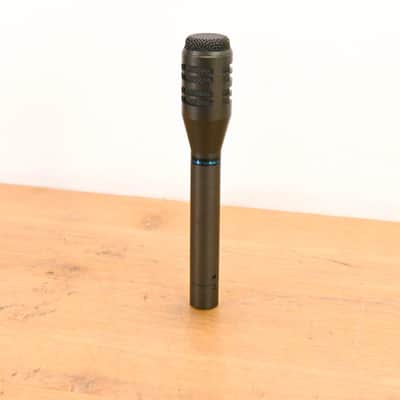
Shure SM7B
Dynamic Microphone · Cardioid, XLR, moving-coil, attenuation pad, tight cardioid pattern$200–$280 usedBest for: Home vocal recording, podcasting, streaming, broadcast quality
The Shure SM7B is the gold standard for vocal recording and podcasting — dynamic (moving-coil) design means it tolerates proximity and room conditions better than condensers, tight cardioid rejection, presence peak for vocal clarity, and built-in attenuation pad (reduces loud sources). Used SM7Bs at $200–$280 are the professional choice because the character is familiar and the mic grows with your skills. Every major podcaster uses an SM7B or similar Shure dynamic.
What to check used: SM7B requires 25–35dB preamp gain (higher than condensers). Best used with a boom arm and close mic technique (2–4 inches). Not suitable for quiet sources (acoustic guitar, room ambience); optimized for loud vocal sources.
#2
Audio-Technica AT4040
Large-Diaphragm Condenser · Cardioid, XLR, 1-inch capsule, low self-noise, presence peak$160–$220 usedBest for: Home studio vocal recording, podcasting, professional streaming
The Audio-Technica AT4040 ($160–$220 used) is the professional step-up from AT2020 — lower self-noise (cleaner recordings), tighter cardioid pattern (better room rejection), and more durable construction. Presence peak makes vocals sit naturally in mixes. Standard in professional home studios and podcasting setups. Less common on the secondhand market than AT2020, but worth the wait.
What to check used: Condenser design means it picks up more room tone than SM7B — best in treated or small spaces. Lower self-noise does not mean zero self-noise; still requires careful gain staging. Phantom power required from audio interface.
#3
Rode NT1
Large-Diaphragm Condenser · Cardioid, XLR, 1-inch capsule, very low self-noise, neutral tone$150–$200 usedBest for: Home recording, podcasting, vocal recording in less-treated rooms
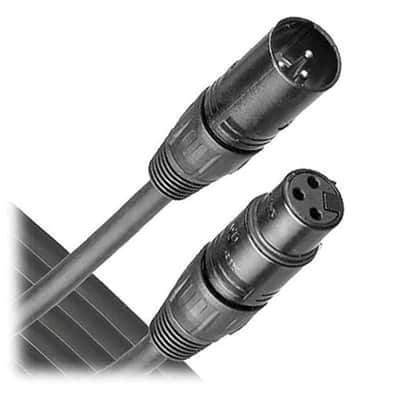
The Rode NT1 ($150–$200 used) is Rode's professional entry-level large-diaphragm condenser with exceptionally low self-noise (one of the lowest). Cardioid pattern is tight, frequency response is neutral (no presence peak), and build quality is excellent. Used NT1s come with shock mount, pop filter, and XLR cable — great bundle value. Best choice if your room is noisy.
What to check used: Neutral frequency response means vocals lack the presence peak of AT4040 or SM58 — requires EQ boost in post-production. Tighter cardioid means off-axis positioning sounds duller. Phantom power required.
#4
Aston Origin
Large-Diaphragm Condenser · Cardioid, XLR, 1-inch capsule, internal shock mount, design-focused$130–$180 usedBest for: Home studio, podcasting, design-conscious setups
The Aston Origin ($130–$180 used) is a British-designed condenser with elegant aesthetics and practical engineering. Cardioid pattern, 1-inch capsule, and internal shock mount reduce vibration without a separate boom arm. Sound is slightly warm with natural presence. Aston mics are built for YouTubers and podcasters who want studio quality with visual appeal.
What to check used: Design-focused means built-in shock mount adds weight — requires sturdy mic stand or boom arm rated for 500+ grams. Warm tone requires careful EQ if your room is already bassy. Phantom power required.
#5
SE Electronics X1 S
Large-Diaphragm Condenser · Cardioid, XLR, 1-inch capsule, multi-pattern switchable, transformer-coupled$100–$150 usedBest for: Vocal recording, home studio, transitional upgrade path
The SE Electronics X1 S ($100–$150 used) is an affordable professional large-diaphragm with switchable polar patterns (cardioid, omnidirectional, figure-8) and transformer-coupled output (warm, musical tone). British voicing is forgiving on vocal takes. Pattern switching gives versatility as your skills grow.
What to check used: Transformer coupling adds noise floor — higher self-noise than AT4040 or Rode. Omnidirectional mode picks up lots of room; stick with cardioid for most uses. Phantom power required.
#6
Warm Audio WA-47jr
Large-Diaphragm Condenser · Cardioid, XLR, 1-inch capsule, transformer-coupled, inspired by Neumann U47$160–$220 usedBest for: Vocal recording, home studio, warm/colored vocal tone
Warm Audio WA-47jr ($160–$220 used) is inspired by the Neumann U47 — transformer-coupled output, warm tone, cardioid pattern. Designed for vocal character and presence. US-made at budget professional price. Used WA-47jr units are rare but sought-after because Warm Audio builds for value.
What to check used: Warmth/color means it is less neutral than AT4040 — adds character that not all vocals need. Transformer adds noise floor; requires quiet room and good gain staging. Phantom power required.
#7
Rode NT1000
Large-Diaphragm Condenser · Cardioid, XLR, 1-inch capsule, presence peak, professional build$150–$200 usedBest for: Professional home studio, vocal recording, broadcast quality
Rode NT1000 ($150–$200 used) is Rode's professional mid-tier large-diaphragm with presence peak, tight cardioid, and rugged construction. Sits between NT1 (neutral) and NT1-A (budget). Sound is balanced with natural vocal presence. Rode consistency means you get reliable performance across their product line.
What to check used: Presence peak means careful gain staging and EQ needed for sibilant vocals. Professional build means higher weight — requires stable stand or boom arm. Phantom power required.