#1
Audio-Technica AT2020
Large-Diaphragm Condenser · Cardioid, XLR, 1-inch capsule, presence peak for vocal clarity$70–$90 usedBest for: Home vocal recording, podcasting, streaming, entry-level studio
The AT2020 is the standard entry-level condenser — cardioid pattern, 1-inch capsule with a slight presence peak (brightens vocals naturally), and XLR connection. Used units at $70–$90 represent the classic budget buy. Presence peak makes vocals cut through mixes even in untreated rooms. Requires audio interface and phantom power, but the sound quality justifies the extra setup.
What to check used: Cardioid pattern picks up some room echo — best in treated or small spaces. Presence peak can make sibilance (harsh 's' sounds) more noticeable if your room is reflective; use a de-esser in post or adjust mic placement.
#2
Shure SM58
Dynamic Microphone · Cardioid, XLR, moving-coil design, presence peak for stage/studio$60–$85 usedBest for: Vocal recording, podcasting, live-to-recorded hybrid use
The Shure SM58 is the workhorse of live and studio vocal recording — dynamic (moving-coil) design, cardioid pattern, presence peak for vocal presence, and legendary durability. Used SM58s at $60–$85 are everywhere because they last decades. Unlike condensers, dynamics handle loud sources and room moisture better. Studio-oriented performers love the SM58 because the character is familiar and forgiving.
What to check used: Dynamic mics require more gain from your audio interface than condensers (typically 25–35dB). Presence peak can emphasize sibilance (harsh 's' sounds) if not carefully handled. Best used with a pop filter and close mic technique (2–4 inches from mouth).
#3
Rode NT1-A
Large-Diaphragm Condenser · Cardioid, XLR, 1-inch capsule, tight cardioid rejection, low self-noise$100–$140 usedBest for: Home recording, podcasting, vocal recording in untreated rooms
The Rode NT1-A is a step up from AT2020 — tighter cardioid pattern (better room rejection), lower self-noise (quieter electronics), and smoother frequency response without the presence peak. Used at $100–$140, it is the best choice if your room is noisy or reverberant. The neutral tone pairs well with any vocal processing in post. Rode bundles it with a shock mount and pop filter, so used kits often include extras.
What to check used: No presence peak means vocals need slight EQ boost in post-production. The tight cardioid pattern means off-axis vocal takes sound duller. Keep the mic aimed at mouth level for consistent tone.
#4
Blue Snowball iCE
USB Condenser · Cardioid, USB 2.0, 1-inch capsule, fixed gain (no dial)$35–$55 usedBest for: First-time streamers, budget podcasting, USB-only setups
The Blue Snowball iCE is the cheapest USB condenser under $100 used (often $35–$55). Plug-and-play into any computer, cardioid pattern, 1-inch condenser capsule for detail. No audio interface needed. Voice-focused tone makes vocals clear even without treatment. Popular for beginners because setup takes 30 seconds.
What to check used: Fixed gain (no dial) means you adjust volume in software after plugging in. Compact internals = less room isolation than larger mics. Best used with room treatment or close mic technique. Not ideal for sources louder than vocal level.
#5
MXL 770
Large-Diaphragm Condenser · Cardioid, XLR, 1-inch capsule, Chinese-made budget condenser$40–$65 usedBest for: Budget home recording, beginner studio, vocal tracking
The MXL 770 is the ultra-budget large-diaphragm condenser ($40–$65 used). Cardioid pattern, 1-inch capsule with warm tone, and acceptable build quality for the price. Entry-level because specs are basic (higher self-noise, basic cardioid pattern), but the sound is usable. Popular in budget home studios and beginner setup videos.
What to check used: Higher self-noise (electrical hum) than AT2020 or Rode — best used with a quiet preamp and careful gain settings. Cardioid pattern is less tight than professional mics — more room pickup. Requires room treatment to sound polished.
#6
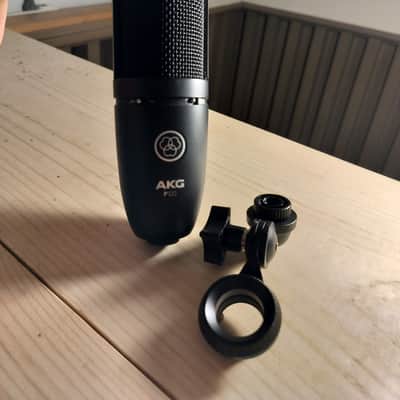
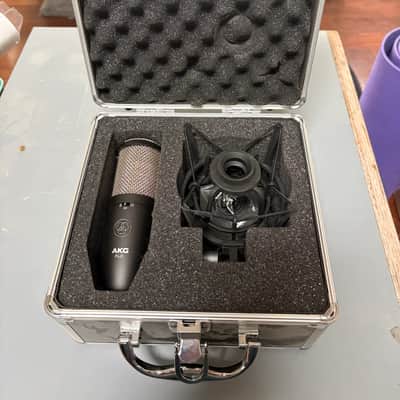
AKG P120
Large-Diaphragm Condenser · Cardioid, XLR, 1-inch capsule, presence peak, budget Austrian quality$60–$85 usedBest for: Vocal recording, home studio, podcasting with presence
The AKG P120 ($60–$85 used) is AKG's entry-level condenser with Austrian build quality. Cardioid pattern, presence peak for vocal clarity, and tighter tolerance than MXL. AKG flavor is known for smooth mids — vocals sound natural. Used P120s are reliable and often bundled with shock mount and accessories.
What to check used: Presence peak requires careful EQ if vocals are sibilant. Cardioid pattern is moderate (not ultra-tight) — room treatment helps. Requires phantom power from audio interface.
#7
Behringer B-1
Large-Diaphragm Condenser · Cardioid, XLR, 1-inch capsule, warm tone, budget-friendly$40–$65 usedBest for: Budget vocal recording, practice setups, learning studio recording
The Behringer B-1 ($40–$65 used) is one of the cheapest large-diaphragm condensers ever made. Warm, forgiving tone; cardioid pattern; and acceptable build. Many recording engineers kept a B-1 as a backup or utility mic. Used B-1s are plentiful because Behringer produced thousands. Good for learning recording without financial risk.
What to check used: Self-noise is higher than professional mics — results in audible hum if not carefully gain-staged. Warmth means it can sound muddy without EQ. Not suitable for detailed vocal doubles or backgrounds; works fine for main vocal takes with processing.