Affiliate Disclosure: As an eBay Partner Network Affiliate, we earn from qualifying purchases. Treblemakers may also earn commissions from Reverb and other marketplace links. This doesn't affect the price you pay. Learn more

BEST FOR UNTREATED ROOMS
Shure SM7B
$10 on Reverb
BEST BUDGET CONDENSER
Rode NT1
$60–$110 used
PROFESSIONAL REFERENCE
Electro-Voice RE20
$200 on Reverb

The most important buying decision isn't which microphone — it's which type. Dynamic mics work in untreated rooms. Condensers require acoustic treatment. Most home studios should start with a dynamic microphone and add a condenser once the room is treated.

All prices are current used market values (mid-2026).

Dynamic Microphone

Shure SM7B, Electro-Voice RE20, Shure SM58, Rode PodMic

Best for

Broadcast, podcasting, vocals in untreated rooms, guitar amp miking, live performance

Used market

Excellent — dynamic mics age very well. The SM7B in Very Good condition is functionally identical to new.

Condition watch

Capsule contamination (inspect directly), cable connector wear, pop filter condition.

Phantom power

Not required. Works with any XLR interface.

Condenser Microphone

Rode NT1, Neumann U87, Audio-Technica AT2020, AKG C414

Best for

Vocals in treated rooms, acoustic instruments, overhead drum miking, detailed high-frequency capture

Used market

Good, but requires careful inspection. More sensitive to humidity, impact, and age than dynamic mics.

Condition watch

Self-noise (audible hiss at high gain), capsule condition, phantom power response. Test before committing.

Phantom power

Requires 48V phantom power from interface.

Ribbon Microphone

Royer R-121, AEA R84, Beyerdynamic M160

Best for

Guitar amps, brass, room ambiance, violin, vintage-style vocal recordings. Natural figure-8 pattern.

Used market

Smaller market; ribbons are fragile — ribbon element can be replaced but adds cost.

Critical warning

NEVER send phantom power to vintage ribbon mics — destroys the ribbon instantly. Only modern ribbons (Royer R-121) handle phantom power safely.

Phantom power

Vintage ribbons: NEVER. Modern ribbons: check spec sheet first.

The 6 Best Used Studio Microphone Buying Guide

#1

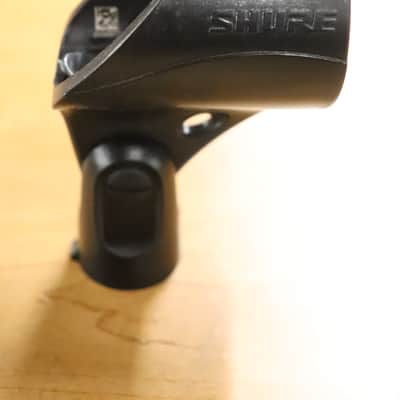
Shure SM7B

Dynamic · Broadcast & podcasting standard$160–$280 used

Best for: Podcasting, streaming, vocals in untreated rooms

The most popular broadcast/podcast microphone in the world. Handles untreated room noise well — cardioid pattern with built-in pop filter. Rugged dynamic construction with no active electronics to fail. Used SM7B is excellent value; a well-maintained unit is functionally identical to new.

What to check used: Requires 60dB+ clean gain. Add Cloudlifter ($80 used) if using with a standard interface.
Available now

#2

Rode NT1

Large-diaphragm condenser · 4.5dBA self-noise · neutral, transparent$120–$200 used

Best for: Vocals and acoustic guitar in treated rooms

Extremely low self-noise (4.5dBA — one of the quietest large-diaphragm condensers made). Neutral, transparent sound. Best value large-diaphragm condenser at this price. Rode's 'lifetime warranty' means newer units have ongoing support.

What to check used: Needs 48V phantom power and a treated room. Picks up room reflections clearly — not suitable for untreated spaces.

#3

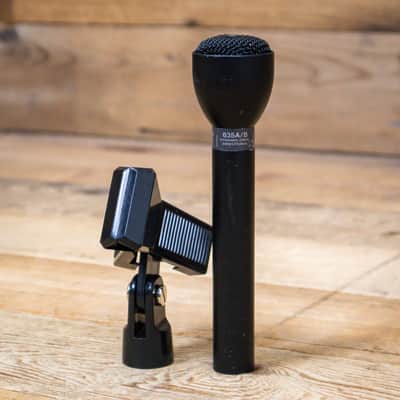
Electro-Voice RE20

Dynamic · Variable-D · no proximity effect$200–$300 used

Best for: Broadcast voice, bass instruments, kick drum

Variable-D technology eliminates proximity effect — voice tone stays consistent at any distance. The broadcast standard alongside the SM7B, with a different character: the RE20 is neutral and open where the SM7B is slightly scooped and colored. Preferred for spoken word; SM7B preferred for music.

What to check used: Also needs significant gain — similar Cloudlifter requirement as SM7B. Less common than SM7B on used market.

#4

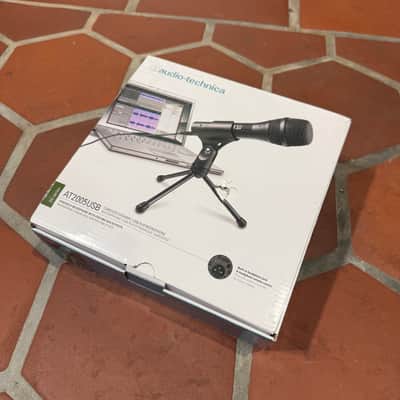
Audio-Technica AT2020

Large-diaphragm condenser · Budget condenser · cardioid only$60–$110 used

Best for: Budget home studio, vocals, instruments, streaming

The most common beginner condenser microphone — sounds significantly better than its price suggests. Cardioid only (no multi-pattern) but adequate for 95% of home studio use. The AT2020 USB variant skips the interface requirement entirely if needed.

What to check used: More sensitive to room sound than dynamic mics. Basic acoustic treatment (foam panels, reflection filter) makes a meaningful difference.

#5

AKG C414 XLS

Large-diaphragm condenser · 9 polar patterns · 3 pads · 3 high-pass filters$400–$700 used

Best for: Versatile studio microphone for recording multiple sources

Nine polar patterns plus three pad levels and three high-pass filter settings. The C414 can record anything well — acoustic guitar overhead to violin to room ambiance. The Swiss Army knife microphone for a professional home studio.

What to check used: Complexity means more to check used: verify each polar pattern switch, pad switch, and filter switch functions correctly. Previous owners occasionally break the pattern switch.

#6

Neumann U87 Ai (or original)

Large-diaphragm condenser · Three patterns · professional reference standard$1,500–$2,800 used

Best for: Professional vocal recording — the most-recorded microphone in history

If a vocal sounds great on a major album, there's a high probability it was recorded through a U87. Three polar patterns, exceptional build quality, characteristic warmth and detail. A used U87 Ai in Very Good condition is the same microphone as a new one at $3,200.

What to check used: Invest in authentication before purchasing — counterfeits exist. Buy from Reverb with purchase protection or a reputable dealer with a return policy.

Frequently Asked Questions

Dynamic vs condenser microphone — which is better for a home studio?

It depends on your room. Dynamic microphones (SM7B, RE20) reject room noise — cardioid patterns ignore sound from behind and sides. If you record in an untreated bedroom, a dynamic mic is far more practical. Condenser microphones capture everything in the room — in a foam-treated bedroom, a condenser often sounds worse because it picks up every flutter echo and reflection. The conventional wisdom that condensers are better is true only in acoustically treated spaces. In a typical home setup: start with dynamic, add condenser later if you treat the room.

What audio interface do I need with a studio microphone?

For condenser microphones: any interface with 48V phantom power and XLR input works. The Focusrite Scarlett Solo ($120 used) is the most common beginner choice. For the Shure SM7B (very low output): you need an interface with 60dB+ of clean gain, OR add a Cloudlifter ($80 used). The Focusrite Scarlett Solo provides 56dB max gain — borderline; a Cloudlifter guarantees clean adequate gain. Universal Audio Volt 276 ($199 new) provides 65dB and works with SM7B without a Cloudlifter.

Is it safe to buy a used condenser microphone?

Yes, with careful inspection. Condensers age better than many people expect — a well-maintained Neumann U87 from the 1980s records identically to a modern one. The risks: (1) capsule damage from impact (expensive to repair); (2) self-noise increase from aging electronics (test at high gain with no input — audible hiss is the symptom); (3) humidity damage (look for channel drops or crackling); (4) counterfeits on premium microphones. For microphones under $500: used is excellent value. For microphones over $1,000: buy from Reverb with purchase protection or a reputable dealer.

What is the best used microphone under $200?

For $200 used: (1) Shure SM7B (Very Good, $160–$200) + Cloudlifter if needed — best for untreated rooms. Or (2) Rode NT1 (Excellent, $120–$200) — best for treated rooms. The SM7B+Cloudlifter total ($260) is worth it for podcasting or streaming in a typical home. The NT1 alone at $150 used is better pure recording value for vocals in a decent space. The AT2020 at $60–$100 used is the exception: genuinely good quality for the money.

How do I test a microphone before buying used?

If buying in person: bring a portable audio interface and headphones. Record 30 seconds of vocal at normal speaking level. Listen for: (1) self-noise — audible hiss floor without speaking? (2) gain behavior — does gain respond linearly without crackle? (3) channel drops — does signal cut out when moving the XLR cable? Buying online: Reverb's buyer protection is your safety net. Request video proof of the microphone working with visible gain staging. Reputable Reverb stores with 1,000+ positive feedback are generally reliable.

Get weekly used gear deals in your inbox

Price drops, new listings, and buyer tips — free, every week.

Unsubscribe any time.

Professional Appraisal

Know what your instrument is worth

Generate an CMA appraisal report in minutes. We pull comparable sold listings from Reverb, eBay, Guitar Center, and more — you select the comps, get statistical analysis, and download a professional PDF. Starting at $8.99.

Related Guides