Affiliate Disclosure: As an eBay Partner Network Affiliate, we earn from qualifying purchases. Treblemakers may also earn commissions from Reverb and other marketplace links. This doesn't affect the price you pay. Learn more

BEST PLUG-AND-PLAY
Shure SM7B
$10 on Reverb
INDUSTRY STANDARD
Blue Yeti
$200–$280 used
BEST BUDGET XLR
Rode NT-USB Mini
$60–$90 used

A good podcast microphone is the foundation of audio quality. The difference between a $60 AT2020 and a $280 SM7B is significant, but both are used in professional studios.

We've ranked all leading podcast mics by value, durability, and sound. All available used at savings.

The 7 Best Podcast Microphone

#1

Shure SM7B

Industry standard · Dynamic, cardioid$200–$280 used

Best for: Professional podcasters, voice-over artists, and studios wanting the industry-standard voiceover mic

The SM7B is the most used podcast microphone in the world. Broadcasts, podcasts, and voiceover studios rely on it. Natural proximity effect adds presence and warmth, which is why it sounds so good on voice. Rugged, reliable, and has proven longevity.

What to check used: Requires a preamp or interface with good gain staging. Check that the windscreen has no tears.
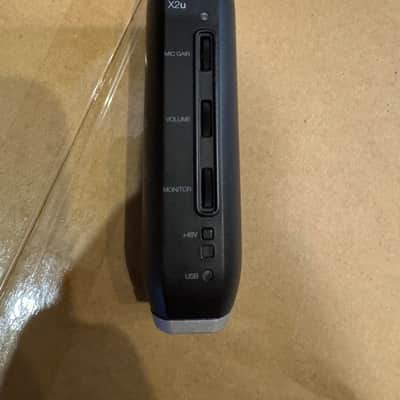
Available now

#2

Blue Yeti

Budget USB · Condenser, USB plug-and-play$80–$120 used

Best for: Beginning podcasters who want plug-and-play without needing an interface

The Blue Yeti is the world's best-selling podcast microphone. No interface needed—just plug USB into your computer. Cardioid mode is tight for voice. Built-in shock mount and stand.

What to check used: Condenser mics pick up more room noise than SM7B. If you have background noise, SM7B is the better choice.

#3

Rode NT-USB Mini

Compact USB · Condenser, USB, 25mm capsule$80–$120 used

Best for: Podcasters who travel and want a smaller, lighter mic than the Yeti

A smaller, portable USB condenser. The 25mm capsule captures voice clearly. Built-in headphone monitoring. Includes shock mount and stand adapter.

What to check used: Smaller capsule means less bass presence. Still condenser noise pickup.

#4

Audio-Technica AT2020

Studio condenser · Condenser, cardioid, XLR$60–$90 used

Best for: Podcasters willing to invest in an interface for professional studio tone

One of the best-value studio condensers ever made. Many professional podcasts use AT2020. Requires an interface with phantom power, but becomes a flexible tool.

What to check used: Needs an interface—not plug-and-play. Condenser picks up room noise.

#5

Electro-Voice RE20

Broadcast dynamic · Dynamic, cardioid, XLR$200–$280 used

Best for: Broadcasters wanting a warmer alternative to the SM7B

Used in many NPR studios. Slightly warmer than SM7B. Built-in shock mount. Exceptional value used.

What to check used: Requires interface with good gain, like SM7B.

#6

Heil PR 40

Warmth dynamic · Dynamic, cardioid, XLR$150–$220 used

Best for: Podcasters who want warmth at a lower price than RE20 or SM7B

Voiced for warmth and presence. Forgiving on inexperienced mic technique. Great value used.

What to check used: Requires interface with preamp gain.

Available now

#7

Rode Procaster

Professional dynamic · Dynamic, cardioid, XLR$100–$150 used

Best for: Podcasters wanting a pro-level dynamic mic at excellent value

Rode designed the Procaster for podcasting. Optimized for voice. Good off-axis rejection. High quality and reliable.

What to check used: Fewer used units available. Requires interface with preamp.

Frequently Asked Questions

USB mic vs XLR mic—which should I choose?

USB mics are plug-and-play. Best for beginners. XLR mics require an interface ($80-200), but give more control, flexibility, and upgrade options. For first podcast, USB is faster. For long-term, XLR is more flexible.

Dynamic vs condenser for podcasting?

Dynamic mics are forgiving on room noise—perfect for untreated spaces. Condenser mics are sensitive, pick up more detail, but also pick up background noise. For home/untreated recording, dynamic is better.

How important is acoustic treatment?

Critical for condensers; optional for dynamics. Basic treatment (curtains, foam panels, bookshelves) costs $100-200 and is cheaper than upgrading your mic.

Microphone placement and distance?

Optimal distance is 3-6 inches for voice. Closer increases proximity effect (more bass/presence) but increases plosive pops. Angle slightly off-axis to reduce sibilance.

How do I reduce room noise and hum?

Layer three things: (1) microphone choice—dynamics reject noise better; (2) placement—away from fans/AC/equipment; (3) room treatment—soft materials absorb sound. Hum comes from power cables—move them away.

Get weekly used gear deals in your inbox

Price drops, new listings, and buyer tips — free, every week.

Unsubscribe any time.

Professional Appraisal

Know what your instrument is worth

Generate an CMA appraisal report in minutes. We pull comparable sold listings from Reverb, eBay, Guitar Center, and more — you select the comps, get statistical analysis, and download a professional PDF. Starting at $8.99.

Related Guides