#1
Gibson SG Standard
Jam band primary guitar (Jerry Garcia early GD, accessible sustain) · Mahogany body, 2 Burstbucker 61R/61T humbuckers, 24.75-inch scale, double-cutaway, slim taper neck$1,200–$1,500 usedBest for: Early Jerry Garcia Grateful Dead tone (pre-Tiger period), warm mahogany sustain for long improvisational passages, SG double-cutaway for upper-fret access in extended solos, light weight for long jam band performances
The Gibson SG was Jerry Garcia's guitar before his custom instruments — the early Grateful Dead catalog uses an SG for the warm, singing tone of Garcia's improvisational approach. The SG's mahogany warmth and sustain supports the long, melodically expressive solos of jam band playing. The double-cutaway provides full neck access for the upper-register improvisational passages central to jam band guitar. The SG is the most accessible Gibson entry for jam band tone. Used at $1,200–$1,500.
What to check used: Garcia's later tone used custom instruments (Wolf, Tiger, Rosebud) with specific electronics modifications — the SG Standard produces early Garcia tone, not the MIDI-augmented later Garcia tone. For '70s–'90s Grateful Dead tone, the SG Standard is the starting point; Garcia's custom instruments are collector items beyond practical use.
#2
Fender Stratocaster
Jam band clean versatility (Trey Anastasio-adjacent tone) · 3 single-coil pickups, 5-position switch, tremolo, 25.5-inch scale(Player Strat: $600–$850 used)Best for: Clean, bright jam band improvisation in the Trey Anastasio tradition, Stratocaster versatility for extended improvisation across multiple tonal zones, neck pickup warm sustain for long melodic lines
The Fender Stratocaster suits clean, bright jam band improvisation — Trey Anastasio's Phish guitar work (before his signature PRS) drew on Stratocaster-influenced clean tone and the versatile five-pickup positions allow tonal variation across extended jam band sets. The Stratocaster's sustain and clean clarity supports improvisational passages that span multiple styles within a single extended jam. Used at $600–$850.
What to check used: Trey Anastasio now uses a signature PRS instrument and his tone is distinctly recognizable — for players specifically wanting Phish/Anastasio tone, the Paul Reed Smith Hollowbody II or PRS McCarty better matches his current setup. The Stratocaster suits broadly-inspired jam band improvisation rather than specifically Phish-style playing.
#3
PRS McCarty 594
Premium jam band versatility (Trey Anastasio signature PRS-adjacent) · Mahogany body, maple top, 2 PRS 58/15 LT pickups, 24.594-inch scale, Pattern Vintage neck$2,800–$3,500 usedBest for: Warm, vintage-voiced jam band improvisation, McCarty 594 vintage-PAF character for extended melodic jam band solos, PRS quality for professional jam band performance
The PRS McCarty 594 suits professional jam band playing — the 24.594-inch scale and 58/15 LT vintage-voiced pickups produce warm, responsive tone for extended improvisational passages. PRS's quality ensures reliable intonation across a full neck of extended jam band improvisation. Trey Anastasio's signature PRS instruments share the McCarty 594's fundamental construction approach. Used at $2,800–$3,500.
What to check used: PRS McCarty 594 is a premium professional investment. The PRS S2 McCarty 594 ($1,400–$1,700 used) provides approximate McCarty character at lower cost. The S2 shares the McCarty body shape and pickup character with slightly different wood selection and hardware.
#4
Ibanez Artcore AS93
Budget semi-hollow jam band warmth · Semi-hollow, 2 Ibanez Super 58 humbuckers, 24.75-inch scale, spruce top$350–$450 usedBest for: Semi-hollow warm tone for jazz-influenced jam band improvisation, accessible hollow-body warmth for Grateful Dead-adjacent chord-melody playing, budget jam band instrument with semi-hollow resonance
The Ibanez Artcore AS93 provides semi-hollow jam band warmth at accessible pricing — the Super 58 humbuckers and spruce top semi-hollow construction produce warm, round tone for the jazzy, chord-melody-influenced improvisation of jam band playing. For jam band players who reference the warm, hollowbody-adjacent Garcia tone without a premium Gibson investment, the AS93 is the entry point. Used at $350–$450.
What to check used: The Ibanez Artcore AS93 feedback level at loud jam band volumes through high-gain settings requires amplifier positioning management. Jam band typically uses moderate gain levels (clean to edge-of-breakup), so the semi-hollow feedback is manageable at appropriate gain settings.
#5
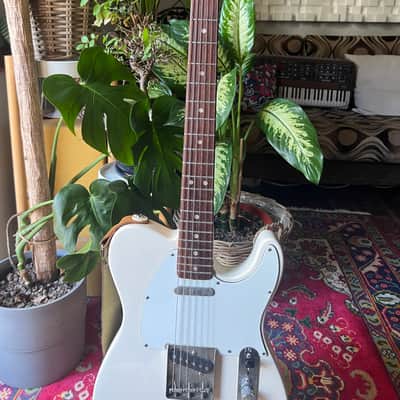
Fender Telecaster
Country-rock jam band (John Bell Widespread Panic, Telecaster twang) · 2 single-coil pickups, 25.5-inch scale, bright bridge pickup(Player Tele: $600–$850 used)Best for: Widespread Panic John Bell Telecaster jam band tone, clean-to-edge-of-breakup Telecaster for country-influenced jam improvisation, Telecaster twang for jam band that crosses into country rock
The Fender Telecaster suits jam band that incorporates country and southern rock influences — John Bell's Widespread Panic guitar work uses Telecasters for their clean, twangy character that suits the country-rock-jam crossover. The Telecaster's bridge pickup clarity provides rhythmic definition in ensemble jam band contexts where the guitar needs to be heard distinctly. Used at $600–$850.
What to check used: John Bell (Widespread Panic) uses Telecasters as one of his primary guitars alongside other instruments — his tone includes both clean Telecaster and heavier overdriven passages. The Telecaster's single-coil brightness contrasts with the warmer humbucker-based jam band tone of Garcia or Anastasio; the choice depends on the jam band style and influences.
#6
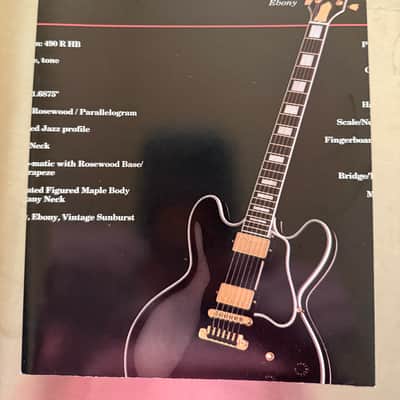
Gibson ES-335
Jazz-rock jam band semi-hollow (Garcia-adjacent warm tone) · Semi-hollow, 2 Burstbucker humbuckers, 24.75-inch scale, warm resonant tone$2,100–$2,600 usedBest for: Warm semi-hollow jam band improvisation with jazz-influenced approach, ES-335 natural acoustic resonance for complex chord-melody jam band passages, warm Gibson semi-hollow that suits Garcia-adjacent playing
The Gibson ES-335 suits jam band players who want warm, round tone with natural semi-hollow acoustic resonance — the ES-335's characteristic warmth produces the chord-melody richness that suits complex jam band improvisation. For Garcia-influenced players who want the warmth of his later tone (Tiger era warm humbucker) without a custom instrument, the ES-335 provides comparable character. Used at $2,100–$2,600.
What to check used: ES-335 at jam band volumes may feed back — jam band is often played at moderate to loud stage volumes. The semi-hollow body requires careful amplifier positioning and may need feedback gate in loud stage environments. The Epiphone ES-335 ($420–$600 used) provides approximate ES-335 warmth for jam band at lower prices.
#7
Music Man John Petrucci JP15
Progressive jam band technical lead (Dream Theater/technical jam band) · Basswood body with arched top, 2 DiMarzio JP humbuckers, 25.5-inch scale, 24 frets, Music Man-style tremolo$1,500–$2,000 usedBest for: Progressive-technical jam band that incorporates Dream Theater-influenced playing, 24-fret range for jam band upper register soloing, Music Man quality for progressive jam band professional performance
The Music Man JP15 suits technical progressive jam band — for musicians who push jam band into Dream Theater-influenced progressive territory, the JP15's wide range and technical capability suits extended improvisational passages that require upper-register technical playing. Used at $1,500–$2,000.
What to check used: The Music Man JP15 is specifically a John Petrucci signature instrument — its character is more technical and prog-influenced than Garcia, Anastasio, or Bell. This is the appropriate choice only for technical-progressive jam band; for traditional jam band (Grateful Dead, Phish styles), the Gibson SG and Fender instruments above are more appropriate.
#8
Fender American Professional II HSS Stratocaster
Jam band bridge humbucker versatility · Alder body, V-Mod II single-coils, V-Mod II humbucker bridge, 25.5-inch scale, USA quality$1,400–$1,700 usedBest for: Jam band that spans clean jazz-influenced single-coil tone and heavier rock-jam humbucker passages, USA Stratocaster quality with bridge humbucker for genre-spanning jam band sets
The Fender American Professional II HSS provides jam band tonal range — the three single-coil positions cover clean, Stratocaster-style jam band playing and the bridge humbucker allows heavier rock-jam passages in the same instrument. For jam band players whose sets span multiple genres within extended performances, the HSS configuration covers more sonic territory than a standard SSS Stratocaster. Used at $1,400–$1,700.
What to check used: The HSS configuration's bridge humbucker changes the Stratocaster's character from the traditional SSS three single-coil Strat — some jam band players prefer the consistent single-coil character of the SSS for Stratocaster-specific tone. If your jam band playing is primarily single-coil-based, the standard American Professional II SSS Stratocaster is the cleaner choice.