Affiliate Disclosure: As an eBay Partner Network Affiliate, we earn from qualifying purchases. Treblemakers may also earn commissions from Reverb and other marketplace links. This doesn't affect the price you pay. Learn more

BEST STARTER
Ibanez AF55 / AF75 Artcore
$13 on Reverb
ICONIC SHAPE
Epiphone ES-335 Pro / Dot
$5 on Reverb
PROFESSIONAL
Ibanez AS93 / AS103 Artcore Expressionist
$13 on Reverb

Jazz tone requires warmth and sustain without the harsh transients of a solid body. The full hollowbody archtop (ES-175, L-5) is the traditional answer — a round, resonant body with a neck humbucker produces the thick, fat tone of bebop and swing. Semi-hollow guitars (ES-335, Ibanez AS) trade some of that warmth for feedback resistance, making them more practical for live settings.

All 7 picks below are available used. Hollowbody and semi-hollow jazz guitars hold their value well. The best entry point is the Ibanez Artcore at $200–$350 — it sounds genuinely good and won't hold back a beginner. The professional peak is the Gibson ES-175 or ES-335 at $2,500+.

The 7 Best Guitar for Jazz

#1

Ibanez AF55 / AF75 Artcore

Budget · Full hollow · warm neck humbucker$200–$350 used

Best for: Jazz beginners and budget players seeking genuine hollow-body warmth

The Artcore series is the best entry-level jazz guitar value. The AF series are fully hollow with a warm, round tone. The AS73 (semi-hollow) gives you slightly more feedback resistance. Both come with humbuckers that produce excellent clean jazz tones — thicker than a thin-line, softer attack than a solid body.

#2

Epiphone ES-335 Pro / Dot

Budget · Semi-hollow · Larry Carlton style$250–$400 used

Best for: Budget players who need feedback-resistant live jazz tone (Larry Carlton, Lee Ritenour style)

The semi-hollow construction balances jazz warmth with feedback resistance — making it more practical for live jazz settings than a fully hollow archtop. Epiphone Dot at $250–$300 used is one of the best value propositions in any genre. Bridge-position humbucker adds versatility for jazz-fusion.

#3

Ibanez AS93 / AS103 Artcore Expressionist

Mid · Semi-hollow · Super 58 humbuckers$400–$600 used

Best for: Intermediate players wanting better pickups and fretwork — the step-up Artcore

Step up from the entry Artcore with Ibanez's Super 58 pickups — a closer approximation of PAF-style humbuckers. Better fretwork, more resonant body. The AS103 adds ebony fingerboard for a slightly darker, more articulate attack.

#4

Gibson ES-335

Pro · Semi-hollow · 57 Classic humbuckers$1,800–$3,500 used

Best for: Professional jazz and fusion players — Larry Carlton's "Room 335" tone

When Larry Carlton recorded "Room 335" he defined what the guitar sounds like in a jazz context. The ES-335 is warm enough for straight jazz but articulate enough for fusion. Gibson's 57 Classic or Burstbucker pickups are excellent clean. The center block prevents the feedback problems of a full archtop at louder volumes.

Available now

#5

Epiphone ES-175 Reissue

Mid · Full hollow archtop · Wes Montgomery body$350–$600 used

Best for: Players who want the Wes Montgomery, Joe Pass, Jim Hall archtop body shape at budget price

The ES-175 is the most iconic jazz guitar in history. Wes Montgomery, Joe Pass, and Jim Hall all played it. The Epiphone reissue captures the body shape and generally acceptable approximation of tone. For straight-ahead jazz, it's hard to argue against this body shape.

#6

Gibson ES-175

Premium · Full hollow archtop · PAF humbuckers$2,500–$5,000 used

Best for: Advanced players who want the definitive bebop and straight-ahead jazz tone

The definitive jazz guitar. PAF humbuckers, full hollow body, maple archtop. The ES-175 has been the standard jazz guitar from bebop through today. A 1960s vintage example is a museum piece; a modern Gibson reissue reproduces the essential character. Joe Pass's "Virtuoso" album was recorded on an ES-175.

Available now

#7

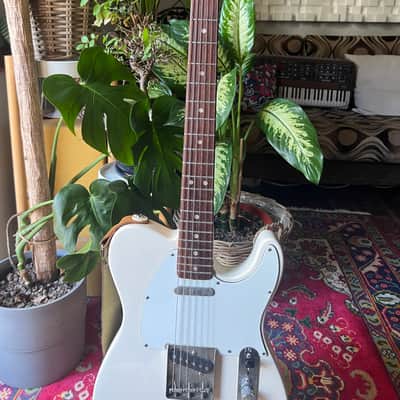
Fender Stratocaster or Telecaster

Alternative · Solid body · modern jazz-fusion$350–$1,800 used

Best for: Modern jazz-fusion players, or those who already own one and want to explore jazz

Not the traditional jazz guitar, but John Scofield and Wayne Krantz have built entire careers on Telecasters in jazz-fusion contexts. If you already own a Strat or Tele, the neck pickup with tone rolled off produces surprisingly warm jazz tones. Many players start here before moving to a hollowbody.

Available now

Frequently Asked Questions

What guitar is best for jazz beginners?

The Ibanez Artcore AF55 ($200–$300 used) or Epiphone Dot ($250–$350 used) are the best jazz guitar starting points. Both are affordable, playable, and produce genuine jazz tones. Avoid starting on an acoustic — jazz is overwhelmingly an amplified electric guitar genre, and the tone you're trying to learn comes from the pickup and amp combination, not the acoustic resonance of a hollow box.

Do I need a hollowbody guitar for jazz?

Traditionally, yes — the full hollowbody archtop (ES-175, L-5, Super 400) is the jazz guitar standard. The fully hollow body produces a warm, round, sustaining tone with natural compression that suits bebop and swing perfectly. However: semi-hollow guitars (ES-335, Ibanez AS series) work excellent for jazz and have the practical advantage of feedback resistance. Solid-body guitars (Strat, Tele) work for jazz-fusion and modern jazz — John Scofield and Pat Metheny have built careers on them. For straight-ahead acoustic-style jazz: hollowbody. For fusion or modern jazz: anything works.

What pickups does jazz guitar need?

Jazz traditionally uses humbuckers, usually a full-size humbucker in the neck position. The neck humbucker produces the thick, warm, round tone associated with classic jazz. The ES-175 and most archtops come with one humbucker in the neck only — this is intentional. For jazz, you want low output, warm response, and no single-coil hum. PAF-style humbuckers (Gibson 57 Classic, Seth Lover, Bare Knuckle Stormy Monday) are considered ideal for jazz. Some jazz players use P-90 pickups for a slightly brighter response, but true single coils are rarely used in the genre.

What amp should I use for jazz guitar?

A full, clean amp with plenty of headroom is the standard: Fender Twin Reverb (used $600–$900) or Polytone Minibrute (used $300–$600) are the most common. Polytone is particularly beloved for jazz — it produces a clean, hi-fi sound with no coloration. For smaller spaces: Fender Blues Junior or Princeton Reverb give excellent clean tones at lower volumes. Roland Jazz Chorus (JC-120) is another jazz standard — solid-state, but with a distinctive clean shimmer many jazz players prefer. Avoid high-gain amps — jazz tone comes from a clean signal running clean.

What gauge strings does jazz guitar use?

Jazz guitarists use heavier strings than other genres, typically 12–52 or 13–56 flatwounds. Flatwound strings (rather than roundwound) produce a darker, smoother, less bright tone that is central to traditional jazz sound. The flat winding also reduces finger noise — important for clean jazz lines. D'Addario Chromes, Thomastik-Infeld Jazz Swings, and GHS Precision Flats are popular brands. The heavier gauge also increases output and sustain, and the added tension contributes to the controlled, deliberate feel that jazz technique requires.

Get weekly used gear deals in your inbox

Price drops, new listings, and buyer tips — free, every week.

Unsubscribe any time.

Professional Appraisal

Know what your instrument is worth

Generate an CMA appraisal report in minutes. We pull comparable sold listings from Reverb, eBay, Guitar Center, and more — you select the comps, get statistical analysis, and download a professional PDF. Starting at $8.99.

Related Guides

Compare

Price Guides