#1
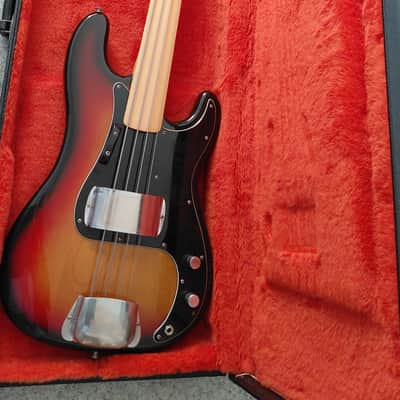
Squier Affinity Series Precision Bass
Budget P-Bass (Squier by Fender) · Alder body, maple neck, split-coil P-Bass pickup, 20 frets, 34-inch scale, Squier by Fender quality$250–$300 new / $160–$220 usedBest for: Best sub-$300 P-Bass, Fender brand, P-Bass tone for rock and blues, beginner and gigging bassist
The Squier Affinity Precision Bass is the most recommended bass guitar under $300 — P-Bass tone (warm, full, defined low-end punch) from the Fender family at budget price. The split-coil pickup is a hum-cancelling design that produces the P-Bass character used on countless recordings. The Affinity series is Squier's mid-tier (above Bullet, below Classic Vibe) and provides better construction quality than the cheapest alternatives. Used at $160–$220.
What to check used: The Affinity P-Bass is a beginner instrument — the hardware and electronics are functional but not professional-grade. A setup ($60-80) immediately after purchase improves playability significantly. The Affinity lacks the tonal versatility of active pickup basses; it is specifically a P-Bass character instrument (warm, punchy, slightly mid-forward). For versatility, the Yamaha TRBX174 or Ibanez GSR200 are better choices.
#2
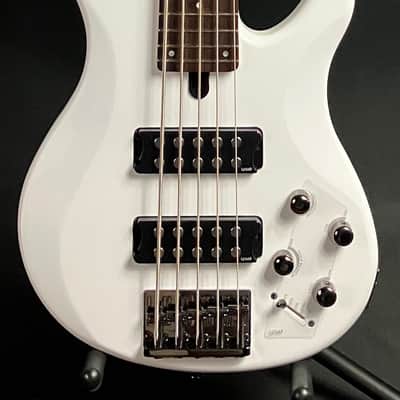
Yamaha TRBX174
Versatile active-passive bass · Alder body, maple neck, P/J pickup configuration, 22 frets, Yamaha controls, 34-inch scale, active/passive switch$230–$280 new / $150–$200 usedBest for: Best value budget bass overall, P/J pickup versatility, Yamaha build quality, active sound option
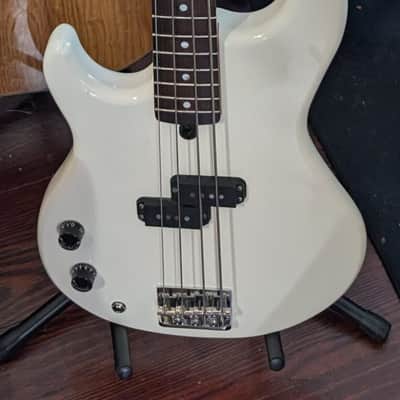
The Yamaha TRBX174 is the most versatile bass guitar under $300 — the P/J pickup configuration (split-coil P pickup in the neck position, single-coil J pickup in the bridge position) allows a range of tones from warm P-Bass to bright J-Bass. Yamaha's manufacturing quality control is consistently excellent, and the TRBX174 plays noticeably better out of the box than many competing budget basses. Used at $150–$200.
What to check used: The TRBX174 has an active electronics mode that requires a 9V battery — verify the battery is installed and fresh when purchasing used. The active mode boosts output and adds tonal flexibility; the passive mode works without the battery for basic functionality. The Yamaha's versatility is its strength; players who specifically want P-Bass or J-Bass character should choose the Squier Affinity P-Bass or Classic Vibe J-Bass for authenticity.
#3
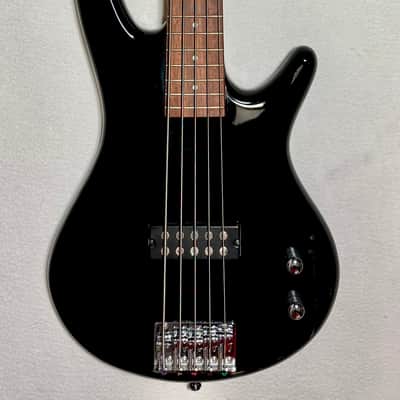
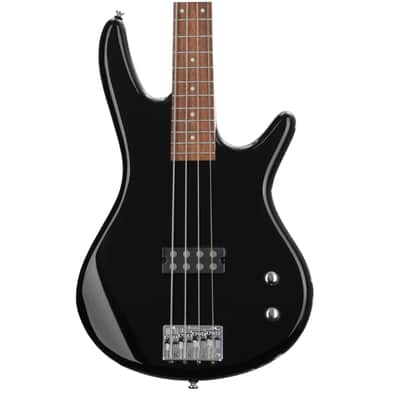
Ibanez GSR200
Budget solid body bass (J-Bass influenced) · Poplar body, maple neck, J/J pickup configuration, 22 frets, PHAT-II active bass boost, slim neck profile$200–$250 new / $130–$180 usedBest for: Most comfortable neck for beginners, Ibanez's slim neck profile, J-Bass character, PHAT-II bass boost
The Ibanez GSR200 is the most player-friendly budget bass — Ibanez is known for thin, comfortable neck profiles, and the GSR200 is specifically praised by beginners for being easy to play. The PHAT-II active bass boost adds low-end character without a full active preamp. The J/J pickup configuration produces a bright, clear tone that suits slap bass, funk, and rock. Used at $130–$180.
What to check used: The GSR200's poplar body is lighter than alder or ash but produces a slightly less full acoustic resonance — the difference is subtle and mainly relevant at high levels of playing experience. The J/J pickup configuration has a slightly thinner fundamental than a split-coil P pickup; for rock and blues players who need P-Bass punch, the Squier Affinity P-Bass is the better match.
#4
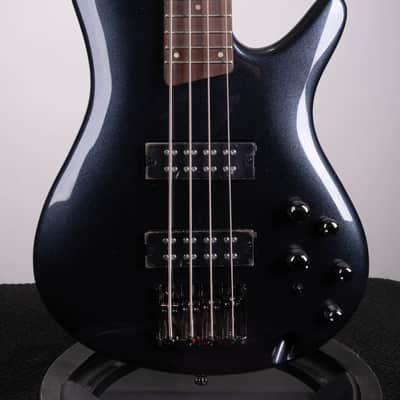
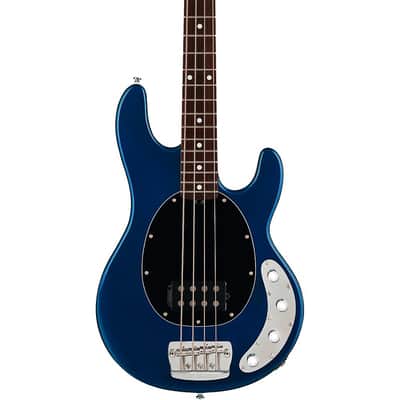
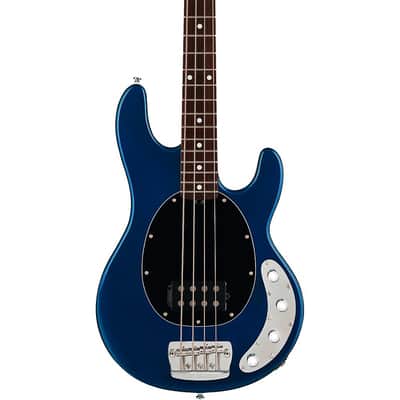
Sterling by Music Man Ray4
Music Man StingRay-influenced budget bass · Poplar body, maple neck, Sterling MM-designed humbucker pickup, active 2-band EQ, 34-inch scale$250–$300 new / $170–$230 usedBest for: StingRay humbucker tone at budget price, active EQ for tone shaping, Music Man design in Sterling's affordable line
The Sterling Ray4 is the budget access point to Music Man StingRay tone — the humbucker pickup in the bridge position with an active 2-band EQ produces the aggressive, punchy, bright StingRay character. The StingRay sound is heard on countless funk, soul, and rock recordings. For players who specifically want active humbucker bass tone at under $300, the Sterling Ray4 is the direct path. Used at $170–$230.
What to check used: The StingRay humbucker tone is specific — aggressive, bright, and punchy with a scooped mid character. It is a distinctive sound that suits some styles (funk, rock, pop) and conflicts with others (warm jazz, acoustic-influenced music). The Ray4 is the correct choice if you specifically want the StingRay character; it is not a general-purpose budget bass.
#5
Squier Classic Vibe 60s Precision Bass
Premium budget P-Bass with vintage spec · Vintage-voiced split-coil pickup, alder body, 60s P-Bass neck profile, 1-3/4 inch nut width, Fender's better Squier tier$400–$450 new / $280–$360 usedBest for: Best P-Bass under $400, Classic Vibe quality step-up, vintage neck profile, closer to Fender American tone
The Squier Classic Vibe 60s P-Bass is a notable step up from the Affinity — the Classic Vibe series uses better hardware, better pickups, and better construction quality. The vintage-voiced pickup produces a warmer, fuller P-Bass tone than the Affinity. At $280–$360 used, it is at the top of the sub-$400 range but noticeably better than the Affinity. For players willing to stretch slightly above $300 for a significantly better instrument, the Classic Vibe 60s P-Bass is the recommendation.
What to check used: This option exceeds the $300 budget guideline at typical used prices. It is listed because the quality jump from the Affinity ($160–$220) to the Classic Vibe ($280–$360) is substantial. If the budget can stretch, the Classic Vibe is a clearly superior instrument.
#6
ESP LTD B-10
Budget active bass (metal/rock oriented) · Basswood body, maple neck, active EMG-branded pickups, 24 frets, slim neck, ESP LTD construction$200–$260 new / $130–$180 usedBest for: Budget metal and hard rock bass, active pickups for output and clarity, ESP LTD quality
The ESP LTD B-10 is the budget bass for metal and hard rock players — active pickups provide high output and clarity for distorted, down-tuned bass tones common in metal. ESP LTD is a respected brand in metal guitar manufacturing, and the B-10 reflects their familiarity with the style. 24 frets provide upper-register access. For metal bassists on a strict budget, the B-10 is the functional choice. Used at $130–$180.
What to check used: The B-10's active pickups require a 9V battery. The basswood body is lighter and slightly less sustaining than alder or ash. The ESP LTD tone character is specifically optimized for metal and heavy rock — it is not a versatile bass for jazz, blues, or acoustic-adjacent music.
#7
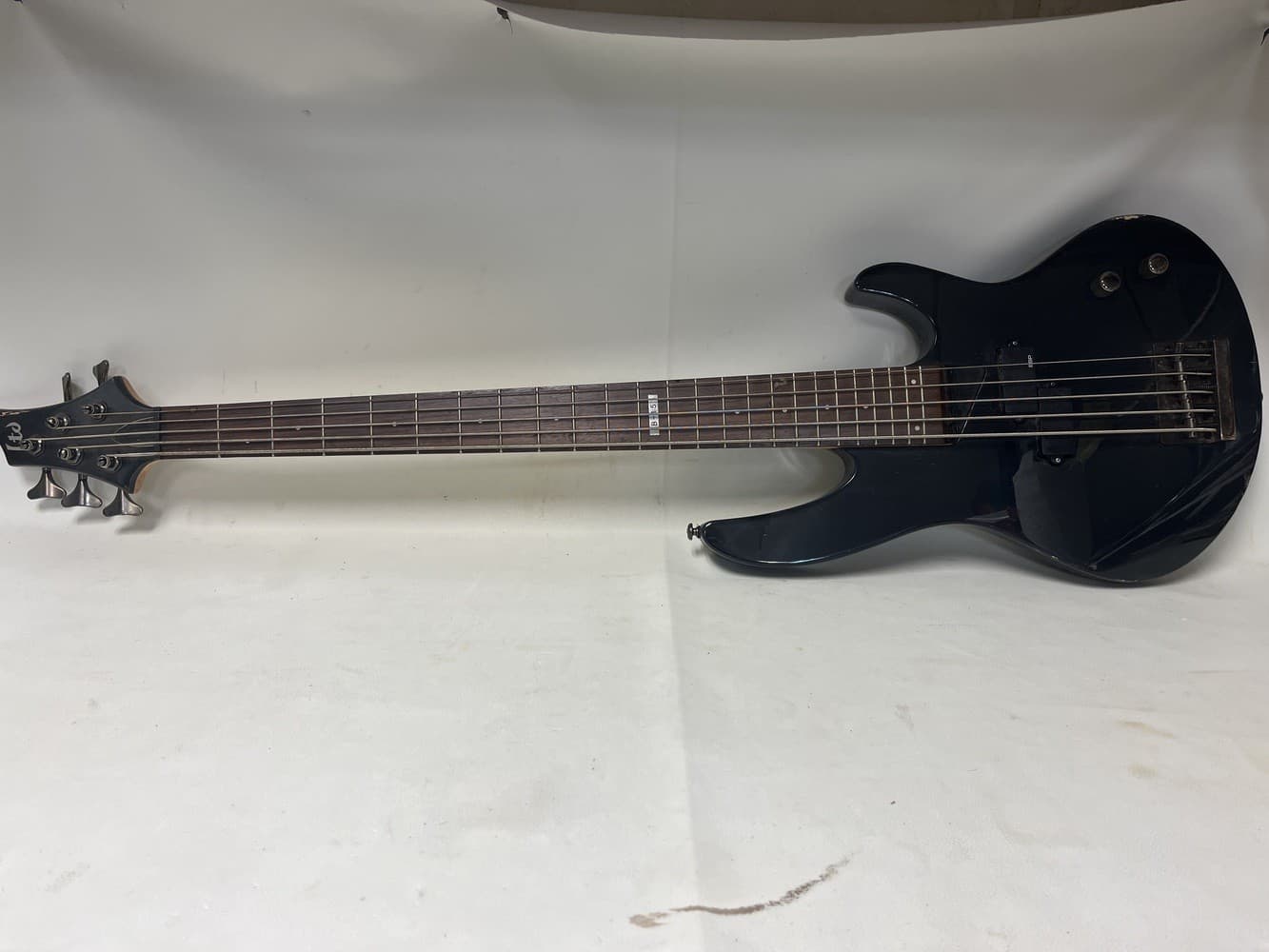
Harley Benton B-550 (online direct)
Budget P/J bass (Thomann brand) · Alder body, maple neck, P/J pickup config, 22 frets, chrome hardware, multiple colors, Thomann direct$130–$160 new (Thomann direct)Best for: Absolute lowest price for decent quality, European/online buyers, no-frills P/J bass
Harley Benton is Thomann's house brand — the German online retailer produces surprisingly capable instruments at very low prices by reducing retail markup. The B-550 provides P/J pickup configuration at a price significantly below competing options. For players who are comfortable ordering online from Thomann and want the lowest possible entry price for a functional bass, the B-550 is worth consideration.
What to check used: Harley Benton is only available from Thomann (Germany's largest music retailer) and is not sold through local guitar stores in the US. The quality is genuine but setup and quality control may vary. Returns and warranty service require shipping back to Germany. Not recommended for players who want to buy locally or prefer brand-familiar instruments.