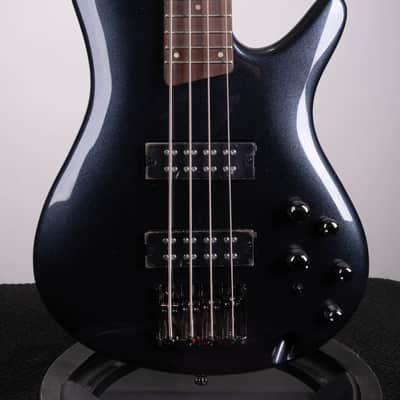
#1
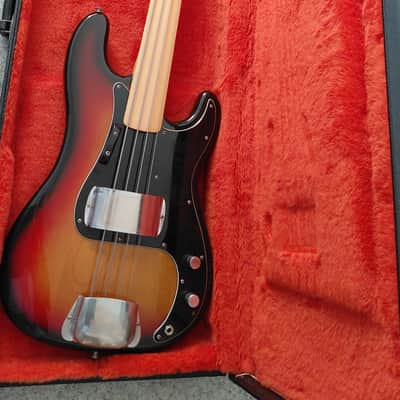
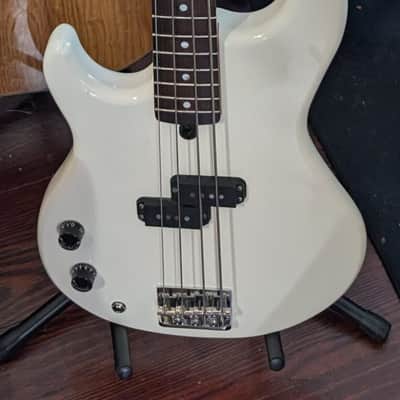
Squier Classic Vibe 60s Precision Bass
Precision Bass (4-string) · Alder body, maple neck, rosewood fretboard, vintage-output single-coil split pickup, 34" scale$280–$380 usedBest for: The definitive P-Bass tone, vintage sound, beginner to intermediate, Fender bloodline quality
The Squier Classic Vibe 60s Precision Bass is consistently cited as the best budget bass guitar available — the vintage-output pickup produces a warmer, more vintage-correct P-Bass tone than the standard Squier Affinity series, the alder body resonates properly, and the overall build quality is much closer to the Fender Player series than the price suggests. The Classic Vibe series is Squier's premium line, made to tighter tolerances than entry-level Squiers. Used at $280–$380.
What to check used: The vintage-output pickup has lower output than modern high-output pickups — it requires a properly set amp gain. Verify the pickup is positioned correctly (height adjustment screws should be even). The rosewood fretboard requires occasional oiling with lemon oil for maintenance.
#2
Fender Player Jazz Bass
Jazz Bass (4-string) · Alder body, maple neck, two Player Series Alnico 5 single-coils, 34" scale, 9.5" radius$420–$580 usedBest for: Versatile finger-style bass, J-Bass classic tones, Mexican Fender quality, session bass
The Fender Player Jazz Bass is the J-Bass of choice for players who want genuine Fender quality without Fender American pricing. The two single-coil pickups blend to produce the classic J-Bass sound — bright, punchy, articulate — or each pickup alone produces distinct tones (bridge pickup: bright and cutting; neck pickup: warm and round). The 9.5" radius neck is comfortable for extended playing sessions. Used at $420–$580.
What to check used: J-Bass single-coil pickups produce 60-cycle hum when only one pickup is used alone (both pickups together hum-cancel). If hum-free operation is critical, use both pickups together or consider a hum-canceling replacement pickup. Verify the pickup blend knob moves smoothly.
#3
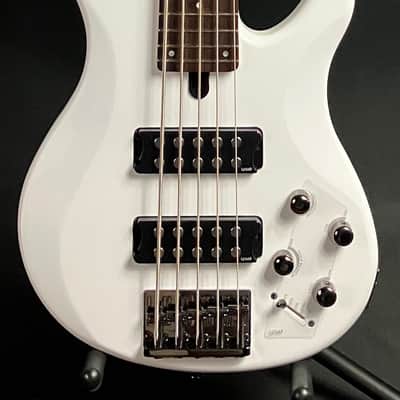
Yamaha BB434
Precision/Jazz hybrid (4-string) · Alder body, maple neck, 2 BB-style pickups (P-J configuration), active/passive switch, 34" scale$300–$420 usedBest for: Best value bass under $400 used, active electronics, P-J versatility, Yamaha reliability
The Yamaha BB434 is the best bass guitar under $400 that most players have never heard of — Yamaha's BB (Broad Bass) series uses a proprietary pickup design in P-J configuration with both active and passive modes. The active preamp adds clarity and punch; the passive mode provides traditional warm bass tone. Yamaha's quality control is legendary. Used at $300–$420, the BB434 delivers more features and more consistent quality than most competing basses in its price range.
What to check used: The BB434's active electronics require a 9V battery — verify the battery is fresh and the battery compartment contacts are not corroded. The active/passive switch should operate cleanly. Some players find Yamaha's BB neck profile slightly different from Fender — play one before committing if neck profile matters significantly to you.
#4
Squier Classic Vibe 70s Jazz Bass
Jazz Bass 70s style (4-string) · Alder body, maple neck, maple fretboard, vintage-style single-coil pickups, block inlays, 34" scale$280–$380 usedBest for: 1970s J-Bass look and tone, maple fretboard brightness, block inlay aesthetic
The Squier Classic Vibe 70s Jazz Bass has the visual and tonal character of a 1970s-era Fender Jazz Bass — maple fretboard (brighter, more snappy than rosewood), block inlays, and the binding of the original 70s J-Bass. The maple fretboard produces a noticeably brighter, more attack-forward tone compared to the rosewood-board 60s version. For slap bass, funk, and players who want 70s Marcus Miller-style brightness, the maple fretboard is the choice. Used at $280–$380.
What to check used: The maple fretboard shows wear more visibly than rosewood — fingerprints and playing wear are more apparent. This is cosmetic. The vintage-output pickups are the same quality as the 60s version; the main difference is the fretboard material and visual appointments.
#5
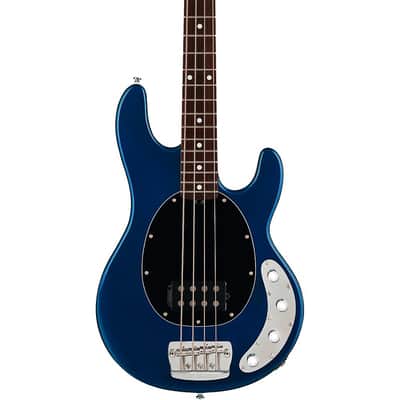
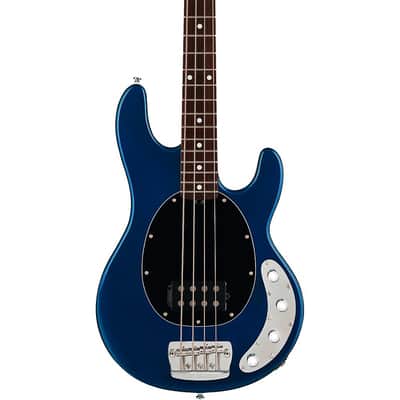
Music Man SUB StingRay
Active humbucker bass (4-string) · Basswood body, maple neck, StingRay-voiced humbucker, active 2-band EQ, 34" scale$350–$480 usedBest for: The StingRay tone at budget price, funk, slap bass, aggressive active electronics, punk
The Music Man SUB StingRay is the affordable version of the Ernie Ball Music Man StingRay — one of the most distinctive and recognizable bass sounds in popular music (used by Flea of RHCP, Tony Levin, most famously on the bass line of 'Give It Away'). The single humbucker with active 2-band EQ produces a punchy, aggressive tone that cuts through a full band mix. Used at $350–$480, the SUB delivers the StingRay character at a price accessible to intermediate players.
What to check used: The SUB StingRay is a China-produced instrument (versus US-made Ernie Ball Music Man models). The quality is good but verify playability carefully: check the neck for warping, the frets for level, and the active electronics for battery compartment condition. The basswood body is lighter than alder but more susceptible to dings.
#6
Schecter Stiletto Studio-4
Active bass (4-string) · Maple/walnut neck-through body, EMG active pickups, 18V active preamp, 34" scale$350–$500 usedBest for: Rock and metal bass, neck-through construction for sustain, EMG active pickups, aggressive tones
The Schecter Stiletto Studio-4 is a neck-through bass with EMG active pickups — the combination produces exceptional sustain (neck-through construction) and aggressive, high-output active tone suited to rock and metal. EMG pickups are used by the majority of professional rock and metal bassists (Steve Harris of Iron Maiden uses a similar active setup). Used at $350–$500, the Stiletto Studio-4 offers premium features (neck-through, active EMGs) at a price far below comparable quality competitors.
What to check used: The 18V active electronics (two 9V batteries) provide higher headroom than standard 9V actives — verify both battery compartment contacts are clean and both batteries are fresh. EMG pickups have very low output impedance and should be used with a direct box or amp with high input impedance for best sound.
#7
Ibanez SR500E
Active bass (4-string) · Ash body, maple/walnut neck, Bartolini MK-1 pickups, Ibanez Custom Electronics 3-band EQ, 34" scale$380–$520 usedBest for: Versatile active bass, thin profile neck for small hands, jazz and rock, wide tonal range
The Ibanez SR500E features Bartolini MK-1 pickups (a well-respected brand in professional bass pickups), a 3-band active EQ with significant cut/boost range, and Ibanez's SR (Soundgear) profile — one of the slimmest neck profiles in production, favored by players with smaller hands or those who prefer a fast, guitar-like neck. The ash body produces bright, articulate tone. Used at $380–$520.
What to check used: The SR neck profile is distinctly slim — players who prefer a fatter neck will find the SR less comfortable. Verify the 3-band EQ boost/cut is functioning in all three bands (bass/mid/treble). The active electronics require a 9V battery; verify the battery compartment seal is intact.
#8
G&L Tribute L-2000
Active/passive multi-mode bass (4-string) · Ash/alder body, maple neck, 2x G&L MFD humbuckers, active/passive, series/parallel, 34" scale$420–$580 usedBest for: The most tonally versatile production bass, Fender heritage through Leo Fender's later work
G&L (George and Leo) was Leo Fender's final guitar company — the L-2000 is his most advanced bass design. The Tribute (Korean-made) L-2000 uses G&L's proprietary MFD (Magnetic Field Design) humbuckers, which are among the highest-output passive pickups available, combined with active electronics, series/parallel wiring, and active/passive modes that produce over a dozen distinct tonal combinations. No production bass at this price has more tonal range. Used at $420–$580.
What to check used: The L-2000's multiple switches (active/passive, series/parallel, treble boost) require learning time to understand all combinations. Read the G&L manual before use. The MFD pickups have very high output that can clip some amp preamp stages at full output — have a plan for managing gain staging.