Affiliate Disclosure: As an eBay Partner Network Affiliate, we earn from qualifying purchases. Treblemakers may also earn commissions from Reverb and other marketplace links. This doesn't affect the price you pay. Learn more

BEST BUDGET
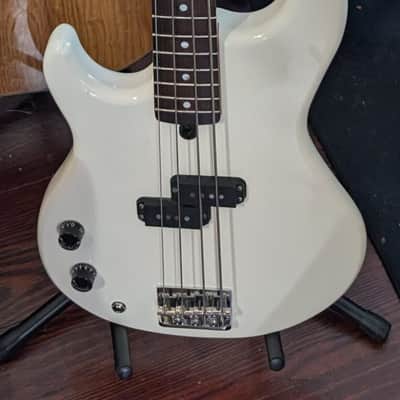
Squier Affinity Precision Bass
$5 on Reverb
STEP UP PICK
Squier Affinity Jazz Bass
$5 on Reverb
FIRST REAL FENDER
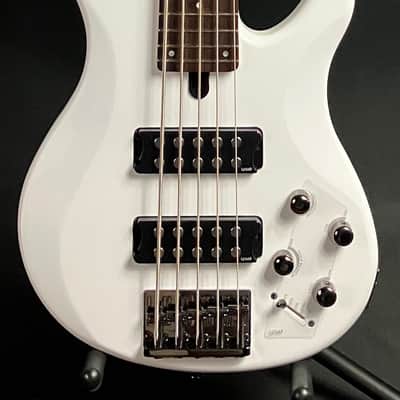
Yamaha TRBX174
$370 on Reverb

The P-Bass vs J-Bass decision is the most important one for beginner bass players. Start with the Precision Bass if you want simplicity and versatility; choose the Jazz Bass if you already know you want funk or slap tones.

All prices below are current used market values (mid-2026). Budget $40–$80 for a professional setup on any used bass.

Precision Bass (P-Bass)

1.75" nut · split single coil · warm, punchy low-end · simpler controls — recommended for most beginners

Jazz Bass (J-Bass)

1.5" nut (narrower) · two single coils · brighter, more versatile · more tonal options — good for funk/slap

The 7 Best Bass Guitar for Beginners

#1

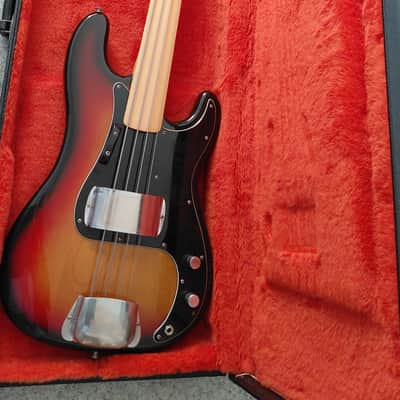
Squier Affinity Precision Bass

Best budget pick · Rock, pop, versatile — the default beginner bass$150–$250 used

Best for: Most beginners — the standard starting recommendation

The Squier Affinity P-Bass is the beginner bass guitar recommendation from most players and teachers. The Precision Bass single-coil split pickup produces a warm, round low-end that sits perfectly in any mix. The P-Bass is the most recorded bass in history — simple, reliable, and impossible to outgrow. The Affinity series is made in China and the quality control has improved significantly since the mid-2000s.

Available now

#2

Squier Affinity Jazz Bass

Budget versatile · Jazz, funk, fingerstyle — two-pickup versatility$160–$260 used

Best for: Players who want J-Bass tones or prefer a narrower neck

The Jazz Bass sibling to the P-Bass — two single-coil pickups (neck and bridge) give you a wider range of tones than the P-Bass single split pickup. The Jazz Bass neck is narrower at the nut (1.5" vs 1.75") which some beginners find easier. The J-Bass produces the funk and slap bass tones that the P-Bass does less naturally. If you know you want a J-Bass tone (Marcus Miller, Jaco Pastorius-style), start here.

Available now

#3

Yamaha TRBX174

Budget alternative · Rock, metal, versatile beginner bass$100–$180 used

Best for: Players who want excellent factory setup from a non-Fender brand

The Yamaha TRBX174 is the main P-Bass competition at the beginner level. Yamaha's quality control is excellent — even entry-level Yamahas are set up consistently from the factory. The TRBX174 has two humbuckers, giving it a quieter, cleaner sound than single-coil designs. The five-way tone selector gives you tonal flexibility. Recommended for players who want something other than a Fender-style instrument.

Available now

#4

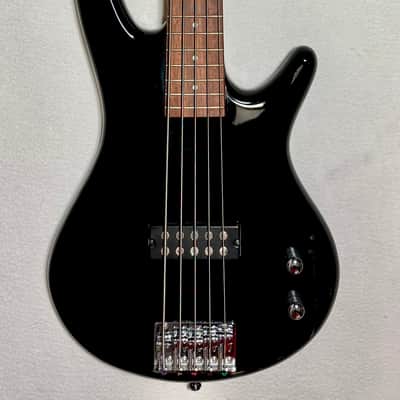
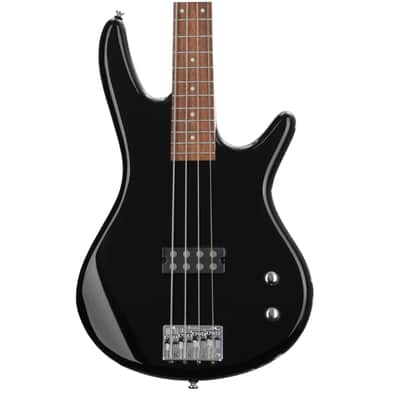
Ibanez GSR200

Budget (active EQ option) · Rock, metal, faster-neck style playing$110–$175 used

Best for: Players coming from guitar who want a fast neck and active tone shaping

The Ibanez GSR200 offers an active EQ option at the beginner price point — that's unusual. The Ibanez neck profile is thinner and faster than Fender-style necks, which suits players who come from guitar and want something closer to that feel. The GSR series has two pickups (Dynamix PJ configuration) that cover P-Bass and J-Bass territory. A good choice if you want metal or rock-specific tones.

Available now

#5

Squier Classic Vibe 60s Precision Bass

Step-up pick · Classic vintage P-Bass tone$350–$500 used

Best for: Players who started on an Affinity and want to step up without buying a Fender yet

The first genuine upgrade from the Affinity series. The Classic Vibe P-Bass uses a more accurate vintage pickup and build specification — alder body, vintage-voiced split coil, and a C-profile neck with period-correct headstock shape. Players who start on an Affinity and want to step up before committing to an actual Fender ($700–$1,000) find the Classic Vibe satisfying enough to keep for years.

Available now

#6

Fender Player Precision Bass

First real Fender · Professional-level P-Bass for serious beginners$450–$650 used

Best for: Committed players who want a bass they won't outgrow

If your budget can reach $450–$650 used, the Fender Player Precision Bass is a significantly better instrument than the Squier Affinity. The Player-series P-Bass uses a better pickup (Alnico V vs ceramic), higher-quality hardware, and much better fret work. This is a bass you won't outgrow — professionals regularly gig with Player-series Fenders. If you can stretch the budget, this is the right move.

Available now

#7

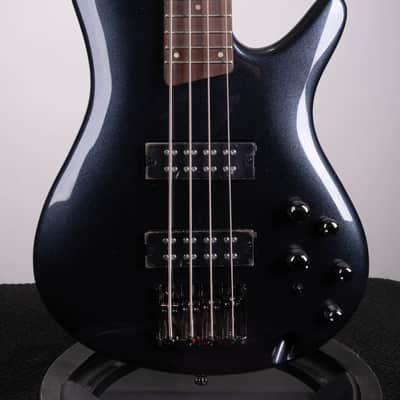
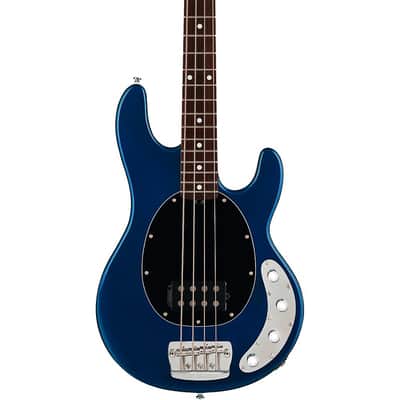
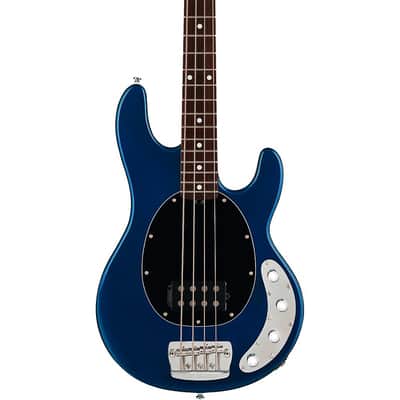
Sterling by Music Man StingRay Ray4

Mid-range alternative · Active punchy tone, slap bass, rock/funk$200–$300 used

Best for: Players who specifically want the Music Man StingRay sound at an accessible price

The Sterling by Music Man Ray4 gives you the Music Man StingRay aesthetic and active humbucker tone at a significant discount over the American-made original ($1,400+). The StingRay's active preamp produces a punchy, scooped midrange that's distinctly different from Fender-style basses — preferred for slap bass and modern rock/metal. If you want that specific sound, this is the most accessible path to it.
Frequently Asked Questions

What bass guitar should a beginner buy?

The Squier Affinity Precision Bass ($150–$250 used) is the standard recommendation for beginner bass players. It gives you the Fender Precision Bass body, pickup, and neck design at an accessible price. The P-Bass is the most universally useful bass guitar across all genres — if you're going to own one bass, it should probably be a P-Bass. Upgrade to a Fender Player P-Bass ($450–$650 used) when your budget and commitment allow.

P-Bass or Jazz Bass for beginners?

P-Bass for most beginners. The Precision Bass has one tone control and one volume control — nothing to think about, nothing to get wrong. It produces the warm, punchy low-end that works in virtually any genre. The Jazz Bass has two pickups and more controls, and its narrower nut (1.5" vs 1.75") is sometimes preferred by smaller-handed players. Choose the Jazz Bass if you specifically want J-Bass tones (funk, slap, Marcus Miller style) or if you already prefer the narrower neck feel.

Is it OK to start on a cheap bass?

Yes — modern budget basses from Squier, Yamaha, and Ibanez are significantly better than budget instruments of 10–15 years ago. A $150–$250 Squier Affinity P-Bass is a real, playable instrument. The main limitation is that budget basses often need professional setup ($40–$80) to play their best — this transforms the instrument. Don't buy the cheapest possible instrument; buy the best you can reasonably afford.

Do I need an amp to play bass?

For silent practice, you can plug into headphones via a headphone amplifier ($40–$80 used) or use a computer with an audio interface and software amp. For playing with others, you need a bass amplifier. A Fender Rumble 25 (used $80–$130) is the standard beginner bass amp recommendation — 25 watts is enough for bedroom practice and small rehearsals. Never run a bass through a guitar amp without caution — the low frequencies can damage guitar speakers not designed for them.

What is the difference between a bass and a guitar?

Bass guitars typically have four strings (compared to guitar's six), a longer scale length (34" vs 25.5"), and produce much lower frequencies. The bass occupies the low-end of the harmonic spectrum — in a band, the bass and drums are the rhythm section. Most bass notes are played one at a time rather than as chords, making bass a different instrumental discipline from guitar.

What gauge strings should a beginner bass player use?

Standard light bass strings (40-95 or 40-100 gauge) are recommended for beginners — easier on the fingers while learning. Many beginner basses come strung with medium gauges (45-100 or 45-105) which work fine. Change strings when they start sounding dull or losing brightness — a fresh set makes an immediate improvement in tone.

Get weekly used gear deals in your inbox

Price drops, new listings, and buyer tips — free, every week.

Unsubscribe any time.

Professional Appraisal

Know what your instrument is worth

Generate an CMA appraisal report in minutes. We pull comparable sold listings from Reverb, eBay, Guitar Center, and more — you select the comps, get statistical analysis, and download a professional PDF. Starting at $8.99.

Related Guides

Compare