#1
Squier Affinity PJ Bass
Bass Guitar · Alder body, PJ pickup config, 20 frets, 34" scale$250 new | $90–$150 usedBest for: Beginners wanting both P-Bass and J-Bass tones in one.
The PJ config lets you blend split-coil P tone (warm, thick) with bridge J pickup (bright, punchy). More versatile than a pure P or J at this price. The Squier name means availability and online resources. Used examples are abundant from players upgrading.
What to check used: The blend knob requires practice to find your sweet spot. Some PJ basses have uneven output between pickups. Check that both pickups work independently. Verify the neck is straight and frets don't buzz.
#2
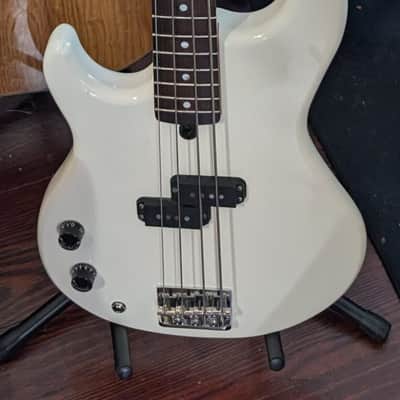
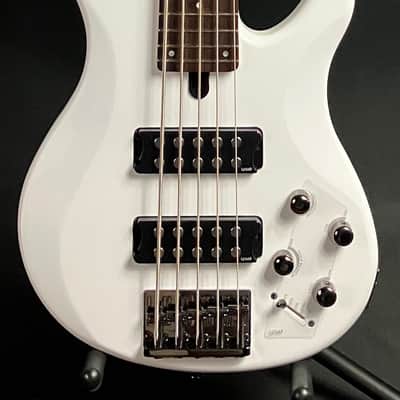
Yamaha TRBX174
Bass Guitar · Agathis body, 2 ceramic pickups, active/passive switch, 22 frets, 34" scale$200–$230 new | $90–$150 usedBest for: Players wanting Japanese brand reliability under $200.
The TRBX174 plays above its price point. Yamaha's manufacturing consistency means every neck arrives properly set up and in tune. Active/passive EQ switch adds versatility for different playing styles. The TRBX174 is the best-built bass in this price range.
What to check used: Active circuitry requires a battery (9V) — check battery compartment for corrosion on used units. The bridge is harder to adjust than Fender-style bridges. The tone is modern and bright (not classic). Resale value is lower than Fender/Squier.
#3
Squier Affinity Jazz Bass
Bass Guitar · Alder body, 2 J-style pickups, 20 frets, 34" scale, maple neck$250 new | $100–$160 usedBest for: Funk, soul, and R&B players; anyone wanting a fast neck.
The J Bass profile (slimmer neck, dual pickups) is preferred by lead bass players. The narrow neck makes chord work and upper-fret access easier than P-Bass. Used Affinity J Basses are abundant from upgraders. If you want funk and agility, this is the choice.
What to check used: Two single-coil pickups buzz together on loud stages (normal). The slimmer neck is harder on thumb grip for beginners. The tone is bright and modern (not warm). Check that both pickups balance in output.
#4
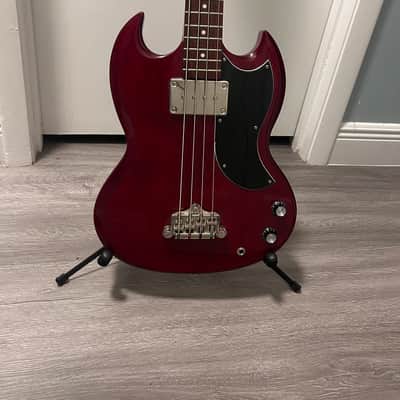
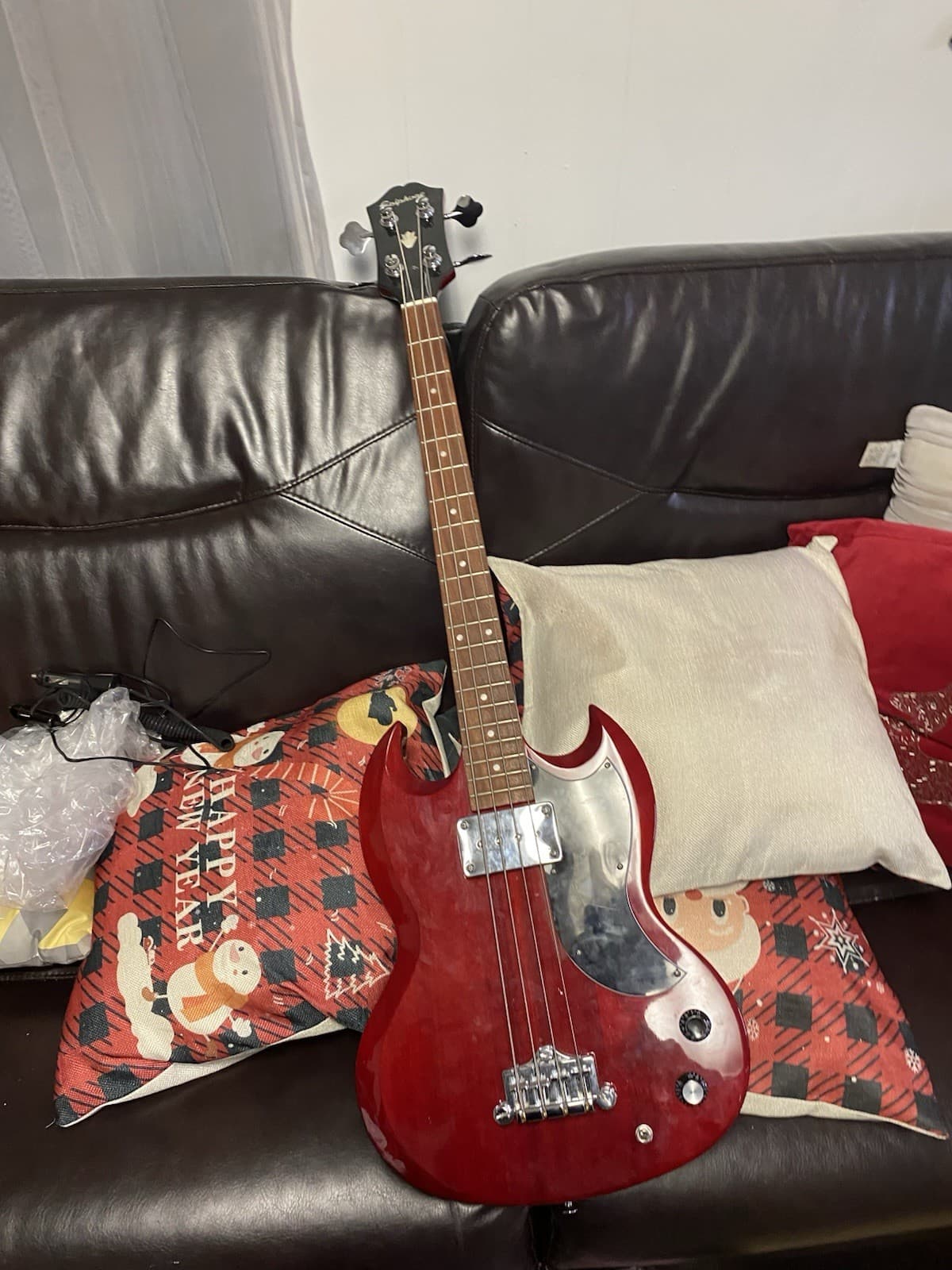
Epiphone EB-0
Bass Guitar · Mahogany body, sidewinder humbucker, 20 frets, short-scale (30.5")$200 new | $80–$130 usedBest for: Players with smaller hands or transitioning from guitar.
Short-scale (30.5" vs 34" standard) reduces string tension and stretching. Warm, thumpy SG-style humbucker tone suits classic rock and soul. The EB-0 is iconic in rock music. Lighter than full-scale basses, good for young or smaller players.
What to check used: Short-scale strings feel looser — takes practice to adjust. The single humbucker can buzz if the amp is pushed hard. Resale value is lower because short-scale basses are niche. Check the nut for cracks (common on cheap basses).
#5
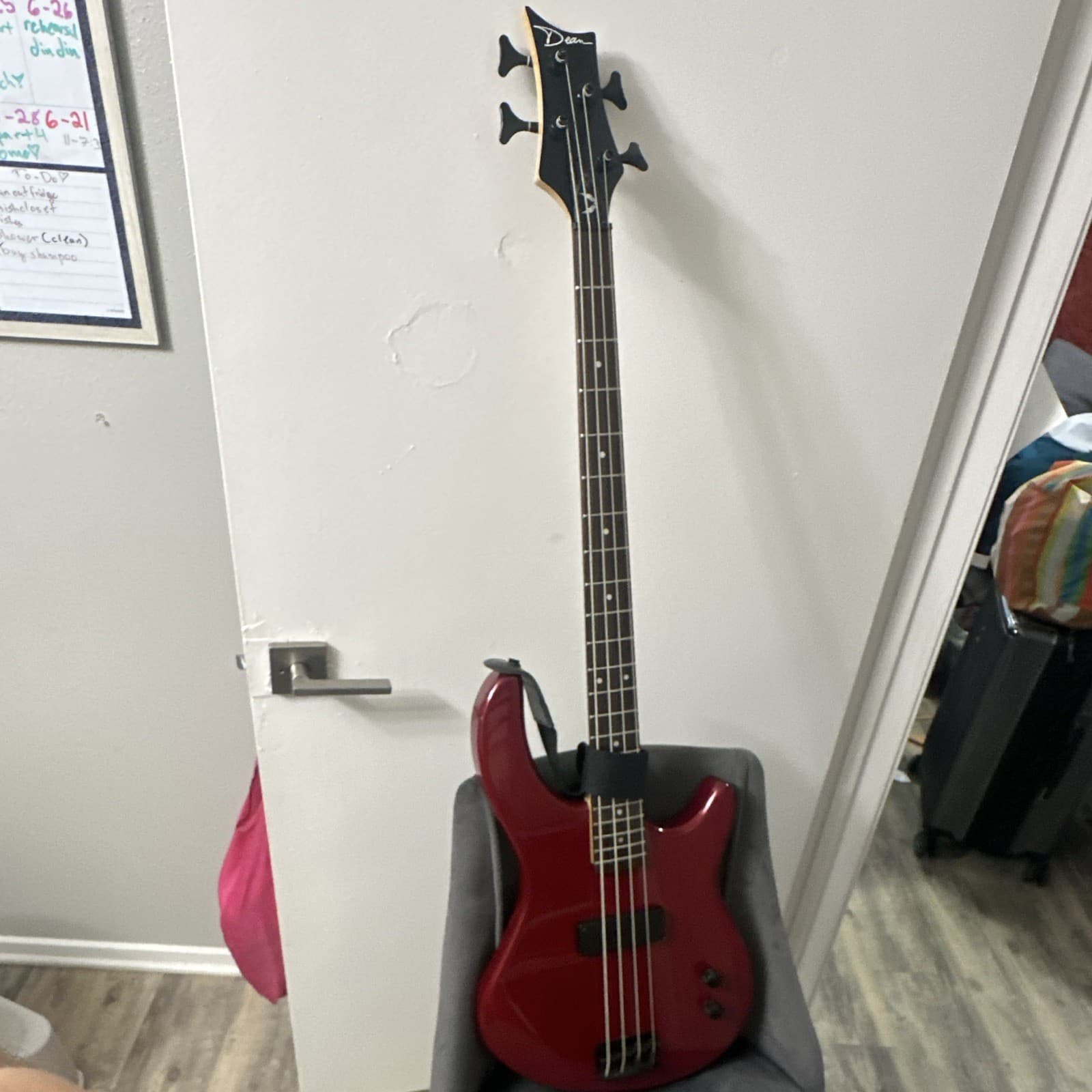
Dean Edge 09
Bass Guitar · Basswood body, 2 humbuckers, active preamp, 24 frets, 34" scale$130–$160 newBest for: Players wanting active electronics at the lowest possible price.
Active preamp with bass/treble boost is normally found on $400+ instruments. Dean's construction is budget but the electronics punch above weight. 24 frets give you high-fret access. Great for metal and heavy music.
What to check used: Basswood body is bright and modern-sounding (not warm). Resale value is low because Dean basses aren't as sought-after as Fender. Battery is required for active preamp. The preamp can make the tone too aggressive for jazz or classic rock.
#6
Peavey Millennium BXP
Bass Guitar · Alder body, P/J pickups, 22 frets, 34" scale, 3-band EQ$150–$200 usedBest for: Players wanting durability and repairability above all else.
Peavey basses are built like tanks. The Millennium BXP used is extremely reliable for gigging at budget prices. P/J config gives versatility. 3-band EQ is better than passive controls. If you want a bass that lasts 20 years, Peavey is the brand.
What to check used: Hard to find new (discontinued model). Used examples are abundant at pawn shops and Craigslist. Heavier than comparable basses (all-mahogany construction). The tone is warm but boring compared to modern instruments.
#7
Ibanez GSRM20 Mikro
Short-Scale Bass · Poplar body, 2 pickups, 22 frets, compact 28.6" scale, lightweight$150–$200 new | $80–$120 usedBest for: Kids ages 8–14, smaller players, or travelers.
The Mikro is the definitive kids' bass — properly sized, plays in tune, and produces surprisingly full tone from its compact body. Lightweight makes it comfortable for young shoulders. Used examples are common as kids grow up.
What to check used: Strings are harder to find (28.6" scale is proprietary). Not suitable for adults unless you prefer compact feel. Resale is lower because it's niche. The small body limits resonance compared to full-scale.