#1
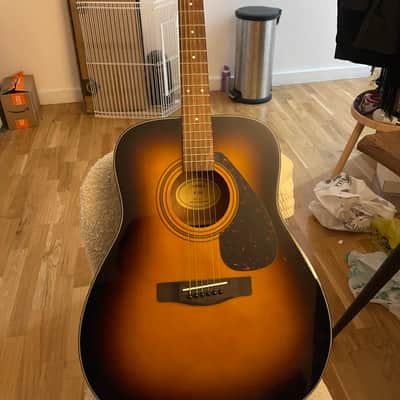
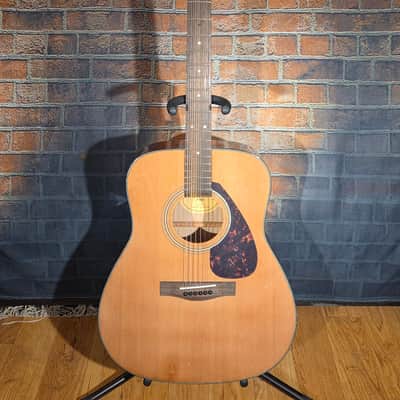
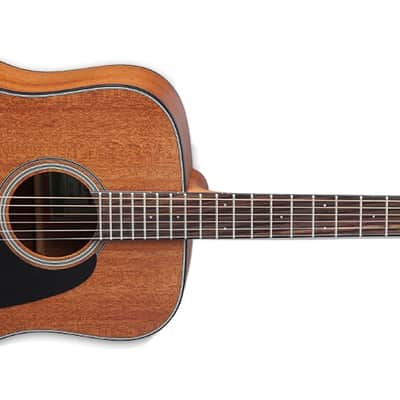
Yamaha FG830
Solid top dreadnought (best value at price) · Solid Sitka spruce top, rosewood back/sides (or ovangkol on some runs), 25.6-inch scale, scalloped X-bracing, die-cast tuners$300–$380 new / $200–$290 usedBest for: Best all-around acoustic under $400, solid spruce top at accessible price, Yamaha reliability, flatpicking and strumming
The Yamaha FG830 is the recommended acoustic guitar in the under-$400 range — a solid Sitka spruce top with scalloped X-bracing produces significantly better resonance than the laminate-top guitars that dominate this price tier. Yamaha's quality control at this price is outstanding. The FG830's balanced tone (clear highs, defined lows) suits fingerpicking, strumming, and flatpicking. For players who want the best tone-per-dollar in the mid-budget range, the FG830 is consistently the top pick. Used at $200–$290.
What to check used: The FG830 uses rosewood-equivalent ovangkol back and sides (some production runs) rather than solid rosewood or solid mahogany — the tone is excellent but it is a less prestigious tonewood than what Martin or Taylor use at higher price points. The FG830's strength is the solid spruce top and scalloped bracing, not exotic tonewoods.
#2
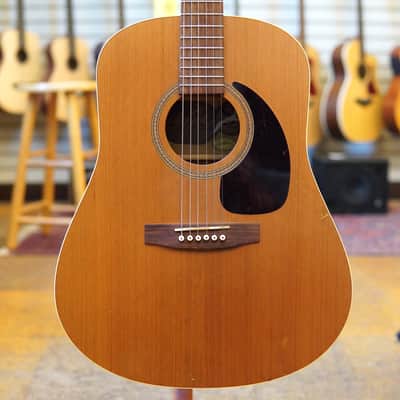
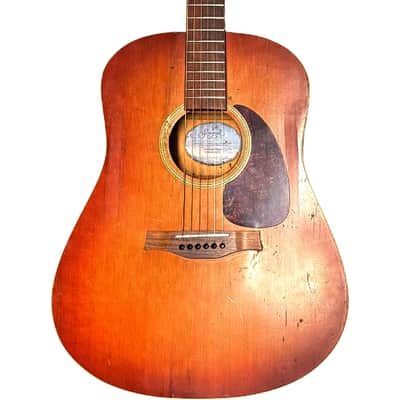
Seagull S6 Original
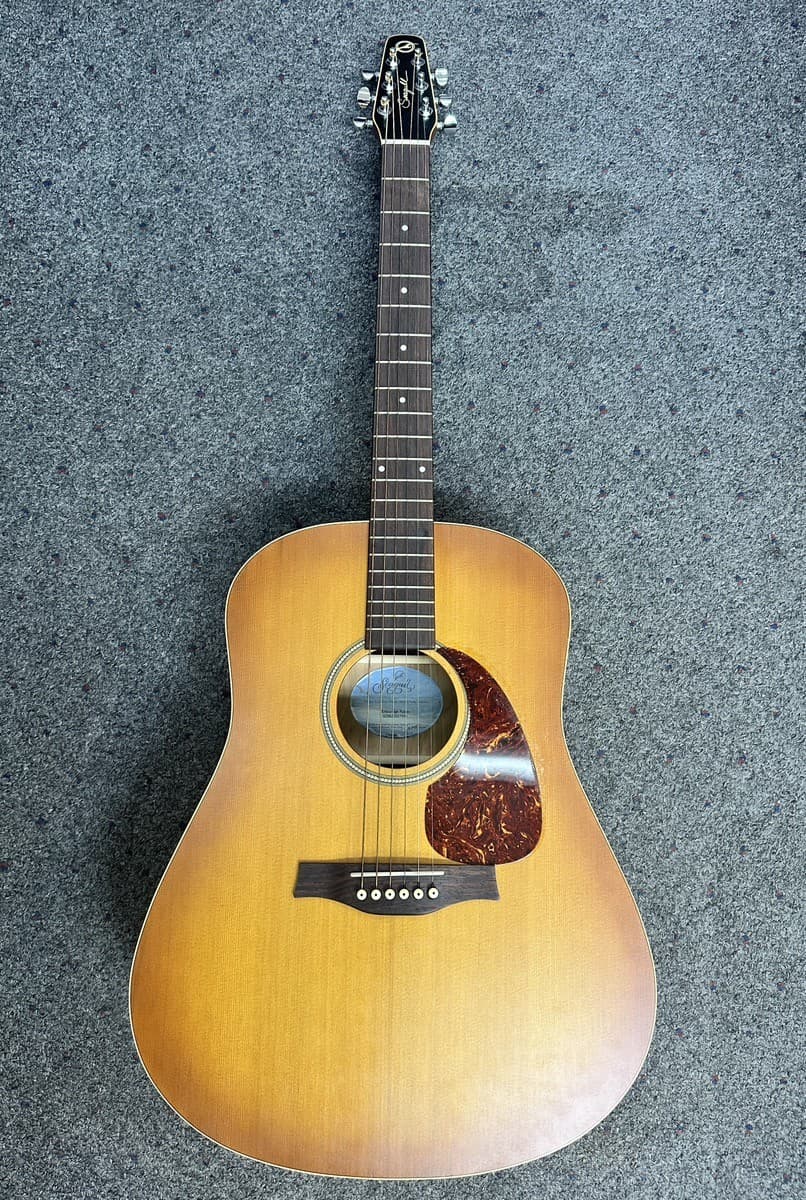
Solid cedar top (Canadian-made) · Solid cedar top, wild cherry back/sides, 25.5-inch scale, silver leaf maple neck, compensated bone nut, Canadian craftsmanship$420–$480 new / $280–$380 usedBest for: Cedar top warmth, Canadian-made quality at mid-range price, wider nut for fingerpicking, Seagull heritage craftsmanship
The Seagull S6 is the Canadian alternative to the Yamaha FG830 — solid Canadian cedar top (warmer than spruce, excellent for fingerpicking and vocal accompaniment), silver leaf maple neck, and compensated bone nut from the factory. The S6 is made in Canada by Godin Guitars and quality control is excellent. The wider nut (1.8 inches) is particularly appreciated by fingerpickers and players transitioning from classical guitar. Used at $280–$380.
What to check used: Cedar tops sound different from spruce — warmer and slightly rounder, with less initial brightness. Players who want the crisp, projecting tone of spruce dreadnoughts for flatpicking should choose the FG830 or Taylor Academy 10 instead. The Seagull S6 is specifically recommended for fingerpicking, folk, and vocal accompaniment styles.
#3
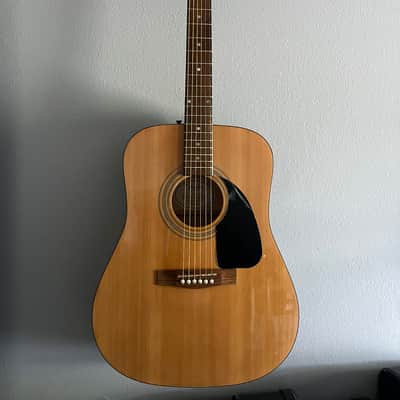
Fender CD-60S
Budget solid top dreadnought (Fender brand) · Solid Sitka spruce top, mahogany back/sides, 25.3-inch scale, Fender roll-edge comfort neck, scalloped X-bracing$200–$250 new / $130–$200 usedBest for: Best sub-$200 solid top acoustic, Fender brand recognition, comfort neck profile, entry into solid spruce
The Fender CD-60S is the entry-level solid-top acoustic guitar — at $130–$200 used, it provides a solid Sitka spruce top at the lowest available price tier. The mahogany back and sides produce warm tone, and the rolled fretboard edges make the neck comfortable for beginner players. For players on tight budgets who still want the tonal improvement of a solid top over laminate, the CD-60S is the recommendation. Used at $130–$200.
What to check used: The CD-60S at $130–$200 used is at the low end of what produces a satisfying acoustic tone — players who need to stay at this budget level should be satisfied with the CD-60S, but those who can stretch to $200–$290 used (Yamaha FG830) will get noticeably better tone and construction quality.
#4
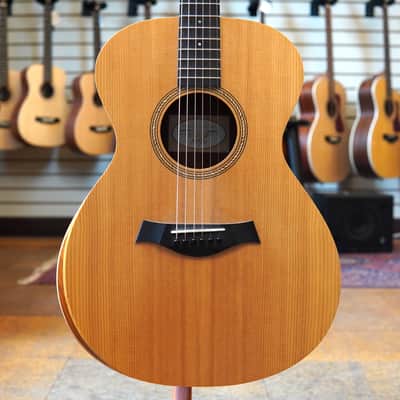
Taylor Academy 10
Entry-level Taylor solid top dreadnought · Solid Sitka spruce top, layered sapele back/sides, 25.5-inch scale, Taylor ES-B electronics, Taylor bracing architecture$400–$450 new / $280–$360 usedBest for: Taylor brand playability, entry Taylor neck profile, electronics for performance, bright Taylor acoustic character
The Taylor Academy 10 is the entry point into Taylor's guitar lineup — Taylor is known for precise, bright acoustic tone and exceptional playability. The Academy 10's solid spruce top and Taylor bracing produces the characteristic Taylor clarity and articulation at mid-range prices. The built-in ES-B electronics (battery-powered, no cable needed) provide quality acoustic performance amplification. For players who specifically want the Taylor playing experience, the Academy 10 delivers it. Used at $280–$360.
What to check used: The Taylor Academy 10 uses layered (engineered) sapele back and sides — not solid wood. The solid spruce top provides genuine resonance, but the layered back and sides limit low-mid depth compared to all-solid-wood instruments. The Academy 10's strength is playability and electronics for performance; pure acoustic tone quality belongs to the Seagull S6 and Yamaha FG830 at comparable used prices.
#5
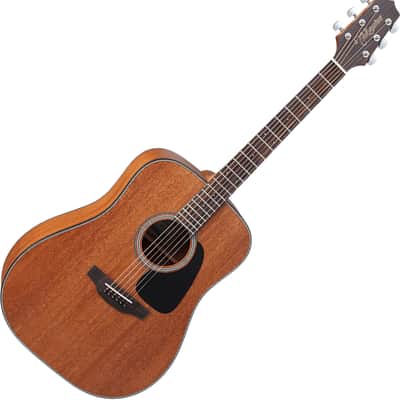
Takamine GD93CE
Solid top with quality electronics · Solid spruce top, rosewood back/sides, NEX body, Takamine TP-4T electronics, cutaway, 25.4-inch scale$400–$480 new / $270–$380 usedBest for: Quality amplified acoustic performance, Takamine electronics reputation, cutaway for upper fret access, versatile performance guitar
Takamine is the acoustic guitar brand with the strongest reputation for acoustic-electric performance — their guitars are chosen by professional performer-songwriters specifically because the built-in electronics produce reliable, feedback-resistant amplified tone. The GD93CE provides a solid spruce top, rosewood back and sides, and the Takamine TP-4T preamp in a cutaway body at $270–$380 used. For players who perform live and need reliable acoustic amplification, Takamine's electronics track record is unmatched at this price. Used at $270–$380.
What to check used: Takamine's strength is in electronics and performance reliability — the raw acoustic (unplugged) tone quality is excellent but not the primary reason to choose a Takamine over a Yamaha or Seagull. For purely acoustic home playing without amplification, the Yamaha FG830 or Seagull S6 are better tone values. The Takamine is the recommendation for performers.
#6
Breedlove Discovery S Concerto
All-solid US-designed acoustic (mid-range) · Solid Sitka spruce top, solid African mahogany back/sides, Concerto body (modified OM), 25.5-inch scale, Breedlove bracing$450–$550 new / $300–$420 usedBest for: All-solid construction at mid-range price, Breedlove American design, warm mahogany back/sides, fingerpicking and folk
The Breedlove Discovery S Concerto is an all-solid acoustic guitar in the mid-range price tier — solid Sitka spruce top with solid African mahogany back and sides at $300–$420 used. Breedlove is an Oregon-based acoustic guitar brand that focuses on quality construction. The Concerto body (similar to a large OM) produces a balanced, articulate tone with solid mahogany warmth. For players who want all-solid construction without Martin pricing, Breedlove provides it. Used at $300–$420.
What to check used: Breedlove uses non-traditional body shapes and bracing configurations that produce good tone but different from traditional Martin/Gibson specifications. Players who specifically want the classic dreadnought or OM tone character should compare the Breedlove's tone with traditional instruments before committing.
#7
Recording King RD-328
Best value Adirondack dreadnought for flatpickers · Solid Adirondack spruce top, solid Indian rosewood back/sides, scalloped X-bracing, open-back tuners$400–$450 new / $280–$380 usedBest for: Adirondack spruce character at accessible price, flatpicking tone, all-solid construction, bluegrass-oriented players
The Recording King RD-328 is the recommended choice for players who specifically want Adirondack spruce (the traditional American tonewood used in pre-war Martins) at a mid-range price. Adirondack spruce produces more volume, punch, and harmonic complexity than Sitka spruce — it is the tonewood of choice for flatpickers and bluegrass players. The all-solid construction (Adirondack top, rosewood back/sides) provides professional tone character at accessible pricing. Used at $280–$380.
What to check used: Recording King quality control requires inspection — fret finishing, nut and saddle quality, and setup are less consistent than Yamaha or Taylor. Plan on a setup ($50-80) for any Recording King instrument. The tonewoods and bracing are excellent for the price; the factory setup and finishing are the variable.
#8
Blueridge BR-140A
Pre-war-style vintage-inspired dreadnought · Solid Adirondack spruce top, solid mahogany back/sides, hide glue construction, scalloped X-bracing, bone nut and saddle$480–$560 new / $330–$450 usedBest for: Pre-war Martin character at accessible price, Adirondack spruce with mahogany back/sides, hide glue construction warmth
The Blueridge BR-140A is inspired by the pre-war Martin 000-28 construction — Adirondack spruce top, solid mahogany back and sides, hide glue construction, and bone nut and saddle all combine to produce vintage-style acoustic character at modern mid-range prices. The mahogany back and sides produce a warmer, more focused tone than rosewood — ideal for fingerpicking and singer-songwriter styles. For players who want old-world construction methods at accessible prices, the Blueridge BR-140A delivers. Used at $330–$450.
What to check used: Blueridge instruments are made in China — the craftsmanship quality is excellent at the price and the materials are genuine, but the manufacturing provenance differs from American brands. Some players prefer American-made or Canadian-made instruments regardless of quality comparison. Blueridge is the recommendation for tone-focused buyers who prioritize tonewoods and construction method over country of origin.