#1
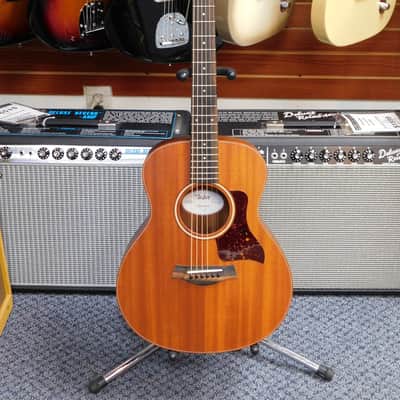
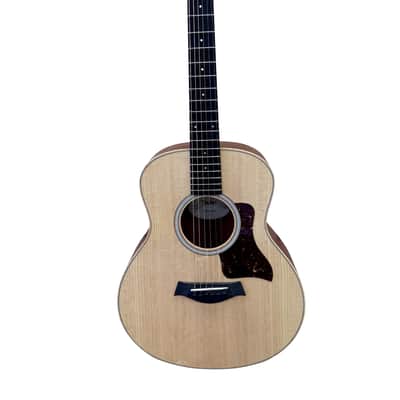
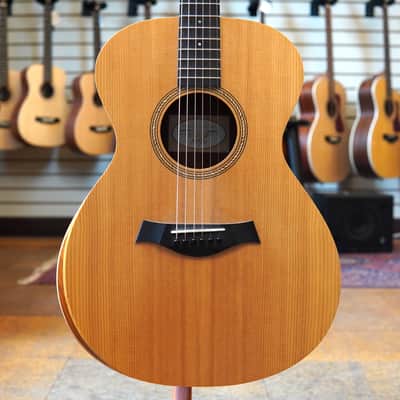
Taylor Academy 12
All-solid Taylor at the most accessible Taylor price · Solid Sitka spruce top, solid sapele back/sides, Taylor neck, grand concert body, Taylor ES-B pickup system$800–$900 new / $550–$720 usedBest for: Best acoustic guitar under $1,000, Taylor quality and playability at accessible price, built-in pickup system, all-solid construction
The Taylor Academy 12 is the recommended acoustic guitar under $1,000 — the Academy series is Taylor's entry into all-solid construction, providing the legendary Taylor playability (low, comfortable action, easy string access) with solid Sitka spruce and sapele construction. The ES-B pickup system is included for acoustic-electric capability. Taylor's playability advantage is real: the neck angle and factory setup are consistently comfortable. At $550–$720 used, the Academy 12 provides genuine Taylor quality at accessible prices. Used at $550–$720.
What to check used: The Taylor Academy 12 uses sapele for back and sides rather than rosewood or mahogany — sapele is a related tonewood with slightly brighter character than mahogany. The tone is excellent but players who specifically want the warm mahogany character should compare the Taylor Academy 12 with the Martin 000-15M before deciding.
#2
Martin 000-15M
All-mahogany OM (fingerpicking specialist) · Solid mahogany top, back and sides, 000 body, 24.9-inch scale, satin finish, no binding, 14-fret join$850–$950 new / $580–$780 usedBest for: Best acoustic guitar for fingerpicking and vocals, all-mahogany warmth and focus, Martin heritage without high price, country and folk acoustic tone
The Martin 000-15M is the recommended acoustic guitar for players who play fingerstyle or accompaniment to vocals — all-mahogany construction produces a warm, dry, focused tone that sits behind the voice rather than competing with it. The 000 body is smaller than a dreadnought, significantly more comfortable for extended playing. Martin's build quality at this price is unmatched for fingerpickers and singer-songwriters. Used at $580–$780.
What to check used: The 000-15M's all-mahogany construction is specifically optimized for warmth and vocal accompaniment — it is less loud and projecting than rosewood-backed dreadnoughts. Flatpickers who want volume and projection should consider the Martin D-15M (dreadnought version) or an Eastman E6D for more projection.
#3
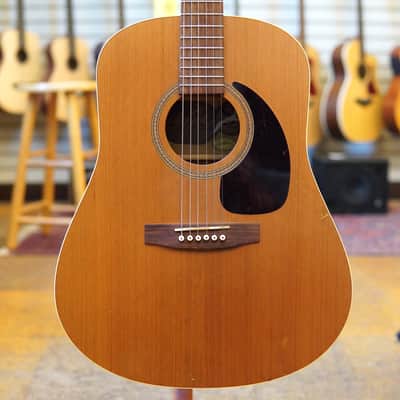
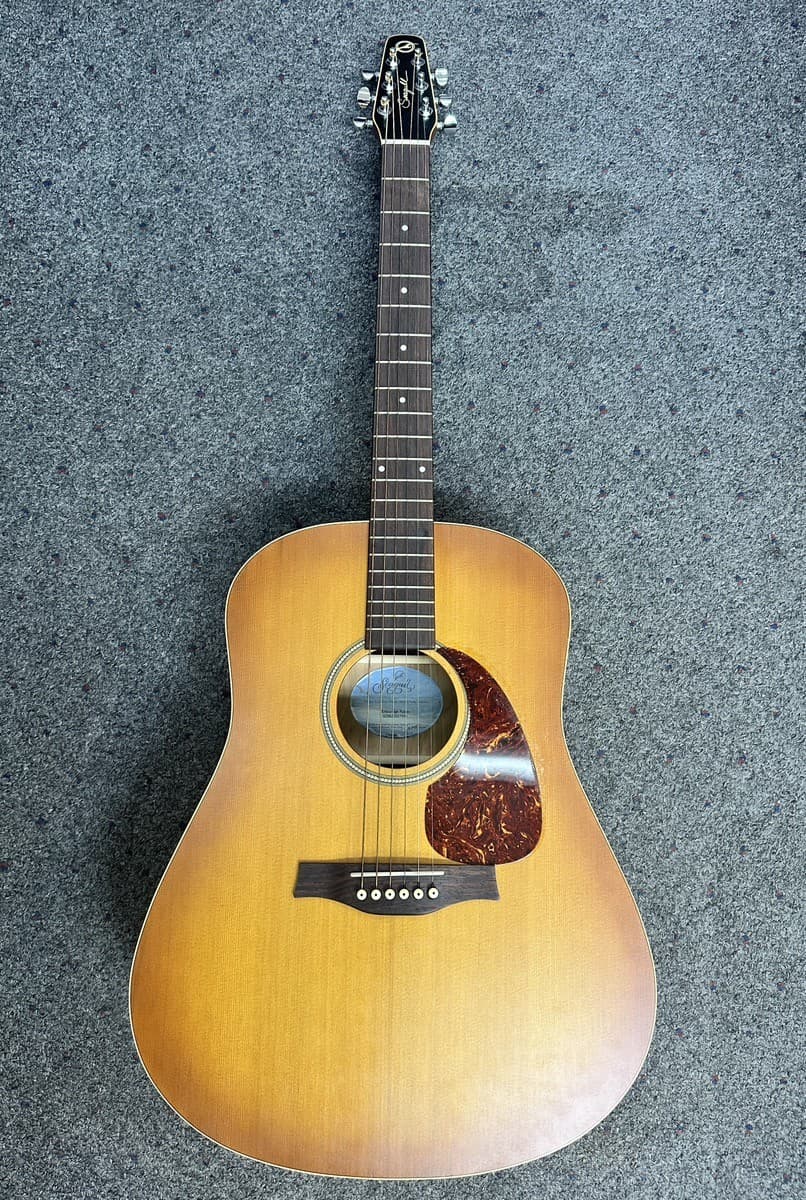
Seagull Artist Mosaic
Canadian all-solid with unique tonewoods · Solid cedar top, solid rosewood back/sides, 25.5-inch scale, Seagull silver leaf maple neck, hand-finished, Canadian craftsmanship$800–$900 new / $550–$740 usedBest for: Cedar top warmth for fingerpicking and recording, Canadian craftsmanship, unique tonewood combination not found in mainstream brands
The Seagull Artist Mosaic is the recommended choice for players who want cedar top warmth — cedar-topped guitars respond better at lighter touch than spruce, making them ideal for fingerpickers and players with lighter technique. Seagull is a Canadian brand (subsidiary of Godin) with exceptional quality control. The solid rosewood back and sides provide the full, warm low-end that complements the cedar top's warmth. At $550–$740 used, the Mosaic is exceptional value for all-solid cedar/rosewood construction. Used at $550–$740.
What to check used: Cedar tops respond differently to playing: they open up quickly (sound better sooner than spruce tops, which require months of playing to develop full tone) but can sound slightly 'soft' or 'wooly' to players accustomed to bright spruce tops. Seagull is less commonly stocked than Taylor or Yamaha — specialty dealers typically carry them.
#4
Eastman E6D
All-solid dreadnought for flatpicking and strumming · Solid Sitka spruce top, solid Indian rosewood back/sides, 25.5-inch scale, traditional herringbone-style binding$700–$800 new / $480–$640 usedBest for: Full dreadnought volume and resonance for flatpicking and strumming, all-solid rosewood and spruce quality at mid-range price, exceptional value
The Eastman E6D is the recommended all-solid dreadnought at this price range — solid Sitka spruce top and solid Indian rosewood back and sides produce the classic dreadnought flatpicking and strumming tone at $480–$640 used. Eastman's workshop quality is consistently excellent; the instruments regularly outperform their price point expectations. For players who want the classic dreadnought acoustic sound (Martin D-28 character) without the Martin price, the Eastman E6D is the recommendation. Used at $480–$640.
What to check used: Eastman availability is through specialty dealers — less accessible than Taylor or Yamaha through Guitar Center. The quality investment is real and the instruments are well-regarded by players who discover them, but the initial purchase may require finding a specialty acoustic dealer or the used market.
#5
Yamaha FG850
Budget all-solid for reliability and versatility · Solid Sitka spruce top, solid mahogany back/sides, 25.6-inch scale, traditional gloss finish, scalloped bracing$500–$600 new / $340–$460 usedBest for: Most accessible all-solid construction, Yamaha reliability, solid mahogany back/sides warmth, versatile dreadnought for all styles
The Yamaha FG850 is the recommended entry into all-solid acoustic guitar construction — the step from laminate-back (FG800) to solid-back (FG850) is audible and represents genuine tonal improvement. Yamaha's build quality and consistency are unmatched at this price tier. For players who want all-solid construction at the lowest possible price, the FG850 is the recommendation. Used at $340–$460.
What to check used: The Yamaha FG850's solid mahogany back and sides produce a warmer, less projecting tone than rosewood back and sides. Players who want maximum volume and brightness for performance should compare the FG850's tone with a rosewood-backed instrument before deciding. The tone is excellent for home playing and recording; less ideal for performers who need maximum acoustic projection.
#6
Blueridge BR-160
Vintage-style dreadnought with Adirondack spruce top · Solid Adirondack spruce top, solid Indian rosewood back/sides, 25.4-inch scale, hide glue construction, vintage-style forward scalloped bracing$1,000–$1,200 new / $680–$950 usedBest for: Vintage 1930s dreadnought construction with Adirondack spruce punch, hide glue for traditional resonance, bluegrass and folk flatpicking character
The Blueridge BR-160 is the recommended guitar for players who specifically want Adirondack spruce top characteristics — Adirondack spruce is stiffer and louder than Sitka, producing more punch and projection for flatpicking. Combined with hide glue construction (associated with vintage 1930s instrument tonal response), the BR-160 is the closest modern instrument to vintage pre-war flatpicking dreadnoughts at accessible prices. Used at $680–$950.
What to check used: The Blueridge BR-160 is specifically optimized for flatpicking volume and punch — the tone is less 'refined' and more 'raw' compared to Taylor or Martin instruments. This is the correct choice for bluegrass flatpickers; less appropriate for fingerpickers or players who want the polished, smooth tone of Taylor or Martin instruments.
#7
Taylor 114ce
Taylor acoustic-electric with Grand Auditorium body · Solid Sitka spruce top, layered walnut back/sides, 25.5-inch scale, Taylor ES-T pickup, Grand Auditorium body, cutaway$900–$1,000 new / $600–$780 usedBest for: Acoustic-electric performance, Taylor Grand Auditorium body versatility, cutaway for upper fret access, Taylor playability and ES-T pickup quality
The Taylor 114ce is the recommended acoustic-electric in this price range — the Grand Auditorium body provides balanced tone between dreadnought volume and concert-size warmth, the cutaway allows comfortable access to upper frets for lead playing, and the ES-T pickup is Taylor's improved pickup system for live performance. The 114ce uses layered walnut back and sides (not all-solid) but the solid Sitka spruce top and Taylor construction quality are excellent. Used at $600–$780.
What to check used: The Taylor 114ce's layered walnut back and sides are not all-solid — the back and sides use Taylor's 'layered' construction (high-quality laminate with solid-looking exterior). This is typical for Taylor's 100-series instruments and produces good tone, but players who specifically require all-solid construction should budget for the Taylor Academy 12 or 200-series instead.
#8
Recording King RD-328
All-solid Adirondack dreadnought on a budget · Solid Adirondack spruce top, solid Indian rosewood back/sides, 25.4-inch scale, scalloped X-bracing, limited-quantity production$400–$450 new / $280–$380 usedBest for: Adirondack spruce at the lowest price available, all-solid construction at exceptional value, budget-conscious flatpickers and folk players
The Recording King RD-328 is the most affordable all-solid Adirondack spruce guitar — Adirondack spruce is rare and expensive, typically reserved for guitars over $2,000. Recording King's workshop construction makes Adirondack accessible at $280–$380 used. The RD-328 rewards a setup investment but the raw materials are genuinely superior for the price. Used at $280–$380.
What to check used: Recording King quality control requires a setup investment ($50-80 from a luthier) — the nut, saddle, and fret work are not finished to the standard of Martin or Taylor. The tonewoods are genuine; the assembly quality is functional but rough. Budget for a setup when purchasing any Recording King instrument.
#9
Martin D-15M
All-mahogany dreadnought (warm strumming and strumming) · Solid mahogany top, back and sides, dreadnought body, 25.4-inch scale, satin finish, scalloped bracing, Martin construction$900–$1,000 new / $620–$800 usedBest for: All-mahogany Martin warmth in dreadnought size, strumming and flatpicking with warmth over brightness, singer-songwriters who need dreadnought volume
The Martin D-15M is the dreadnought version of the 000-15M — all-mahogany construction in the larger dreadnought body provides more volume and projection than the smaller 000, while retaining the warm, dry, focused tone that makes Martin all-mahogany guitars distinctive. For singer-songwriters who need dreadnought volume but want warmth rather than brightness, the D-15M is the recommendation. Used at $620–$800.
What to check used: The Martin D-15M's all-mahogany construction is different from Martin instruments with rosewood back and sides — players who want the classic bright, projecting Martin dreadnought tone (D-28, HD-28) need a spruce top and rosewood construction, not the D-15M's all-mahogany warmth. Confirm which Martin character you want before purchasing.