#1
Shure SM7B
Dynamic broadcast microphone · Cardioid dynamic, 50Hz-20kHz, 42dB gain reduction with pad, internal shock mount, presence peak, XLR output$250–$380 usedBest for: Industry-standard broadcast mic, vocals in untreated rooms, podcast and radio standard
The Shure SM7B is the most iconic microphone in broadcast and podcast — used by Joe Rogan, Michael Jackson (Thriller), and professional radio stations worldwide. The dynamic capsule rejects room noise better than condensers, making it ideal for home recording in untreated spaces. The internal shock mount isolates vibration. The presence peak in the midrange adds presence and clarity to vocals. SM7B requires significant preamp gain (60dB) — verify your interface has adequate gain. Used at $250–$380.
What to check used: The SM7B requires approximately 60dB of clean preamp gain — budget interfaces may struggle at near-maximum gain levels. The Cloudlifter CL-1 ($140) adds passive 25dB boost using phantom power. Factor this into the total cost if your interface lacks adequate preamp gain. Open-back capsule design is delicate — handle with care.
#2
Neumann TLM 103
Professional large-diaphragm condenser · Cardioid condenser, 20Hz-20kHz, 7dB self-noise, transformerless, 138dB SPL, German-made XLR output$700–$950 usedBest for: Industry-standard vocal microphone, professional studio quality, most common major-label vocal mic
The Neumann TLM 103 is the most common professional studio vocal microphone — it appears on more major-label recordings than any other microphone. Neumann's transformerless design produces an open, extended high-frequency response with exceptional low self-noise (7dB). The TLM 103 captures vocals with clarity and presence. For serious home studio vocal recording, the TLM 103 is the microphone that produced the recordings you love. Used at $700–$950.
What to check used: The TLM 103's clarity is unforgiving on untreated vocal performances — it captures everything accurately, including room reflections. Acoustic treatment is not optional at this price point. The extended top-end can sound harsh on poor-quality source material.
#3
Audio-Technica AT2020
Large-diaphragm condenser · Cardioid condenser, 20Hz-20kHz, 149dB SPL, requires 48V phantom power, smooth response, XLR output$60–$90 usedBest for: Budget studio standard, vocals and acoustic instruments, entry-level professional condenser
The Audio-Technica AT2020 is the most popular budget condenser microphone — at $60–$90 used, it provides clean, detailed large-diaphragm sound quality that is a significant step above dynamic microphones for vocal and acoustic instrument recording. The cardioid pattern rejects side and rear noise. The smooth, slightly bright response flatters vocals. For home recording on a budget, the AT2020 is the universal recommendation.
What to check used: The AT2020 requires 48V phantom power from an audio interface. Large-diaphragm condensers pick up room reflections more than dynamic microphones — recording space quality matters significantly. In an untreated room, consider a dynamic microphone (SM7B, SM57) instead.
#4
Rode NT1
Large-diaphragm condenser · Cardioid condenser, 20Hz-20kHz, ultra-low 4.5dB self-noise, includes shock mount and pop filter, XLR output$180–$250 usedBest for: Professional vocal mic with lowest self-noise, detailed and smooth, best value professional condenser
The Rode NT1 is a significant step up from the AT2020 — its 4.5dB self-noise is among the lowest of any condenser at any price (Neumann U87 is 12dB). Ultra-low noise floor produces exceptional clarity on quiet vocal passages and delicate performances. The NT1 package includes a Rycote shock mount and pop filter ($50+ value). For professional home recording, the NT1 competes with condensers costing double the price. Used at $180–$250.
What to check used: The Rode NT1's neutral character and low noise floor reveal room reflections clearly — acoustic treatment is important. The inclusion of shock mount and pop filter means the package price is significantly lower than buying separately.
#5
Shure SM57
Dynamic instrument microphone · Cardioid dynamic, 40Hz-15kHz, 1/2-inch diaphragm, presence peak, rugged construction, XLR output$55–$85 usedBest for: Most versatile instrument mic, snare drums, guitar amps, universal close-miking tool
The Shure SM57 is the most versatile microphone for recording instruments — used on guitar amps, snare drums, brass instruments, and as a general-purpose close-miking tool. The presence peak adds clarity and attack to instruments. The rugged construction can handle high SPL levels from guitar amps. The SM57 is found in every professional studio and is a Swiss Army knife of microphones. Used at $55–$85.
What to check used: The SM57 is not a vocal microphone — while some producers use it on vocals, it is less flattering than large-diaphragm condensers or the SM7B. The presence peak can be too aggressive for certain vocal styles. Best used for instruments.
#6
Audio-Technica AT4040
Large-diaphragm condenser · Cardioid condenser, 20Hz-20kHz, 148dB SPL, transformerless, flat-to-presence response, XLR output$250–$350 usedBest for: Professional vocal condenser, significant upgrade from AT2020, neutral detailed response
The Audio-Technica AT4040 is AT's professional vocal condenser — a significant quality improvement from the AT2020. The transformerless circuit produces a cleaner, more open sound with extended frequency response. The AT4040 is widely regarded as one of the best microphones under $400 for professional home vocal recording. Used at $250–$350, it competes with condensers costing significantly more.
What to check used: Like all condensers, the AT4040 requires an acoustically treated recording space. The neutral response does not add artificial warmth — it accurately reproduces what you sing, revealing vocal technique flaws.
#7
Electro-Voice RE20
Dynamic broadcast microphone · Cardioid dynamic, 45Hz-18kHz, internal shock mount, bass rolloff switch, presence peak, XLR output$280–$420 usedBest for: Broadcast standard, radio voices, bass extension, warm dynamic character
The Electro-Voice RE20 is the industry-standard broadcast microphone for radio voices — the warm dynamic character with extended bass is ideal for speaking voices and podcasting. The bass rolloff switch provides cardioid on-axis response while rejecting proximity bass. Used at $280–$420, the RE20 is a professional dynamic microphone alternative to the SM7B.
What to check used: The RE20 is a large, heavy microphone requiring a sturdy mic stand. The warm bass can muddy thin voices — the bass rolloff switch helps. Not ideal for high-SPL instrument recording (no pad switch like the SM7B).

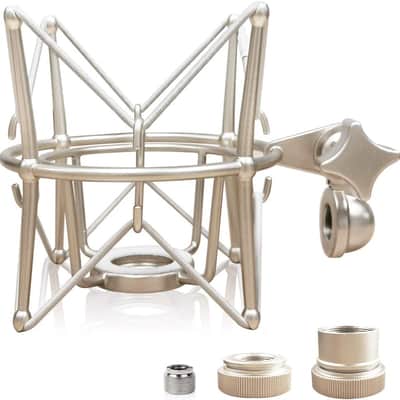
![Neumann EA 4 BK Elastic Suspension (Black) [USED]](/_next/image?url=https%3A%2F%2Frvb-img.reverb.com%2Fi%2Fs--0VEq3wTP--%2Fquality%3Dmedium-low%2Cheight%3D400%2Cwidth%3D400%2Cfit%3Dcover%2Cgravity%3Dbottom%2Fe3af4cb4-a8b2-4c7a-97f4-d48442396e73.jpg&w=3840&q=75)