#1
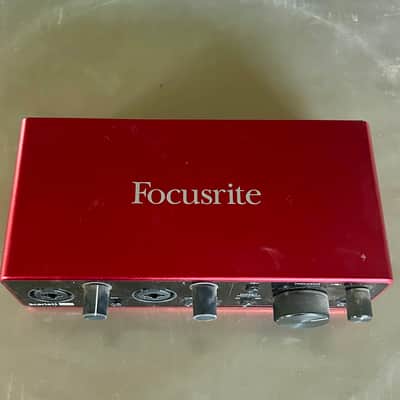
Focusrite Scarlett 2i2 4th Gen
USB audio interface · 2 mic preamps, 2 line/instrument inputs, 24-bit/192kHz, USB-C, impedance-bridging instrument input, Auto-Gain$120–$170 usedBest for: Best all-around guitar interface, most versatile, best value
The Focusrite Scarlett 2i2 is the most popular guitar recording interface for home studios. The instrument input is impedance-bridging (high impedance) which provides natural guitar tone without a DI box. The Scarlett preamps are transparent and clean for guitar recordings. 4th Gen adds Auto-Gain (automatic level detection). Used at $120–170, the 2i2 is the best value for guitar recording starting point.
What to check used: While the instrument input is high impedance, the Scarlett's impedance is not as high as dedicated guitar-optimized interfaces (IK Multimedia AXE I/O). For maximum natural tone, add a passive DI box (costs $50–80) to the guitar input.
#2
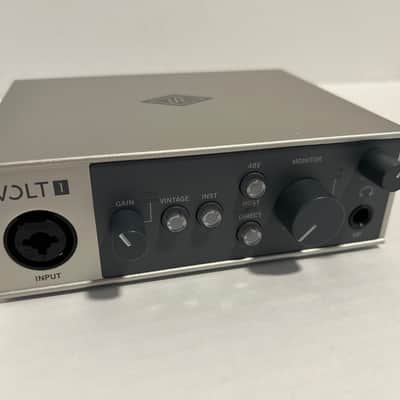
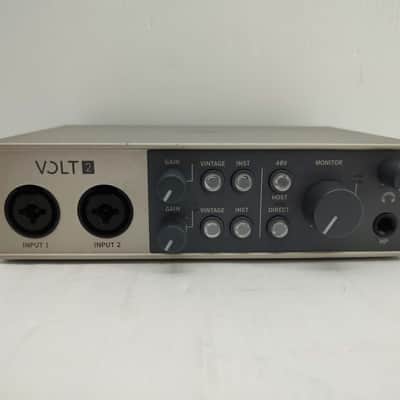
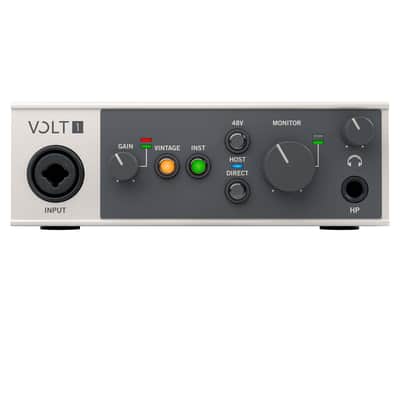
Universal Audio Volt 276
USB interface with vintage mode · 2 mic preamps, 2 instrument inputs, Unison analog modeling for vintage guitar tone, 24-bit/192kHz, USB$200–$280 usedBest for: 76 vintage preamp modeling for guitar color and warmth
Universal Audio Volt 276 features Unison analog modeling that applies a Neve 1073 vintage preamp sound to incoming guitar signals. This is more sophisticated than simple EQ — the modeling emulates the harmonic saturation and color of classic analog preamps. For guitarists seeking warmer, vintage-sounding recordings, the Volt 276 adds pro-level preamp emulation. Used at $200–280.
What to check used: Universal Audio requires LUNA OS (macOS-specific) or UAD plugins (subscription-based) to use Unison modeling on Windows. Without subscription, the Volt 276 is a standard interface.
#3
Audient iD4 MkII
USB interface with JFET DI · 1 mic preamp, 1 JFET DI input (guitar), 24-bit/192kHz, USB-C, class-leading preamp transparency$100–$150 usedBest for: Most natural guitar DI tone from JFET solid-state amplification
Audient iD4 MkII features a JFET (solid-state transistor) DI input designed specifically for guitar. The JFET circuitry provides the most transparent, natural guitar tone of any entry-level interface. The iD4's preamps are industry-leading for transparency — every nuance of the guitar signal is captured. Used at $100–150, it is one of the best values for guitar tone.
What to check used: The iD4 MkII has only one microphone input and one guitar input — not suitable for recording two simultaneous inputs (e.g., vocal + guitar). For tracking full band, upgrade to the iD14 or iD44.
#4
MOTU M2
USB interface with class-leading noise floor · 2 mic preamps, 2 high-impedance instrument inputs, 24-bit/192kHz, USB, -128dBu noise floor$120–$160 usedBest for: Exceptional dynamic range and quiet preamps for clean guitar recording
MOTU M2 has an industry-leading noise floor (-128dBu) that approaches professional studio interfaces. The low noise is particularly valuable for quiet guitar recordings (fingerpicking, jazz). The high-impedance instrument inputs preserve natural guitar tone. For guitarists concerned with noise and dynamic range, the M2 is exceptional value. Used at $120–160.
What to check used: MOTU interfaces require more driver setup than Focusrite. Mac support is excellent; Windows driver support is adequate. Test on your system before committing.
#5
IK Multimedia AXE I/O Solo
Guitar-optimized USB interface · Proprietary high-impedance guitar input (mega-ohm impedance), mic preamp, amp matching, 24-bit/192kHz$120–$170 usedBest for: Highest-impedance guitar input for natural, uncolored tone
IK Multimedia AXE I/O Solo is designed exclusively for guitarists. The input impedance is tuned to match high-impedance pickups — guitar signal is captured with maximum natural tone. AXE I/O Solo includes amp matching (models classic guitar amps) and tons of amp/cab simulations. For electric guitar recording in a DAW, this is a purpose-built interface. Used at $120–170.
What to check used: AXE I/O requires iCloud login and sustains an ongoing subscription model for amp packs. The base amp models are included free, but accessing additional amps requires IK Multimedia Marketplace subscription.
#6
Apogee ONE for Mac
Compact USB interface · 2 microphone inputs, high-impedance instrument input, 24-bit/96kHz, USB-C, compact form factor$100–$150 usedBest for: Professional interface for Mac users, known for transparent guitar tone
Apogee interfaces are professional-grade with transparent preamps. The Apogee ONE for Mac (Mac only, not Windows) has legendary guitar tone. The instrument input is high-impedance and yields pure guitar signal capture. Apogee preamps are known for clarity and low noise. Used at $100–150, this is a professional choice for Mac users.
What to check used: Mac-only interface — not compatible with Windows. Also discontinued, so only used units available.
#7
PreSonus Studio 68c
USB-C interface with 6 inputs · 2 mic preamps, 4 line/instrument inputs, 24-bit/192kHz, USB-C, 4-band mixer, compact$180–$260 usedBest for: Multiple guitars or recording full band with guitar
PreSonus Studio 68c is a compact interface with 6 total inputs — room for 2 microphones + 4 instruments (perfect for guitars + bass + synth). The preamps are clean and transparent. For tracking full band with multiple guitars, the 68c is excellent value. Used at $180–260.
What to check used: The Studio 68c is more complex than the 2i2 — the mixer mode can be confusing for beginners. For solo guitar recording, stick with 2-input interfaces; for full band, the 68c is optimal.