#1
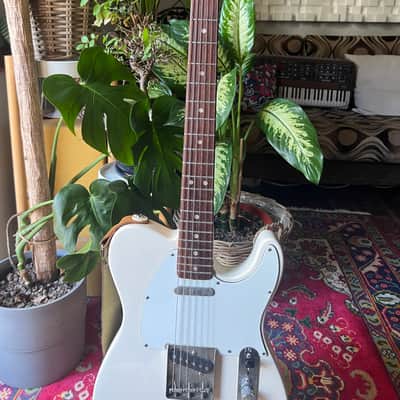
Fender Telecaster
Reggae skank standard (most used reggae rhythm guitar) · Single-cutaway, 2 Telecaster single-coil pickups, 25.5-inch scale, hard maple neck, alder body, bridge pickup for roots skank($600–$900 used: Fender Player Telecaster)Best for: Roots reggae and ska skank rhythm, bridge pickup bite for rhythmic chop, clean single-coil clarity through reggae reverb chain, classic reggae rhythm guitar tone
The Fender Telecaster is the most used reggae rhythm guitar — the bridge pickup produces a bright, biting, percussive chop ideal for reggae's offbeat skank rhythm. Ernest Ranglin, Heptones session players, and most classic Jamaican roots reggae was recorded with Telecasters through clean amplifiers with reverb. The Telecaster's bridge pickup clarity is important for reggae rhythm because the skank must be distinct and percussive in the mix. Used at $600–$900 (Fender Player Tele).
What to check used: Reggae is played on the bridge pickup with a very clean, no-distortion amplifier signal — the bridge pickup tone that sounds too bright or harsh for rock or country is exactly right for reggae when routed through reverb and slight compression. Do not use overdrive or distortion for reggae skank. The technique is the key: short, sharp, offbeat chops on beats 2 and 4.
#2
Fender Stratocaster (middle pickup)
Versatile alternative for roots and modern reggae · 3 single-coil pickups, middle pickup specifically for reggae warmth, 25.5-inch scale, alder body, synchronized tremolo($600–$900 used: Fender Player Stratocaster)Best for: Roots and modern reggae rhythm, middle pickup for warmer skank tone than Telecaster bridge, tremolo for vibrato effects, versatile for multiple genres
The Fender Stratocaster middle pickup produces a warm, round single-coil tone ideal for reggae rhythm and lead — slightly less bright than the Telecaster bridge pickup, which suits modern reggae and dancehall styles where a warmer skank is preferred. Carlos Santana's reggae-influenced Latin rock and various reggae fusion players use Stratocasters for their warmth and expressiveness. The Stratocaster tremolo also allows pitch-modulation effects used in some reggae styles. Used at $600–$900 (Fender Player Strat).
What to check used: The Stratocaster middle pickup is specifically the recommended position for reggae — the neck pickup is too warm (muddy for skank), the bridge pickup is too bright (not as natural for Strat in reggae as the Telecaster bridge). Experiment with the second position (between neck and middle) for the classic Stratocaster 'quack' that works in some reggae contexts.
#3
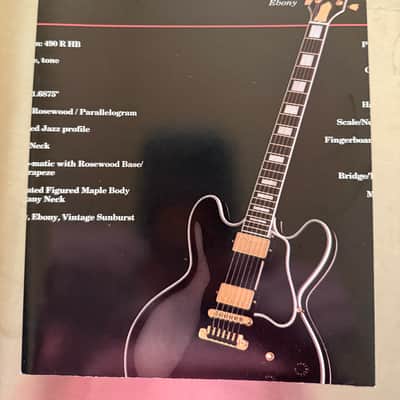
Gibson ES-335
Semi-hollow humbucker (roots and jazz-influenced reggae) · Semi-hollow, 2 Gibson humbuckers, neck pickup for warm reggae lead tone, 24.75-inch scale, dual Florentine cutaway($2,200–$3,000 used for current production ES-335)Best for: Warm humbucker reggae lead tone, jazz-influenced roots reggae, neck pickup warmth through reverb, Ernest Ranglin and Caribbean jazz-reggae style
The Gibson ES-335 is used by jazz-reggae players for its warm neck humbucker tone — Ernest Ranglin (the father of Jamaican guitar who helped create ska and reggae) plays ES-335-style semi-hollow guitars for their warm, round, jazz-influenced tone. For reggae lead guitar and jazz-reggae fusion, the semi-hollow humbucker character through reverb and compression produces the warm, singing tone of classic Jamaican recording sessions. Used at $2,200–$3,000 for current production.
What to check used: The ES-335 is a professional investment that is not the typical first reggae guitar purchase. The recommendation is primarily for players already familiar with jazz or semi-hollow guitars who want to incorporate reggae into their playing, or professional reggae musicians who need the full character of the instrument.
#4
Ibanez AF75
Budget hollowbody for warm reggae tone · Full hollowbody, 2 ACH humbuckers, neck pickup for reggae warmth, 24.75-inch scale, accessible price$260–$360 usedBest for: Budget hollowbody warmth for reggae, neck pickup character, accessible entry into hollowbody reggae tone, Ernest Ranglin-style warmth
The Ibanez AF75 is the accessible hollowbody alternative for reggae players who want warm humbucker tone without the Gibson ES-335 price — the AF75's neck pickup produces warm, round hollowbody tone at $260–$360 used. For reggae and jazz-influenced players who want the hollowbody character on a budget, the AF75 is the recommendation. Used at $260–$360.
What to check used: The AF75 is not the canonical reggae guitar — the Telecaster is the most used instrument for reggae skank rhythm. The AF75 is specifically for players who want the warm lead and chord tone of hollowbody jazz-reggae playing, not the percussive skank rhythm style.
#5
Squier Classic Vibe 50s Telecaster
Budget Telecaster for reggae on minimal budget · Alder body, maple neck, 2 Fender-designed Alnico single-coil pickups, 3-way switch, 25.5-inch scale, vintage 50s aesthetic$350–$400 new / $220–$300 usedBest for: Budget reggae guitar entry, Telecaster character and skank tone at accessible price, Squier Classic Vibe quality, vintage 50s Telecaster aesthetics
The Squier Classic Vibe 50s Telecaster is the most accessible entry into Telecaster-style reggae rhythm — the Fender-designed Alnico pickups produce the essential Telecaster bridge pickup brightness for reggae skank at $220–$300 used. The Classic Vibe series is Squier's best quality tier with genuine improvements over the Affinity series. For reggae players on minimal budget, the Classic Vibe 50s Tele provides the essential Telecaster tone. Used at $220–$300.
What to check used: The Classic Vibe Telecaster pickups are Squier's Fender-designed budget version — good for reggae practice and small venues but noticeably less refined than a Fender Player Telecaster. Players who gig regularly with reggae bands should budget for the Fender Player Tele ($600–$900 used) for more reliable tone and better build quality.
#6
G&L ASAT Classic
Leo Fender's improved Telecaster design · Alder body, G&L MFD (Magnetic Field Design) pickups, single-cutaway Telecaster format, G&L American craftsmanship$1,500–$1,700 new / $950–$1,350 usedBest for: American Telecaster-style quality with G&L MFD pickups, hotter output for reggae without overdrive, Leo Fender's improvement on the original Telecaster
The G&L ASAT Classic is Leo Fender's final Telecaster-concept guitar — the MFD pickups are higher output and lower noise than vintage Alnico Telecaster pickups, which provides better reggae tone without needing volume to drive the amplifier into saturation. For reggae players who want American Telecaster quality with improved pickup performance, the ASAT Classic is the recommendation. Used at $950–$1,350.
What to check used: G&L MFD pickups are noticeably brighter and hotter than traditional Fender Alnico pickups — compare the G&L ASAT Classic directly with a Fender Telecaster before purchasing to verify the MFD tone suits your reggae style. Some players prefer the softer, more traditional Alnico twang; others prefer the MFD's added output.
#7
Epiphone ES-335
Accessible semi-hollow for warm reggae lead · Semi-hollow, 2 Alnico Classic Pro humbuckers, coil tap, 24.75-inch scale, Gibson-inspired construction$340–$480 usedBest for: Accessible hollowbody warmth for reggae lead, coil tap for single-coil clarity, budget ES-335 character
The Epiphone ES-335 provides the semi-hollow humbucker warmth appropriate for reggae lead and jazz-reggae styles at $340–$480 used. For reggae players who want the ES-335 character without Gibson prices, the Epiphone is the accessible alternative. The coil-tap capability also provides single-coil clarity for cleaner reggae rhythm tones. Used at $340–$480.
What to check used: The Epiphone ES-335's Alnico Classic Pro humbuckers are higher output and thicker-voiced than ideal for traditional reggae lead tone — compare with the Ibanez AF75 (more traditional hollowbody character) before purchasing. Players who use the neck pickup for reggae lead may prefer the AF75's warmer, more open hollowbody character.
#8
Fender Jazzmaster
Offset single-coil (modern and alternative reggae) · Offset body, 2 Jazzmaster single-coil pickups, floating tremolo, rhythm/lead circuit, 25.5-inch scale$700–$1,200 usedBest for: Modern and alternative reggae sounds, rhythm circuit for reggae drone layer, floating tremolo for vibrato effect, independent rhythm circuit level for separate reggae skanking and lead setup
The Fender Jazzmaster's dual-circuit design (rhythm and lead circuits as independent setups) is specifically useful for reggae players who skank and play lead in the same set — the rhythm circuit can be set to a completely different volume and tone from the lead circuit, allowing one guitar to switch between rhythm skank and lead tone without adjusting knobs. For modern reggae and alternative reggae players, the Jazzmaster is an interesting choice. Used at $700–$1,200.
What to check used: The Jazzmaster is not the canonical reggae guitar — it is listed for modern and alternative reggae players specifically. Traditional roots reggae players should focus on the Telecaster as the primary instrument.