#1
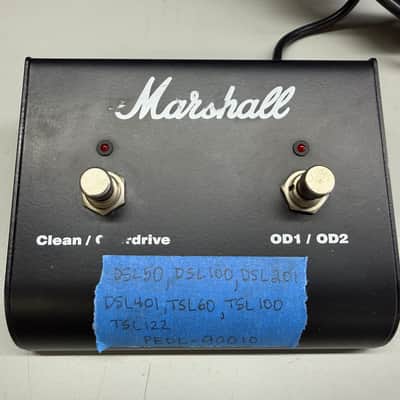
Marshall DSL40CR
Tube combo · 40W$550–$780 usedBest for: Classic rock, hard rock, versatile rock tones
The Marshall DSL40CR is the modern version of the amp that defined rock guitar. Two channels — Classic Gain (warm, crunchy vintage Marshall) and Ultra Gain (modern high-gain) — cover everything from AC/DC crunch to arena rock distortion. EL34 power tubes give it the mid-forward 'Marshall bark' that cuts through any band. 40 watts is giggable without being oppressive. Used DSL40CRs are abundant and priced well. Players: Slash, Angus Young, countless touring rock players.
What to check used: Check both channels work properly and the reverb tank functions. The Ultra Gain channel can be very sensitive to tube quality — verify tubes are matched and relatively fresh.
#2
Fender Hot Rod Deluxe
Tube combo · 40W$400–$600 usedBest for: Classic rock, blues-rock, versatile clean-to-crunch
The Hot Rod Deluxe bridges the gap between clean Fender tone and rock crunch. 40 watts with a 12-inch speaker, two 6L6 power tubes, and a Drive channel that goes from warm crunch to moderate overdrive. The clean channel is one of the best rock clean platforms available — pedals respond beautifully to it. Used examples are common and affordable, making it one of the best value rock amps in the used market. Players: John Mayer, Dave Matthews Band, blues-rock session players.
What to check used: The HRD's Drive channel is famously controversial — many players find it sounds better with a Tube Screamer into the clean channel than using the built-in Drive. Test the Drive channel yourself. Check the reverb and the speaker (12-inch Eminence is standard but often upgraded).
#3
Orange Rockerverb 50
Tube head or combo · 50W$800–$1,200 usedBest for: Modern rock, alternative rock, heavy indie
The Rockerverb 50 is Orange's flagship rock amp — warm cleans and natural-sounding overdrive that stacks beautifully. EL34 power tubes give it a British mid-forward character, but warmer and rounder than Marshall. The natural harmonic content of the Rockerverb is exceptional — it sounds musical at any volume level. Famously used by Josh Homme (Queens of the Stone Age) for its unique vintage-but-modern character.
What to check used: The Rockerverb head requires a speaker cabinet — check the impedance selector matches your cab. Combo versions are heavier than expected. Verify the switch for clean/dirty channel is fully engaging both channels.
#4
Mesa/Boogie Mark V
Tube combo or head · 10/45/90W$1,000–$1,800 usedBest for: Prog rock, modern rock, high-gain versatility
The Mesa/Boogie Mark V is the Swiss Army knife of rock amps — five channels spanning sparkling Fender-style cleans to the highest gain lead tones available in a production amp. Three wattage modes (10/45/90W) let you push tubes at bedroom, rehearsal, and stage volumes. The Mark series is the backbone of prog and modern metal guitar tone — Dream Theater, Tool, Metallica, and Santana all use Mesa/Boogie. Players: John Petrucci, Carlos Santana, Robben Ford, Kirk Hammett.
What to check used: The Mark V has a notoriously complex set of controls — take time to learn the EQ curves for each channel before assuming something is broken. Mesa ships compatible tubes only; check tubes are genuine Mesa replacements or equivalent matched sets.
#5
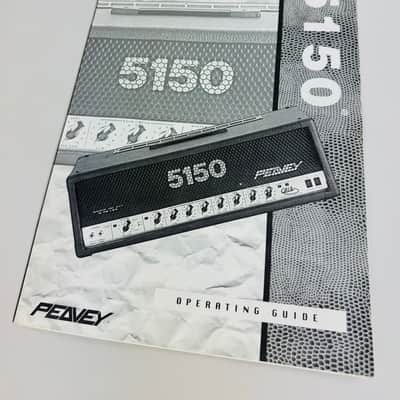
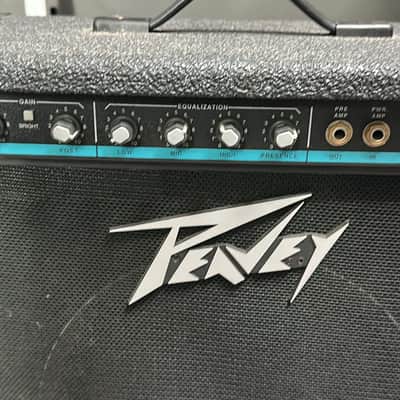
Peavey 5150/6505
Tube head · 120W$550–$900 usedBest for: Hard rock, metal, high-gain heavy playing
The Peavey 5150 (later renamed 6505 after Eddie Van Halen's departure) is the definitive high-gain rock/metal amp. Eddie Van Halen co-designed it with Peavey for his signature brown sound — the Rhythm channel covers classic rock crunch; the Lead channel goes to full British-American high-gain saturation. Used 5150s are among the best value high-gain amps on the market — they're everywhere and priced lower than equivalent Mesa/Boogie heads.
What to check used: The 5150 requires a speaker cabinet. Check that both channels switch properly and the EQ controls move smoothly. Original Peavey preamp and power tubes are preferred — verify what's installed.
#6
Vox AC30
Tube combo · 30W$600–$850 usedBest for: 60s rock, britpop, indie, jangle rock
The AC30 is the amplifier that defined British rock in the 1960s. Two 12-inch Celestion speakers (Alnico Blue in the heritage model), four EL84 power tubes running class A, and the Top Boost channel that produces the chimey, compressed tone on countless classic rock recordings. Brian May recorded all of Queen's guitar tracks through AC30s. If you play jangle rock, 60s-influenced rock, or Britpop, the AC30 is the historically correct choice.
What to check used: Four EL84 tubes running class A run hot — the AC30 is loud and produces heat. Check that all four power tubes are matched and the bias is correctly set. The Top Boost and Normal channels behave very differently; test both.
#7
Blackstar HT Studio 20
Tube combo or head · 20W (switchable 2W)$300–$450 usedBest for: Classic rock, British tones, home and studio rock
The Blackstar HT Studio 20 punches far above its price. 20 watts (switchable to 2W for home studio use), EL34 power tubes, two channels (Clean and Overdrive), and Blackstar's ISF (Infinite Shape Feature) tone control that morphs from American to British voicing. The 2W mode means you can push EL34 power tubes at low volumes — important for natural power amp distortion that most bedroom players never hear. Outstanding value in the used market.
What to check used: Verify the wattage switch (20W/2W) works properly — a stuck switch is occasionally reported. The ISF control is not a traditional tone control and takes time to learn. Check the EL34 tubes are correctly biased.
#8
Marshall Origin 20C
Tube combo · 20W$350–$500 usedBest for: Classic rock, vintage Marshall tones, giggable single-channel
The Origin 20C is Marshall's attempt to recapture the JTM45/Plexi character in a modern, affordable package. Single channel, volume and tone controls, EL34 tubes, and a 12-inch speaker. It's a simplified amp that responds directly to picking dynamics — loud picking pushes it into breakup, light picking stays clean. The Tilt control adjusts from British mids to more American voicing. A good entry point to vintage Marshall character without vintage prices.
What to check used: Single-channel with no master volume means the only way to get overdrive is volume — this amp should be played at volume 5+ for its character to appear. Check the speaker (Celestion V-Type is standard) and the EL34 tubes.