#1
Fender Blues Junior IV
Tube Combo$320–$440 usedBest for: Blues, rock, clean tones, country, rehearsal and small gigs
The Fender Blues Junior is the most popular small tube amp ever made — 15 watts, all-tube (12AX7 preamp, EL84 power), 12-inch Jensen or Eminence speaker, and the classic Fender blackface voicing. Used Blues Juniors are among the most common amps on Reverb because millions were sold. The IV version added an improved clean channel and enhanced reverb. Perfect for home practice at low volumes through to small venues.
What to check used: The Blues Junior has known issues with the master volume pot getting scratchy — spray with DeOxit contact cleaner, $15 fix. Check the speaker for any tears or voice coil rubs (play a low E and listen for rattling). Tubes last 2–3 years with heavy use — budget $50–$80 for a retube if it sounds dull.
#2
Vox AC15C1
Tube Combo$380–$480 usedBest for: British tones, indie, ambient, jangly clean, Celestion chime
The Vox AC15 delivers the British EL84 tube sound that defined 1960s pop and rock — chimey, compressed, slightly gritty break-up. The AC15C1 uses a Celestion Greenback speaker and the classic Top Boost circuit. Used AC15C1s at $380–$480 are authentic Vox tone without the $600+ new price. If your influences include The Beatles, The Strokes, Arctic Monkeys, or any jangly indie, the AC15 is the specific amp those sounds were made on.
What to check used: The AC15 breaks up early at lower volumes compared to American-voiced amps — it's less clean headroom than the Blues Junior. Verify the standby switch is functional. Speaker output should be checked with the impedance selector correctly matched.
#3
Boss Katana-50 MkII
Modeling Combo$200–$300 usedBest for: All genres, bedroom to rehearsal, effects included, home recording
The Boss Katana is the best modeling amp for players who want versatility over vintage tone. 50 watts, 5 amp characters (Clean, Crunch, Lead, Brown, Acoustic), over 60 built-in effects via the Boss Tone Studio app, and direct USB recording output. Used Katana-50 MkIIs at $200–$280 are the best beginner-to-intermediate amp recommendation — more sounds than any tube amp, easier to set up, no tube maintenance, and excellent recording direct.
What to check used: The Katana requires the free Boss Tone Studio software to access all effects and amp customization — verify the previous owner hasn't corrupted the onboard settings. Factory reset is easy (hold Hold button on power-on). Check all 5 amp character buttons are functional.
#4
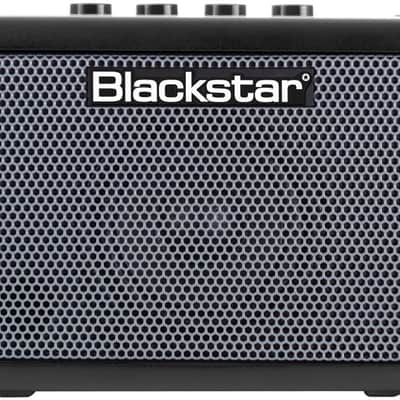
Blackstar HT-5R
Tube Combo$250–$380 usedBest for: Home practice at bedroom levels, rock, overdrive tones
The Blackstar HT-5R is specifically engineered for bedroom practice at tube amp volumes — its 5 watts and built-in power attenuator let you get real tube saturation at genuinely quiet levels. Two channels (clean and overdrive), built-in reverb, and an emulated line out for headphone practice. Used HT-5Rs at $250–$350 are the best tube amp for home players who need to keep volumes low.
What to check used: Verify the power attenuator works correctly — it should let you dial from full 5W to near-silence. The built-in reverb is basic; expect to add a reverb pedal if you play styles that need it. ECC83 preamp and ECC82 power tubes — full tube complement for a small amp.
#5
Orange Crush 35RT
Solid State Combo$200–$300 usedBest for: Gigging, rock, practice amp with built-in tuner and reverb
Orange's Crush series is their best solid-state line — voiced with the same character as their tube amps, with the tighter low-end and compressed mid-range that Orange is known for. The 35RT has 35 watts, a 10-inch speaker, built-in chromatic tuner, and Orange's CabSim output for direct recording. Used Crush 35RTs at $200–$280 are the best solid-state gigging amp under $300 — loud, reliable, characterful, and zero tube maintenance.
What to check used: Orange's voicing is distinctly mid-forward and compressed — different from Fender clean or Vox chime. Try one before buying if you've only played American-voiced amps. The orange tolex shows scuffs prominently — cosmetic only.
#6
Fender Champion 100
Solid State Combo$200–$280 usedBest for: Beginners, band rehearsal, all genres, two channels
The Fender Champion 100 is a 100-watt solid-state combo with two channels (clean/lead), built-in effects (reverb, delay, chorus, vibratone), and two 12-inch speakers. Used at $200–$250, it's the best budget amp for players who need volume — 100 watts is enough for rehearsal and small-medium venues. The modeled Fender voicings are pleasant, and the built-in effects eliminate the need for pedals at the beginner stage.
What to check used: Solid-state at high wattage sounds less musical than tube amps at lower wattage — the Champion 100 is loud and functional, not boutique. Verify both 12-inch speakers work. The effects are basic modeling; they work better at moderate settings.
#7
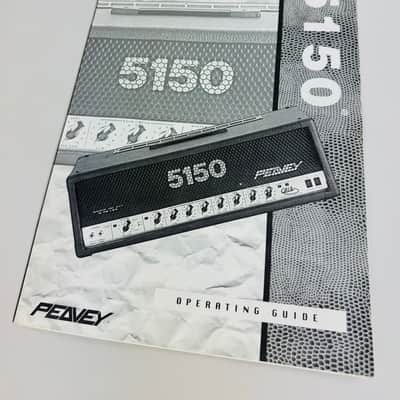
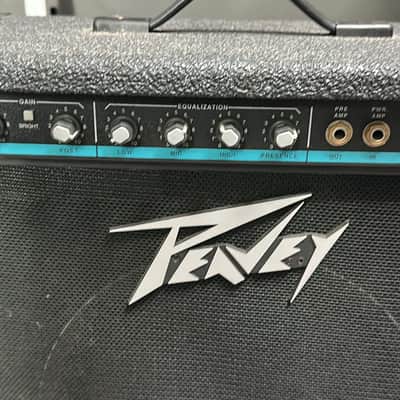
Peavey Classic 30
Tube Combo$300–$440 usedBest for: Blues, rock, country, all-around tube sound
The Peavey Classic 30 is the underrated tube amp of this price range — 30 watts of EL84 power, clean channel and lead channel, reverb, and a Peavey-voiced 12-inch speaker. Used Classic 30s at $300–$400 are consistently excellent and priced below comparable Fender or Vox amps for the same build quality. Peavey's quality control on the Classic 30 is exceptional. The EL84 power section means it breaks up at slightly lower volumes than EL34 or 6L6 amps.
What to check used: The Peavey Classic 30's speaker is polarizing — some players immediately swap it for a Celestion or Eminence. Factor $80–$150 into the budget for a speaker upgrade if this bothers you. Otherwise a complete amp.
#8
Line 6 Catalyst 60
Modeling Combo$180–$260 usedBest for: Versatility, home practice, recording, all genres
The Line 6 Catalyst is the newer generation modeling amp after the Spider series. 60 watts, 6 amp models, built-in effects, USB audio interface, and the cleaner Line 6 modeling engine that's closer to the Helix HX software. Used Catalyst 60s at $180–$240 represent excellent value for players who want variety — different from the Boss Katana in voicing (slightly warmer) but comparable in versatility.
What to check used: Modeling amp sounds vary by how well you program them — the Catalyst requires time with the presets to find the right patches. Better sounds than the older Spider IV, but not as well-known. Verify USB audio output works.

![BOSS FDR-1 Deluxe Reverb Amp Simulator BOSS Effects Pedal [AV 90215] (03/23)](/_next/image?url=https%3A%2F%2Frvb-img.reverb.com%2Fi%2Fs--ZGHLqPGx--%2Fquality%3Dmedium-low%2Cheight%3D400%2Cwidth%3D400%2Cfit%3Dcover%2Cgravity%3Dbottom%2Ff4bd8a4e-028f-4d7b-864e-1d7386ed4ede.jpg&w=3840&q=75)