#1
Boss Katana-100
Budget · 100W · Solid state / modeling$200–$300 usedBest for: Budget players and home practice — the best metal tone per dollar available
The best-value practice/bedroom metal amp made. The high-gain modes (Crunch, Lead, Brown) convincingly replicate tube amp saturation. 100W is more than enough for most situations. USB recording output. The Katana handles metal across genres without sounding cheap.
What to check used: Not a tube amp — sounds convincing at bedroom volumes but may disappoint in direct comparison to tubes at gig volumes. For gigging metal, step up to the 6505+ or DSL40.
#2
Peavey 6505 Mini
Budget tube · 20W · All-tube head$250–$400 usedBest for: Budget tube buyers who want the classic 6505 high-gain character at manageable wattage
The 6505 is the most-used metal amp in history. The Mini packs the full 6505 preamp into 20 watts — same high-gain character at manageable volume. Used by Lamb of God, Bullet for My Valentine, and hundreds of touring metal bands. Best value tube metal amp available.
What to check used: 20W through a 4x12 is still very loud. Not truly bedroom-level without a power attenuator.
#3
Marshall DSL40CR
Versatile mid · 40W · All-tube combo$400–$600 usedBest for: Players who need metal AND clean/crunch versatility in one amp
Two channels: Classic Gain (clean to crunch, Marshall JCM tone) and Ultra Gain (high gain, modern metal). The DSL40CR covers everything from classic rock to modern metal without sounding like a genre-specific amp. Reverb included. The cleanest tone in this guide.
What to check used: The Ultra Gain channel is good but not as aggressive as a 6505 or Rectifier. If you play only metal, a dedicated high-gain amp is better. If you need metal and versatility, the DSL wins.
#4
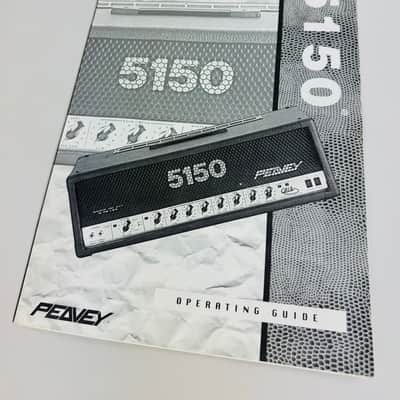
Peavey 5150 / 6505+ (100W)
Serious · 100W · All-tube head$500–$900 usedBest for: Serious metal players who want the most-recorded metal head ever made
The original 5150 (renamed 6505+ after Eddie Van Halen) is arguably the most recorded metal amp in history. Tight, aggressive gain with the thick low-end that defines 2000s metal production. The "Brutal" lead channel is exactly that. Phil Anselmo, Eddie Van Halen, Kerry King — this amp has more endorsers than any other metal head.
What to check used: Needs a 4x12 cabinet (not included). The clean channel is usable but not impressive — this is a high-gain specialist amp, not a versatile machine.
#5
EVH 5150III 50W EL34
Professional · 50W · All-tube head · EL34$800–$1,300 usedBest for: Pro players wanting refined 5150 character with EL34 harmonic complexity
The modern evolution of the 5150. EL34 power tubes give the 5150III a more British character than the original's 6L6 tone — slightly more "open" and harmonically complex. Three channels (clean, crunch, lead) all at high quality. Preferred by players who want vintage-inspired gain structure rather than the brick-wall saturation of a Rectifier.
What to check used: Expensive for a mid-wattage head when used. The EL34 version is the better choice over the 6L6 version for most players.
#6
Mesa/Boogie Rectoverb 25
Professional · 25W / 10W · All-tube combo$700–$1,100 usedBest for: Players who want the Rectifier tone in a manageable combo format
The Rectifier tone in a manageable 25-watt combo. Rectifier voicing is thick, saturated, and mid-scooped — the quintessential modern metal sound on albums from Metallica (Load/Reload era) through Lamb of God. The 10W mode allows gigging at slightly less ear-splitting levels.
What to check used: The Mesa EQ is essential to dial in — Mesa amps have a complex EQ response. Budget time to learn the controls, or buy with the original manual.
#7
Mesa/Boogie Dual Rectifier
Premier · 100W · All-tube head · 3-channel$1,200–$2,000 usedBest for: Players who want the defining modern metal amp — Metallica, Tool, Mastodon tone
The most iconic modern metal amp. Defined the sound of American metal from Metallica to Tool to Mastodon. Three channels with independent gain, EQ, and output settings. The "Vintage" mode on channel 2 is one of the finest metal tones ever built into a production amplifier. If you have budget for one definitive metal amp, this is it.
What to check used: Heavy (50 lbs). Older units (pre-2000) had reliability issues — check the transformer and tubes. Mesa's service department is excellent if you need work done.
#8
Fractal Audio Axe-Fx III (or FM9)
Modeling premium · N/A · Digital modeler$1,500–$2,500 (Axe-Fx III) / $1,000–$1,500 (FM9) usedBest for: Recording studios, touring pros, and in-ear monitor setups — every amp in one box
For recording studios, in-ear monitor setups, and players who want hundreds of amp models (including Dual Rectifier, 5150, JCM800, all of them) in one unit: Fractal is the professional standard. Metallica, Periphery, Meshuggah use Fractal live. The tone is indistinguishable from tube amps on recording.
What to check used: Complex to set up — requires significant time investment and an external power amp or active speaker to use live. Not plug-in-and-play like a traditional amp. Not a beginner purchase.
![BOSS FDR-1 Deluxe Reverb Amp Simulator BOSS Effects Pedal [AV 90215] (03/23)](/_next/image?url=https%3A%2F%2Frvb-img.reverb.com%2Fi%2Fs--ZGHLqPGx--%2Fquality%3Dmedium-low%2Cheight%3D400%2Cwidth%3D400%2Cfit%3Dcover%2Cgravity%3Dbottom%2Ff4bd8a4e-028f-4d7b-864e-1d7386ed4ede.jpg&w=3840&q=75)