#1
Fender Jazzmaster
Post-rock standard (Explosions in the Sky, Mogwai) · Offset body, 2 Jazzmaster single-coil pickups, floating tremolo, rhythm/lead circuit, warm low-mid resonance(American Vintage II / American Original: $700–$1,200 used)Best for: Explosions in the Sky and Mogwai-style post-rock, floating tremolo for volume swells and pitch drift, warm resonant single-coil for clean post-rock foundation, offset body comfort for long sets
The Fender Jazzmaster is the canonical post-rock guitar — Explosions in the Sky (Mark Smith and Munaf Rayani), Mogwai (Stuart Braithwaite), Sigur Ros, and many post-rock guitarists use Jazzmasters for the warm, resonant single-coil foundation that supports the genre's long, developing compositions. The floating tremolo allows expressive pitch motion in swells and builds; the warm single-coil tone sits under delay and reverb effects without becoming harsh. Used at $700–$1,200.
What to check used: Post-rock Jazzmaster playing is heavily dependent on effects — the guitar's character is defined as much by the effects chain as by the instrument itself. A Jazzmaster through delay and reverb sounds like post-rock; without effects, it is a standard clean guitar. Budget for effects before investing in an expensive Jazzmaster.
#2
Fender Stratocaster
Versatile post-rock foundation (sustain, swell, expressiveness) · 3 single-coil pickups, floating tremolo, 25.5-inch scale, smooth neck pickup for volume swells(American Professional II: $1,000–$1,400 used / Player: $600–$850 used)Best for: Volume swell technique (neck pickup, volume pedal/knob rolls), clean-to-heavy dynamic range, tremolo arm for pitch drift in post-rock textures, versatile tone for different post-rock styles
The Fender Stratocaster is used extensively in post-rock for its volume swell capability — the neck pickup through a volume pedal (or using the guitar's volume knob technique) produces the violin-like bowed tone central to post-rock's emotional arc. The tremolo arm allows subtle and extreme pitch movement in ambient passages. For post-rock players who want versatility beyond the Jazzmaster's specific character, the Stratocaster covers more stylistic ground. Used at $600–$1,400.
What to check used: Post-rock Stratocaster playing often involves extreme reverb and delay — verify the tremolo is properly set up for the tuning stability required. Post-rock frequently involves extended droning and open-string resonance where tuning drift is audible. Consider blocking the Stratocaster tremolo if tuning stability in sustained passages is a concern.
#3
PRS CE 24
Modern post-rock versatility (heavier post-rock applications) · Mahogany body, maple top, 2 PRS 85/15 humbuckers with coil tap, 25-inch scale, 24 frets$1,000–$1,350 usedBest for: Post-rock with heavier passages, coil tap for both single-coil clean and humbucker wall-of-noise sections, American craftsmanship, 24 frets for upper-register post-rock leads
The PRS CE 24 is the recommendation for post-rock players who include heavy distorted sections in their compositions — bands like Mogwai and Russian Circles incorporate sections of extreme volume and distortion alongside quiet, atmospheric passages. The coil-tap allows single-coil clean tone for ambient sections and full humbucker warmth for the heavy peaks. Used at $1,000–$1,350.
What to check used: PRS instruments have a polished, refined character — some post-rock musicians find this less appropriate for the raw, unpolished aesthetic of atmospheric post-rock. The Jazzmaster or Stratocaster have a rougher, less refined character that some post-rock players prefer.
#4
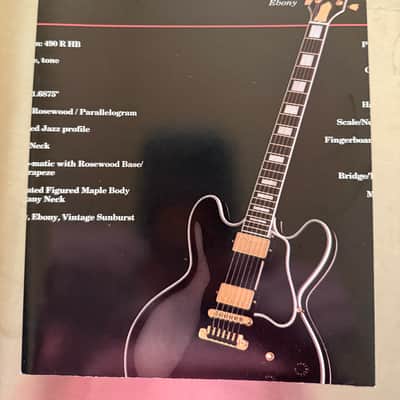
Gibson ES-335
Semi-hollow post-rock (warm resonance for layered textures) · Semi-hollow, 2 humbuckers, 24.75-inch scale, warm acoustic resonance with feedback resistance from center block$2,200–$3,000 usedBest for: Jazz-influenced post-rock, warm semi-hollow resonance for layered guitar textures, feedback control at high volumes through center block, acoustic bloom that enhances reverb and delay effects
The Gibson ES-335 is used in post-rock contexts where warmth and acoustic resonance are valued — the semi-hollow construction adds natural bloom and complexity to sustained notes that interact beautifully with reverb and delay in post-rock textures. For post-rock players who want a warmer, more complex tonal foundation than solid-body single-coil instruments provide, the ES-335 is the recommendation. Used at $2,200–$3,000.
What to check used: The Gibson ES-335 is at the premium end — the Ibanez AS93 ($500–$700 used) or Ibanez AS73 ($240–$330 used) provides approximate semi-hollow warmth at significantly lower prices for post-rock applications where budget is a consideration.
#5
Fender Jaguar
Short-scale post-rock texture (J. Mascis-influenced atmospheric) · 24-inch short scale, 2 Jaguar single-coil pickups, dual circuit, floating bridge, offset body(American Vintage II: $900–$1,300 used)Best for: Atmospheric post-rock and drone-influenced playing, short-scale for slinky string response under effects processing, J. Mascis-adjacent post-rock lead style
The Fender Jaguar is used in atmospheric post-rock and drone-adjacent music — the short scale (24 inches) produces a slinky, relaxed string feel that suits the sustained, ambient playing style of post-rock. The dual circuit provides additional tonal options for textural variation in post-rock compositions. Used at $900–$1,300.
What to check used: Same floating bridge considerations as the Jazzmaster. In extended post-rock droning passages, the Jaguar's floating bridge can shift under string vibration from effects feedback — a Mastery Bridge upgrade ($160) improves stability for sustained post-rock passages.
#6
Squier Classic Vibe 60s Jazzmaster
Budget post-rock Jazzmaster entry · Alder body, Fender-designed single-coil pickups, offset body, floating tremolo (simplified), 25.5-inch scale$350–$430 new / $220–$300 usedBest for: Budget post-rock Jazzmaster tone, accessible entry to offset guitar aesthetics for post-rock beginners, Classic Vibe quality
The Squier Classic Vibe 60s Jazzmaster is the accessible post-rock guitar entry — Fender-designed single-coil pickups in the Jazzmaster offset body at $220–$300 used provides the essential post-rock character at minimal cost. The tone is functional for post-rock through effects chains, and the character is correct for the genre. Used at $220–$300.
What to check used: The Classic Vibe's simplified floating bridge is less stable than American Jazzmaster bridges under extreme effects usage — for post-rock players who use extreme feedback or heavy tremolo-based passages, the upgrade to American Jazzmaster bridge hardware improves stability.
#7
Rickenbacker 360
Jangly post-rock (Radiohead and jangle-influenced post-rock) · Semi-hollow, 2 Hi-Gain single-coil pickups, 24.75-inch scale, stereo output, chiming high-end response$2,100–$2,500 new / $1,500–$2,100 usedBest for: Radiohead-adjacent post-rock, chiming jangle for textural post-rock passages, stereo output for complex signal routing in post-rock setups
The Rickenbacker 360 is used in post-rock-adjacent music influenced by Radiohead's atmospheric rock — the distinctive chiming Rickenbacker single-coil quality creates unique textures in post-rock compositions. The stereo output allows routing to multiple amplifiers or effects chains simultaneously for complex post-rock signal processing. Used at $1,500–$2,100.
What to check used: Rickenbacker instruments are premium-priced — justify the investment only when specifically pursuing the Rickenbacker tonal character. A Fender Jazzmaster at $700–$1,200 produces conventional post-rock character; the Rickenbacker is for players who specifically want the Rickenbacker chime.
#8
Epiphone ES-335
Budget semi-hollow for post-rock warmth · Semi-hollow, 2 Alnico Classic Pro humbuckers, 24.75-inch scale, dual Florentine cutaway, laminate body$420–$600 usedBest for: Budget semi-hollow post-rock warmth, accessible alternative to Gibson ES-335 at fraction of price, warm humbucker tone for ambient post-rock layers
The Epiphone ES-335 provides semi-hollow character for post-rock at accessible prices — the Alnico Classic Pro humbuckers produce warm, rounded tone that sits well under post-rock reverb and delay effects. For post-rock players who want semi-hollow warmth without Gibson ES-335 prices, the Epiphone 335 at $420–$600 used is the recommendation. Used at $420–$600.
What to check used: As noted, the Epiphone ES-335 can feed back at high post-rock volumes — the center block provides some feedback resistance, but extremely high gain or extreme reverb can cause uncontrolled feedback. Post-rock players who use high-gain sections should test feedback behavior before committing.
#9
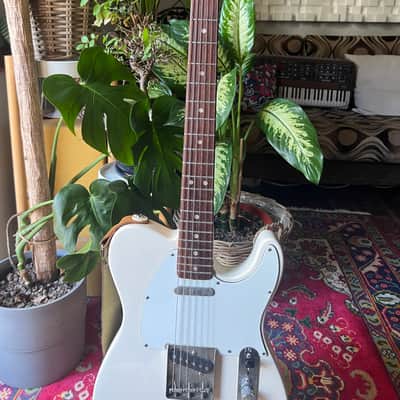
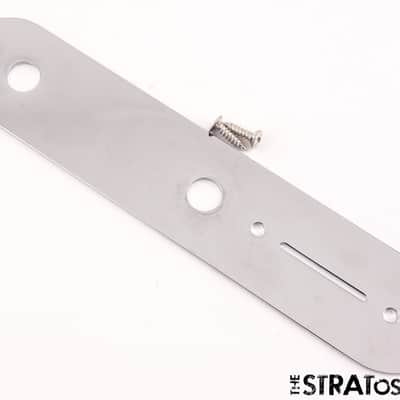
Fender Telecaster
Clean post-rock foundation (simple, reliable, responsive to effects) · 2 single-coil pickups, 25.5-inch scale, bright clean tone, simple construction(Player Tele: $600–$850 used)Best for: Post-rock players who want simplicity and reliability, bright Telecaster clean tone as effects-processing foundation, tuning stability without tremolo complications
The Fender Telecaster is used in post-rock by players who prefer simplicity over the Jazzmaster's mechanical complexity — the Telecaster's straightforward design (no floating bridge, simple controls) provides reliable performance under extreme effects usage. The bridge pickup's brightness acts as a clear signal source for delay and reverb to work with, while the neck pickup provides the warmth for ambient swells. For post-rock players who want a reliable stage instrument without maintenance complexity, the Telecaster is the recommendation. Used at $600–$850.
What to check used: The Telecaster lacks the Jazzmaster's floating tremolo — post-rock players who use pitch-drift tremolo effects in compositions will need either a separate whammy/vibrato pedal or a different guitar. The Telecaster is the post-rock choice when simplicity and tuning stability are prioritized over expressive tremolo capability.