#1
Fender Jazzmaster
Alternative rock offset standard (Radiohead, Sonic Youth, R.E.M.) · Offset body, 2 Jazzmaster single-coil pickups, floating tremolo, rhythm/lead circuit, 25.5-inch scale($700–$1,200 used: American Vintage / American Original)Best for: 1990s and 2000s alternative rock, Radiohead and Sonic Youth guitar reference, tremolo for expressive playing, independent rhythm/lead circuits for versatile stage use
The Fender Jazzmaster is the canonical alternative rock guitar — Jonny Greenwood and Ed O'Brien (Radiohead), Thurston Moore and Lee Ranaldo (Sonic Youth), Peter Buck (R.E.M.), and many alternative rock guitarists use Jazzmasters for their warm, resonant single-coil character and expressive tremolo. The floating tremolo produces the pitch drift and swell that is characteristic of alternative rock's textural playing style. Used at $700–$1,200.
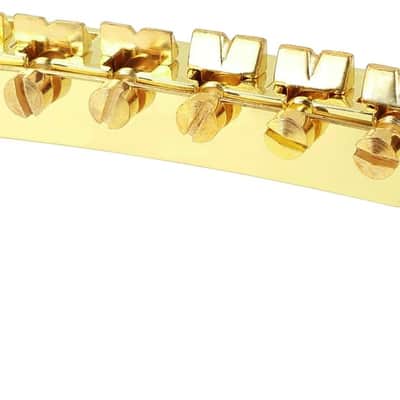
What to check used: The Jazzmaster's floating bridge requires maintenance knowledge for stable performance — the saddles can rattle and the bridge can shift under heavy tremolo use. A Mastery Bridge upgrade ($160) stabilizes the instrument for live use. The dual circuit is also complex initially; allow time to learn the full control layout.
#2
Fender Jaguar
Short-scale alternative offset (Dinosaur Jr., Sebadoh, Modest Mouse) · 24-inch scale, offset body, 2 Jaguar single-coil pickups, dual-circuit, floating bridge, chrome control plate(American Vintage II: $900–$1,300 used)Best for: Alternative rock and indie, J. Mascis Dinosaur Jr. lead tone, short-scale feel for expressive alternative playing, dual-circuit versatility
The Fender Jaguar is used across alternative rock — J. Mascis (Dinosaur Jr.) uses Jaguars for his signature loud, melodic alternative rock lead style; Isaac Brock (Modest Mouse) uses Jaguars for their nasal, cutting single-coil tone through heavy distortion. The 24-inch short scale produces a distinctly slinky feel under heavy distortion that suits alternative rock's combination of delicate clean passages and wall-of-noise distortion. Used at $900–$1,300.
What to check used: Same floating bridge considerations as the Jazzmaster apply. The 24-inch scale requires heavier string gauges (0.011 or 0.012) to maintain appropriate string tension for alternative rock playing.
#3
Gibson SG Standard
Humbucker alternative (Smashing Pumpkins, Jack White style) · Mahogany body, 2 humbuckers, double-cutaway, 22 frets, 24.75-inch scale, American-made$900–$1,300 usedBest for: Heavy alternative rock with humbucker warmth, Billy Corgan-era SG-style alternative, Jack White and White Stripes alternative tone
The Gibson SG is used in heavy alternative rock contexts — Billy Corgan (Smashing Pumpkins) is associated with Les Paul and SG format guitars for his distorted alternative lead tone. Jack White (White Stripes, Raconteurs) uses Gibson guitars for his raw, primal alternative rock approach. For alternative rock players who want humbucker warmth rather than single-coil character through distortion, the SG is the recommendation. Used at $900–$1,300.
What to check used: The SG at this price is for serious alternative rock players who specifically want the humbucker alternative rock character. For budget-constrained beginners, the Epiphone SG Standard ($240–$340 used) provides comparable character at lower cost.
#4
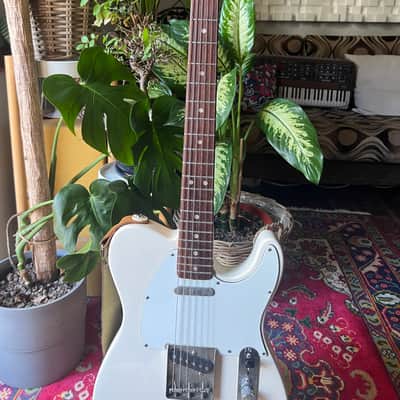
Fender Telecaster
Versatile alternative rock workhorse (R.E.M., Pixies, Radiohead) · 2 single-coil pickups, 25.5-inch scale, hard maple neck, alder body(Player Tele: $600–$850 used)Best for: Alternative rock versatility, R.E.M. and Pixies guitar reference, bright clean parts and cutting distorted alternative rock tone
The Fender Telecaster is used by alternative rock artists across multiple eras — Peter Buck (R.E.M.) used Rickenbackers and Telecasters, Black Francis (Pixies) uses Telecasters for the Pixies' quiet-loud dynamic alternative approach, and various Britpop and alternative artists prefer the Telecaster's simplicity and reliability. The Telecaster covers the widest range of alternative rock styles without the maintenance complexity of offset instruments. Used at $600–$850.
What to check used: The Telecaster is the practical choice for touring alternative rock musicians who need reliability without maintenance complexity. It is less specifically associated with alternative rock than the Jazzmaster or Jaguar but more reliably functional for extended touring.
#5
Squier Classic Vibe 60s Jazzmaster
Budget Jazzmaster for alternative beginners · Alder body, Fender-designed single-coil pickups, offset body, floating tremolo (simplified), 25.5-inch scale$350–$430 new / $220–$300 usedBest for: Budget entry into Jazzmaster alternative rock tone, Classic Vibe quality, offset guitar exploration at accessible price
The Squier Classic Vibe 60s Jazzmaster is the accessible Jazzmaster entry for alternative rock beginners — Fender-designed single-coil pickups and the Jazzmaster body at $220–$300 used provides the essential character at minimal cost. For players who want to explore the Jazzmaster's alternative rock aesthetic without Fender American prices, the Classic Vibe is the starting point. Used at $220–$300.
What to check used: The Classic Vibe's floating bridge and pickups are simplified versions of the American Jazzmaster's specifications. These limitations are expected at the price and acceptable for learning and development, but players who gig regularly with alternative bands should budget for the upgrade to American-tier Jazzmaster.
#6
PRS CE 24
Modern alternative versatility · Mahogany body, maple top, 2 PRS 85/15 humbuckers with coil tap, 25-inch scale, bolt-on neck$1,000–$1,350 usedBest for: Modern alternative rock versatility across clean and heavy styles, coil tap for both Jazzmaster-like clarity and humbucker alternative power, American craftsmanship
The PRS CE 24 is the modern alternative rock recommendation for players who want versatility — the 85/15 humbuckers with coil tap provide both humbucker warmth for heavy alternative and single-coil clarity for jangly alternative chord work. For alternative rock players who need one guitar for both the quiet verse clean parts and heavy distorted chorus sections, the PRS CE 24 covers both. Used at $1,000–$1,350.
What to check used: PRS instruments have a polished, refined character that some alternative rock players find too 'clean' or 'professional' for the rawer alternative rock aesthetic they are targeting. The Jazzmaster or Jaguar's offset character is more specific to the alternative genre; the PRS is the versatile modern choice.
#7
Ibanez RG421
Higher-gain alternative (Deftones, Weezer heavier alternative) · Alder body, 2 Quantum humbuckers, fixed bridge, 25.5-inch scale, thin Ibanez neck profile$380–$430 new / $250–$340 usedBest for: Heavier alternative rock and alt-metal, Deftones and Tool adjacent alternative styles, Ibanez slim neck for technical alternative playing
The Ibanez RG421 is the recommendation for heavier alternative rock players whose influences trend toward Deftones, Tool, or Weezer-adjacent alternative — the Quantum humbuckers provide tighter, higher-output distortion for heavier alternative styles, and the slim Ibanez neck profile suits faster, more technical alternative playing. At $250–$340 used, the RG421 provides excellent value for heavier alternative rock. Used at $250–$340.
What to check used: The Ibanez RG421 is specifically for heavier alternative rock — it does not capture the offset guitar character of the Jazzmaster or the raw simplicity of the Telecaster. Players whose alternative rock influences are primarily 90s indie, shoegaze, or jangle-pop should choose offset or Telecaster instruments over the Ibanez.
#8
Epiphone SG Standard
Budget alternative humbucker · Mahogany body, 2 Alnico Classic Pro humbuckers, double-cutaway, 22 frets, 24.75-inch scale$240–$340 usedBest for: Budget alternative rock guitar, humbucker distortion for heavier alternative styles, double-cutaway fret access
The Epiphone SG Standard is the budget option for alternative rock players who want humbucker-driven heavy alternative tone — $240–$340 used provides Alnico Classic Pro pickups with decent distortion character for heavier alternative playing. Used at $240–$340.
What to check used: As noted in other guides, the Epiphone SG's Alnico Classic Pro pickups are the budget version of Gibson humbucker character. For tone-critical alternative rock playing, the Gibson SG Standard ($900–$1,300 used) is the professional upgrade.
#9
Rickenbacker 360
Jangly alternative rock (R.E.M., Byrds-influenced alternative) · Semi-hollow, 2 Rickenbacker Hi-Gain single-coil pickups, 24.75-inch scale, checkerboard binding, American-made in Santa Ana CA$2,100–$2,500 new / $1,500–$2,100 usedBest for: R.E.M. and Byrds-influenced alternative rock, distinctive Rickenbacker jangle for chord-driven alternative, chiming upper-register clarity
The Rickenbacker 360 is the jangly alternative rock guitar — R.E.M.'s Peter Buck (early career), The Byrds' Roger McGuinn, and various alternative rock artists use Rickenbackers for the distinctive 12-string jangle character (the 360-12 specifically) and clear, chiming single-coil tone for open-chord alternative rock. For alternative rock players whose influences are jangle-pop, Britpop, and chord-driven alternative, the Rickenbacker 360 is the specific recommendation. Used at $1,500–$2,100.
What to check used: Rickenbacker has specific ergonomic preferences — the neck profile and body shape are distinctive. Some players love the Rickenbacker feel; others find it uncomfortable. Verify the specific instrument plays comfortably before purchasing at this price.