#1
ProCo RAT2
Hard-clipping distortion · LM308 op-amp hard clip circuit, Distortion/Filter/Volume controls, classic RAT voicing$60–$80 new / $40–$60 usedBest for: Classic rock and alternative distortion, the definitive hard-clip distortion pedal, versatile range
The ProCo RAT is one of the most influential distortion pedals ever made — used by Kurt Cobain, Jeff Beck, Radiohead, Dave Grohl, and countless others. The RAT's LM308 op-amp circuit produces hard-clipped distortion with a Filter control (low-pass filter that rolls off treble — turning counterclockwise adds treble, clockwise adds low-end warmth). The RAT2 (current production) maintains the classic circuit. Used at $40–$60.
What to check used: The RAT's Filter control is counterintuitive — it functions opposite to most EQ controls (clockwise adds bass/warmth, counterclockwise adds treble/bite). This confuses first-time users. Set Filter counterclockwise for bright, cutting rock tones; clockwise for warmer, fuller distortion.
#2
Boss DS-1
Distortion (entry level) · JFET-based distortion, Tone/Distortion/Level controls, Boss build quality, 9V$50–$65 new / $30–$50 usedBest for: Most affordable genuine distortion pedal, Cobain/Fruscante association, Boss reliability, first distortion
The Boss DS-1 is the most sold distortion pedal in history — the standard beginner distortion since 1978. Kurt Cobain, John Frusciante, and Steve Vai have all used it. At $30–$50 used, it is the most accessible introduction to distortion. The DS-1 is bright and aggressive — useful for cutting through a mix in rock and alternative contexts. Used at $30–$50.
What to check used: The DS-1 is notoriously bright and has a limited bass response at high distortion settings — many players find it harsh at maximum gain. The best DS-1 tones are at moderate distortion settings rather than maximum. Tone control clockwise adds more treble (can get harsh); counterclockwise for less bright settings.
#3
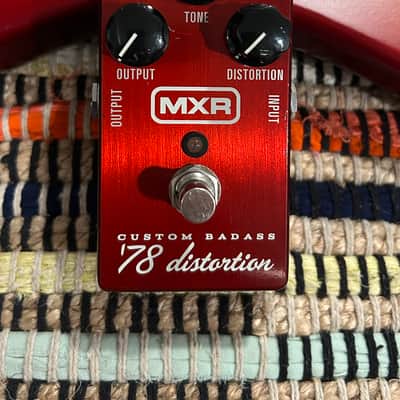
MXR M75 Super Badass Distortion
Versatile distortion with 3-band EQ · 3-band EQ (treble/mid/bass), Distortion/Output controls, wide gain range$80–$100 new / $55–$75 usedBest for: Versatile distortion with full EQ, hard rock and metal, EQ shaping for any amp, MXR quality
The MXR M75 Super Badass Distortion is MXR's versatile hard-clipping distortion with a full 3-band EQ — an advantage over the RAT and DS-1 that have only one tone control. The 3-band EQ allows compensating for different amp and guitar combinations to achieve the same distortion tone regardless of the rig. The gain range covers classic hard rock to metal. Used at $55–$75.
What to check used: More controls mean more potential for unintentionally setting the EQ incorrectly — start with all three EQ bands at noon (center) and adjust from there. The M75's versatility is an advantage for experienced players and a potential complication for beginners who have not yet developed a feel for EQ.
#4
Wampler Pinnacle Standard
Boutique high-gain distortion · Pre-gain and post-gain controls, tight switch, 3-band EQ, premium boutique circuitry$170–$200 new / $120–$160 usedBest for: Brown Sound-inspired high-gain distortion, Eddie Van Halen '80s hard rock tone, boutique quality
The Wampler Pinnacle is Wampler's Brown Sound-inspired distortion — a recreation of the natural amp distortion Eddie Van Halen achieved from his Marshall/variac combination. The Pinnacle produces tight, compressed high-gain distortion with the harmonic richness of natural tube amp saturation. A Tight switch reduces low-end flub for tight metal riffs. Used at $120–$160.
What to check used: The Pinnacle is a premium pedal at a premium price — the sonic advantage over an MXR M75 is real but subtle. Players who have never played a boutique distortion pedal may not immediately perceive the difference. The investment makes sense for players who have used standard distortion pedals and specifically want the Pinnacle's character.
#5
Friedman BE-OD Deluxe
Amp-in-a-box high-gain distortion · Dual channel (BE/HBE), 3-band EQ per channel, Tight/Sag controls, Friedman BE-100 amp simulation$220–$260 new / $160–$210 usedBest for: Friedman BE-100 amp sound in a pedal, two channels (classic and modern), studio/stage boutique quality
The Friedman BE-OD Deluxe is an amp-in-a-box distortion — it recreates the Friedman BE-100 amplifier's gain stages in a pedal format. The Friedman BE-100 is used by Warren Haynes, Jerry Cantrell, and numerous high-profile rock guitarists. The Deluxe version adds a second channel (HBE mode for more modern, compressed high-gain). For players who want the specific character of a boutique rock amplifier at pedal price, the BE-OD Deluxe is the access point. Used at $160–$210.
What to check used: The BE-OD's Tight and Sag controls require understanding — Tight controls low-end tightness (higher = tighter bass, lower = floppier), Sag simulates power amp compression (higher = more sag, more vintage feel, lower = more tightness). These controls interact with the amp's own character and require experimentation to dial in optimally.
#6
Mesa/Boogie Throttle Box EQ
High-gain metal distortion with EQ · 5-band graphic EQ, Gain/Mid Contour/Level controls, Mesa/Boogie Rectifier amp voicing$200–$250 new / $140–$190 usedBest for: Mesa/Boogie Rectifier tone in a pedal, metal and modern hard rock, 5-band EQ
The Mesa/Boogie Throttle Box EQ recreates the Dual Rectifier's high-gain channel with a 5-band graphic EQ for precise tonal control. The Rectifier tone is the foundation of modern metal and hard rock production (Tool, Metallica, countless metal recordings). For players who want the Rectifier sound without a Dual Rectifier amplifier, the Throttle Box EQ provides it. Used at $140–$190.
What to check used: The Throttle Box EQ's 5-band graphic EQ requires understanding of which frequency ranges to cut and boost for the desired metal tone. Scooped mids (lowering the mid frequencies) is the classic metal setting; raised mids produces a more forward, cutting rock tone.
#7
TC Electronic Rusty Fuzz
Classic silicon fuzz distortion · Silicon fuzz circuit, Gain/Tone/Volume, TonePrint for additional voices, classic fuzz voicing$60–$80 new / $40–$60 usedBest for: Budget silicon fuzz, classic '70s hard rock distortion, TonePrint flexibility
The TC Electronic Rusty Fuzz is a silicon fuzz with TonePrint capability — a budget entry point for classic fuzz-distortion tones at TC Electronic quality. The fuzz circuit occupies the territory between clean overdrive and metal distortion — aggressively dirty but with a musical, harmonically rich character that suits classic rock and vintage hard rock. Used at $40–$60.
What to check used: Fuzz is a distinct effect from standard distortion — it clips the signal much more aggressively and asymmetrically, producing a buzzier, more extreme sound than standard distortion pedals. Players who want smooth, controllable distortion should use the RAT or DS-1 rather than fuzz. Fuzz has a specific character that suits vintage and classic rock styles.
#8
JHS Angry Charlie V3
JCM800 Marshall-style distortion · Three-band EQ, Gain/Volume, voice switch, JHS boutique build, JCM800 amp circuit$200–$240 new / $150–$190 usedBest for: Marshall JCM800 amp sound in a pedal, classic hard rock and metal, AC/DC and Slash tone
The JHS Angry Charlie is a Marshall JCM800 amp-in-a-box — the JCM800 is the amplifier of classic hard rock (AC/DC, Guns N' Roses, Judas Priest), and the Angry Charlie recreates its gain stage with a 3-band EQ and a voice switch for additional character options. For players who want the Marshall classic rock distortion sound in pedal form, the Angry Charlie is the professional solution. Used at $150–$190.
What to check used: Amp-in-a-box pedals are most effective running into a clean or neutral-sounding amp — running an amp-simulation distortion into a high-gain amplifier compounds the coloration and can produce muddy, indistinct results. Use the Angry Charlie into a clean amplifier channel for the most accurate Marshall simulation.
#9
Boss MT-2 Metal Zone
High-gain metal distortion · High-gain circuit, 3-band EQ with mid-frequency sweep, extreme distortion range$60–$80 new / $40–$60 usedBest for: Maximum gain at budget price, metal and extreme music, very high gain ceiling, beginner metal pedal
The Boss MT-2 Metal Zone is the most aggressive budget distortion — extreme gain range with a 3-band EQ including a sweepable midrange frequency. For beginning metal players who need maximum gain at minimum cost, the MT-2 provides it. Used at $40–$60. While experienced players often find the MT-2 sounds harsh and difficult to dial in, it serves as an accessible entry point to high-gain metal territory.
What to check used: The MT-2 has a reputation for being difficult to sound good with — maximum gain settings are often harsh and buzzy, and the EQ requires significant careful adjustment. Experienced players generally prefer higher-quality distortion options (RAT, MXR M75, Wampler Pinnacle). The MT-2 is an appropriate beginner metal pedal but has real limitations.




![TC Electronic Honey Pot Fuzz Pedal [USED]](/_next/image?url=https%3A%2F%2Frvb-img.reverb.com%2Fi%2Fs--Ox1DN4jj--%2Fquality%3Dmedium-low%2Cheight%3D400%2Cwidth%3D400%2Cfit%3Dcover%2Cgravity%3Dbottom%2F109c4b37-d685-423d-943a-fc99f2299956.jpg&w=3840&q=75)