#1
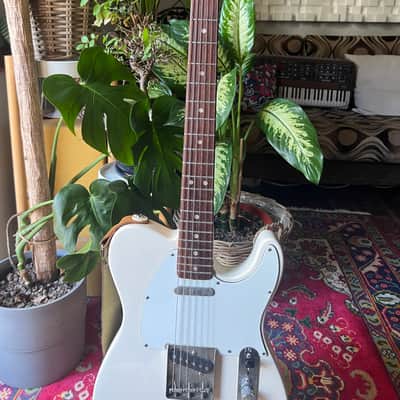
Fender Telecaster
Primary emo guitar (Dashboard Confessional, Taking Back Sunday) · 2 Telecaster single-coil pickups, 25.5-inch scale, hard maple neck, alder body, bright clean and cutting distortion(Player Tele: $600–$850 used)Best for: Most used emo guitar, clean strumming tone and distorted chord clarity, Dashboard Confessional and Taking Back Sunday reference, twangy clean parts and sharp distortion
The Fender Telecaster is the most associated guitar with post-2000 emo — Chris Carrabba (Dashboard Confessional), Fred Mascherino (Taking Back Sunday), and many emo guitarists use Telecasters for the clean, bright chord work and cutting distortion character. The bridge pickup bite translates well to emo's dynamic range from whispered clean chords to full distortion choruses. The Telecaster's simplicity and reliability suit long touring cycles. Used at $600–$850.
What to check used: Emo-style Telecaster playing requires both clean and distorted tone — verify your amplifier has a clean channel suitable for the quiet verse chords before purchasing. Most emo guitarists use a distortion or overdrive pedal (ProCo Rat, Ibanez Tube Screamer, Boss DS-1) for the distorted chorus tone rather than relying on amp distortion.
#2
Fender Jazzmaster
Indie-emo offset (Brand New, Mineral, Cap'n Jazz) · Offset body, 2 Jazzmaster single-coil pickups, floating tremolo, rhythm/lead circuit, 25.5-inch scale($700–$1,200 used: American Vintage / American Original)Best for: Indie emo and second-wave emo, Brand New and Mineral guitar aesthetic, tremolo for expressive chord swells, open-chord jangle for indie emo verse tone
The Fender Jazzmaster is closely associated with indie-influenced emo — Brand New (Jesse Lacey), Mineral, Cap'n Jazz, and many 90s-through-2000s indie emo guitarists use Jazzmasters for the warm, resonant open-chord jangle and floating tremolo expressiveness. The Jazzmaster's character suits emo's alternation between delicate, chiming clean parts and heavy distorted sections. Used at $700–$1,200.
What to check used: The Jazzmaster is more mechanically complex than the Telecaster — the floating bridge, dual circuit, and tremolo arm require setup knowledge and maintenance. Emo beginners should start with a Telecaster and graduate to Jazzmaster when familiar with basic electric guitar maintenance.
#3
Gibson SG Standard
Humbucker emo (My Chemical Romance, Thursday style) · Mahogany body, 2 humbuckers, double-cutaway, 22 frets, 24.75-inch scale, American-made$900–$1,300 usedBest for: Heavier emo and post-hardcore, My Chemical Romance and Thursday guitar reference, humbucker distortion for heavier emo styles, double-cutaway fret access for leads
The Gibson SG is associated with heavier emo — Frank Iero (My Chemical Romance) has used Les Paul and SG format guitars extensively, and the heavier emo/post-hardcore bands (Thursday, Senses Fail, Hawthorne Heights) use humbuckers for their fuller, heavier distortion character. For emo players whose influences run heavier (toward post-hardcore), the SG's humbuckers provide the appropriate distortion warmth. Used at $900–$1,300.
What to check used: The Gibson SG is more expensive than Telecaster or Jazzmaster options in the same condition range. For budget-conscious emo beginners, the Epiphone SG Standard at $240–$340 used provides comparable character at lower prices.
#4
Squier Classic Vibe 50s Telecaster
Budget Telecaster for emo beginners · Alder body, 2 Fender-designed Alnico pickups, 25.5-inch scale, vintage 50s aesthetic$350–$400 new / $220–$300 usedBest for: Budget emo guitar entry, Fender-designed Alnico single-coils for Telecaster emo character, Classic Vibe quality
The Squier Classic Vibe 50s Telecaster is the accessible Telecaster entry for emo beginners — Fender-designed Alnico single-coil pickups in the Telecaster body at $220–$300 used. The Classic Vibe is Squier's best quality tier with genuine improvements over the Affinity series. For emo beginners who want Telecaster character at minimal cost, the Classic Vibe 50s Tele is the starting point. Used at $220–$300.
What to check used: The Classic Vibe's pickups are Squier's Fender-designed production version — functional for emo but noticeably different from American Fender Telecaster pickups. As emo technique and tone preferences develop, players upgrade to Fender Player Tele ($600–$850 used) for improved tone and reliability.
#5
Epiphone SG Standard
Budget humbucker emo guitar · Mahogany body, 2 Alnico Classic Pro humbuckers, double-cutaway, 22 frets, 24.75-inch scale$240–$340 usedBest for: Budget humbucker emo tone, My Chemical Romance-style heavier emo distortion, double-cutaway comfort
The Epiphone SG Standard provides humbucker emo distortion at accessible prices — $240–$340 used covers most emo styles that favor heavier humbucker distortion (post-hardcore, heavier emo). The double-cutaway design is comfortable for standing playing. For emo beginners who want humbucker character without Gibson prices, the Epiphone SG is the recommendation. Used at $240–$340.
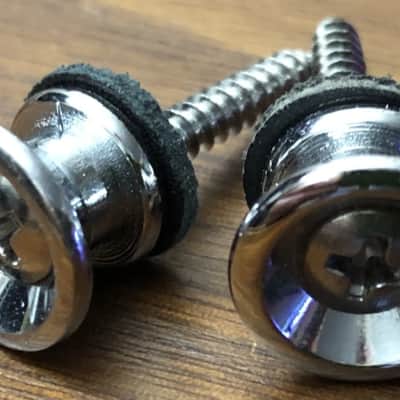
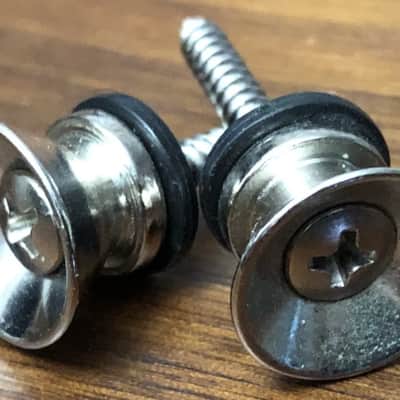
What to check used: Budget SG instruments can have neck-heavy balance issues — the double-cutaway SG shape means the guitar headstock tends to dive when played standing with a strap. Heavier strap buttons or a wide guitar strap reduces this issue. Test standing balance before purchasing.
#6
Schecter C-1 Platinum
Mid-range for heavier emo styles · 2 Schecter Diamond Plus humbuckers, mahogany body, 24 frets, 25.5-inch scale, set-neck, TonePros bridge$400–$550 usedBest for: Heavier emo and post-hardcore distortion, TonePros stability, more aggressive humbucker character for heavy emo styles
The Schecter C-1 Platinum is the recommendation for heavier emo and post-hardcore styles — the Diamond Plus humbuckers are voiced for more aggressive distortion than the Epiphone Alnico Classic Pros, and the TonePros locking bridge provides stable tuning under heavy playing. For emo players whose influences are in the heavier spectrum (post-hardcore, melodic metalcore, heavier Taking Back Sunday), the Schecter provides better character. Used at $400–$550.
What to check used: The Schecter C-1 Platinum is specifically voiced for aggressive distortion — it is less appropriate for the delicate, clean emo chord work of Dashboard Confessional or Mineral. If your emo influences are primarily acoustic-influenced or clean-verse-focused, the Telecaster is more appropriate than the Schecter.
#7
Fender Stratocaster
Versatile emo-adjacent guitar · 3 single-coil pickups, 5-position switch for tonal variety, 25.5-inch scale, tremolo for expressive playing(Player Strat: $600–$850 used)Best for: Emo players who also play other genres, middle pickup for warm clean emo chord tone, tremolo for expressive swells
The Fender Stratocaster is used by emo-adjacent artists and players who want versatility beyond the Telecaster character — the middle pickup position provides warm, jangly clean tone for emo chord work, and the bridge pickup provides bright distortion. The tremolo arm allows expressive chord swells used in post-rock-influenced emo. Used at $600–$850.
What to check used: The Stratocaster is not the canonical emo guitar — the Telecaster and Jazzmaster are more specifically associated with emo genres. The Stratocaster is the versatile choice for players who play emo plus blues, rock, or other genres. For dedicated emo tone, the Telecaster is the more specific recommendation.
#8
Fender Jaguar
Short-scale offset for indie emo and alternative · 24-inch scale, offset body, 2 Jaguar single-coil pickups, dual-circuit, floating bridge(American Vintage II: $900–$1,300 used)Best for: Indie emo and alternative, J. Mascis-style emo playing, short-scale comfort for emo chord work
The Fender Jaguar is used in indie-emo contexts similar to the Jazzmaster — J. Mascis (Dinosaur Jr., emo's proto-ancestor) uses Jaguars for his distorted, melodic playing style. Various indie and emo guitarists use Jaguars for the bright, cutting short-scale character. The 24-inch scale produces a slinky feel that suits emo's dynamic technique of soft verse and heavy chorus playing. Used at $900–$1,300.
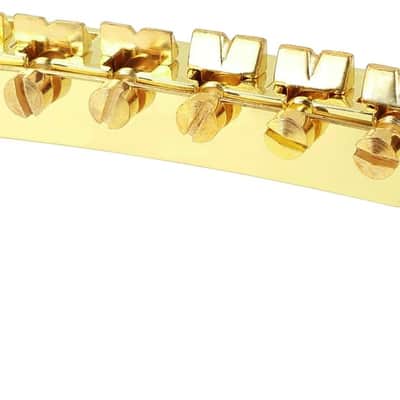
What to check used: The Jaguar floating bridge is the same maintenance concern as the Jazzmaster — plan for Mastery Bridge upgrade ($160) if stability is a priority. The Jaguar is better suited to experienced players comfortable with offset guitar mechanics.