#1
Gibson SG Standard
Doom metal icon (Tony Iommi, Black Sabbath genesis of doom) · Mahogany body, 2 humbuckers, double-cutaway, 24.75-inch scale, set neck, thin resonant body$900–$1,300 usedBest for: Tony Iommi Black Sabbath doom metal tone, mahogany warmth through high gain for heavy slow riffs, lighter weight for extended doom performance, upper-fret access for doom leads
The Gibson SG Standard is the original doom metal guitar — Tony Iommi (Black Sabbath) used a Gibson SG (modified with lighter strings due to his finger injury) to create the heavy, slow riff approach that became doom metal on 'Black Sabbath,' 'Iron Man,' and 'War Pigs.' The SG's thin mahogany body produces a naturally warm, slightly dark tone through high-gain distortion that defines doom metal's wall-of-tone character. The SG is lighter than the Les Paul, important for doom performances that require heavy string gauges and extended playing. Used at $900–$1,300.
What to check used: Doom metal SG playing uses heavy string gauges (0.012-0.056 or heavier) in dropped or down tunings (C#/Db, C standard, B standard). The SG's short 24.75-inch scale at heavy string gauges in low tunings requires careful setup — truss rod adjustment and proper nut slots for heavy gauge strings. Professional setup is essential when changing to heavy string gauges.
#2
Gibson Les Paul Standard
Heavy doom sustain (Witchfinder General, traditional doom) · Mahogany body, maple top, 2 humbuckers, 24.75-inch scale, set neck, heavy weight$2,200–$3,000 usedBest for: Traditional doom metal, maximum sustain and resonance for slow doom riffs, heavy mahogany construction for dense doom wall of sound, Les Paul thick neck for heavy doom string tension
The Gibson Les Paul Standard provides the heaviest acoustic sustain for doom metal — the heavy mahogany body resonates at low frequencies essential for doom's dense, thick sound. While Tony Iommi used an SG, many traditional doom players (Cathedral, Saint Vitus) use Les Pauls for the denser, more sustaining character. The Les Paul's weight, while burdensome for some playing styles, contributes to the guitar's acoustic resonance at heavy doom tunings. Used at $2,200–$3,000.
What to check used: The Les Paul's weight (8-10 lbs without chambering) may cause physical discomfort during extended doom performances that involve heavy, physical playing technique. Weight relief Les Paul versions (chambered body) are lighter but produce slightly different acoustic character. Many doom guitarists prefer the SG's lighter weight without significant tonal sacrifice.
#3
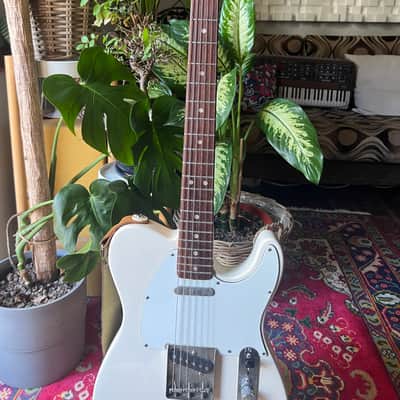
Fender Jazzmaster
Alternative doom (Sleep, Sunn O))), shoegaze-doom crossover) · Offset body, 2 Jazzmaster single-coil pickups, floating tremolo, rhythm/lead circuit, warm bass-heavy clean tone(American Vintage II: $700–$1,200 used)Best for: Alternative doom and drone metal, Sleep and Sunn O)))-adjacent doom guitar, offset warm single-coil through massive fuzz for drone doom, Jazzmaster resonance for doom ambient passages
The Fender Jazzmaster appears in alternative doom and drone metal — Al Cisneros (Sleep) and the drone doom tradition use offset guitars through massive fuzz and low tunings. The Jazzmaster's warm, bass-heavy rhythm circuit provides a foundation for fuzz-based doom that produces a different character from humbucker instruments — more open, resonant, and slightly nasal through large amounts of fuzz. The floating tremolo allows subtle pitch bends in drone doom passages. Used at $700–$1,200.
What to check used: Single-coil pickups (Jazzmaster, Telecaster) in doom context require different fuzz interaction than humbucker instruments — single-coils through Big Muff-style fuzz produce a nasal, buzzy doom character that's authentic but different from humbucker doom. Some doom players prefer the traditional humbucker SG/Les Paul approach; others embrace the single-coil fuzz texture for its unique character.
#4
PRS Custom 24
Modern doom versatility · Mahogany body, maple top, 2 PRS 85/15 humbuckers, 25-inch scale, 24 frets$1,600–$2,500 usedBest for: Modern doom metal versatility, 85/15 humbucker warmth for doom riffs and leads, 25-inch scale slightly tighter than Gibson for low tunings, PRS sustain for doom
The PRS Custom 24 suits modern doom players who want PRS sustain and build quality in a doom context — the 85/15 humbuckers produce warm, sustaining doom tone with good low-end definition that doesn't wash out at heavy fuzz and low tunings. The 25-inch scale is slightly tighter than Gibson at doom tunings. Used at $1,600–$2,500.
What to check used: PRS has a refined character that some doom musicians find too polished for the raw, primitive character that many doom genres embrace. Gibson SG and Les Paul instruments have vintage mechanical personality better suited to traditional doom aesthetics. PRS is appropriate for modern production doom; Gibson suits traditional doom aesthetics.
#5
Epiphone SG Standard
Budget doom SG (Iommi-style without Gibson investment) · Mahogany body, 2 Alnico Classic Pro humbuckers, 24.75-inch scale, set neck$380–$500 new / $240–$360 usedBest for: Doom beginners who want Iommi-style SG character at accessible prices, Alnico Classic Pro warmth for doom riffs, accessible set-neck mahogany doom guitar
The Epiphone SG Standard provides Iommi SG doom character at accessible prices — Alnico Classic Pro humbuckers produce warm, saturated doom tone suitable for heavy riff playing at $240–$360 used. For doom players who want to develop the genre on an SG-style instrument before investing in a Gibson, the Epiphone is the recommendation. Used at $240–$360.
What to check used: Epiphone Alnico Classic Pro pickups are good quality but less refined than Gibson humbuckers — the warmth and output are similar, but the harmonic complexity and sustain are less developed. For live doom gigs where tone through a large fuzz stack is the primary concern, the Epiphone is an excellent working instrument.
#6
Gibson Flying V
Doom metal visual icon (classic shape) · Mahogany body, 2 BurstBucker Pro humbuckers, 24.75-inch scale, set neck$1,700–$2,200 usedBest for: Doom metal with classic visual impact, Flying V mahogany sustain for doom, stage presence for doom performance, vintage-era doom aesthetic (Witchfinder General, Saint Vitus)
The Gibson Flying V is used in traditional doom metal for its visual impact and mahogany sustain — several traditional doom bands have used Flying Vs for the classic metal shape combined with Gibson mahogany warmth. The Flying V's visual presence suits doom's theatrical aesthetic. Used at $1,700–$2,200.
What to check used: Same seated playing issue as thrash Flying V playing — the V shape is primarily a standing/stage instrument. Doom compositions may involve extended songwriting sessions seated, making the Flying V impractical for practice and writing. Use the Flying V for performance and an SG or Les Paul for songwriting.
#7
Hamer Studio
Boutique doom (used by doom professionals) · Mahogany body, carved maple top, Seymour Duncan Seth Lover humbuckers, 24.75-inch scale, set neck, limited production$800–$1,200 usedBest for: Discerning doom players who want boutique American guitar quality at below-Gibson prices, Seth Lover humbucker design for authentic PAF doom warmth
The Hamer Studio is a boutique Les Paul-style guitar used by some professional doom players — Seymour Duncan Seth Lover pickups are based on original PAF humbucker design, producing the warm, vintage humbucker character that suits traditional doom. Hamer's USA manufacturing quality is excellent. Used at $800–$1,200, the Studio is an alternative to Gibson for players who want PAF-style humbucker doom character at lower cost. Used at $800–$1,200.
What to check used: Hamer discontinued production — the used market is the only source, with limited options. Service and support is less available than for active Gibson/Epiphone production instruments. The Hamer Studio is an excellent find when available; don't expect the used market depth of Gibson or Ibanez.
#8
Ibanez RGA series
Technical doom and sludge metal · Mahogany body, 2 DiMarzio or EMG humbuckers, 25.5-inch scale, arched top, 24 frets, fixed bridge$600–$900 used (RGA121)Best for: Technical doom and sludge metal that combines doom's heaviness with technical lead playing, 25.5-inch scale for tightness at doom tunings, arched mahogany body for acoustic warmth
The Ibanez RGA series suits technical doom and sludge metal that incorporates fusion elements — the arched mahogany body produces warmer acoustic character than the standard RG basswood body, combining Ibanez's fast neck and 25.5-inch scale tightness with more warmth. For doom players who also incorporate technical lead sections, the RGA provides the best of both. Used at $600–$900.
What to check used: The RGA is less suited to pure traditional doom than Gibson instruments — the Ibanez character is more articulate and precise than the warm, vintage Gibson tone that defines classic doom. The RGA is the recommendation for modern doom with technical elements; the SG or Les Paul is the recommendation for traditional doom.
#9
ESP LTD EC-1000
Modern doom-metal (EMG 81/60 for driven doom) · Mahogany body, maple top, EMG 81/60 active humbuckers, Set-Thru neck, 25.5-inch scale, TonePros bridge$800–$1,100 usedBest for: Modern production doom, EMG 81/60 active for clear articulation through doom fuzz and high gain, fixed bridge for tuning stability at doom down-tunings
The ESP LTD EC-1000 suits modern production doom where clarity through high-gain fuzz is critical — the EMG 81 active pickup maintains note definition even at extreme doom gain levels and heavy low tunings where passive pickups can lose definition. The fixed TonePros bridge provides maximum tuning stability at doom down-tunings (C, B, A standard). Used at $800–$1,100.
What to check used: EMG active pickups require battery — dead battery in doom performance produces total silence. Keep a fresh battery and spare. Active pickup doom tone is different from passive pickup doom — EMG active pickups are more articulate and clinical; traditional doom tone (Black Sabbath, Saint Vitus) uses passive pickups for their more organic, slightly loose character.