#1
Fender Blues Junior IV
15W tube (most recommended home studio recording amp) · 15W tube (EL84 power tubes), 12-inch speaker, reverb, clean channel only, compact, approximately 30 lbs$600–$700 new / $400–$550 usedBest for: Best home studio recording amp, manageable recording volume at 15W, warm tube character without needing high volume, clean and light-breakup recording across all genres
The Fender Blues Junior IV is the most recommended home studio recording amp — 15W is loud enough to produce warm tube character but low enough to record at reasonable volumes without neighbor complaints or excessive room treatment requirements. The Blues Junior's EL84 power tubes break up naturally at moderate volumes, producing the light harmonic saturation that makes recorded tube amp tones superior to dry direct signals. The 12-inch speaker fills the frequency range recording engineers expect. At $400–$550 used, the Blues Junior represents excellent value. Used at $400–$550.
What to check used: The Blues Junior has only a clean channel — there is no built-in overdrive channel. For recording styles that require high-gain distortion (metal, hard rock), an overdrive pedal (Boss DS-1, Ibanez TS9) fed into the Blues Junior provides the gain. Or choose an amp with a drive channel (Marshall DSL20, Blackstar HT-5) for higher-gain recording.
#2
Fender Princeton Reverb (reissue)
12W tube (perfect apartment and studio recording amp) · 12W (6V6 power tubes), 10-inch speaker, spring reverb and tremolo, American Fender clean tone, compact and portable$1,100–$1,200 new / $700–$1,000 usedBest for: Perfect apartment recording amp, 12W for bedroom studio recording, Fender spring reverb included, 6V6 power tubes for warm American clean break-up, compact for small studios
The Fender Princeton Reverb is a studio-favorite recording amp — small enough for apartment recording at reasonable volumes, warm 6V6 power tube break-up at attainable volumes, built-in spring reverb, and the classic American Fender clean character. The 10-inch speaker reproduces the focused Princeton tone that engineers know. Many professional recordings (Nile Rodgers, studio work) use a Princeton-size Fender in the chain. Used at $700–$1,000.
What to check used: The Princeton Reverb is specifically a clean-to-light-breakup amp — it does not have a gain channel and is not appropriate for high-gain recording without external overdrive pedals. The 10-inch speaker sounds different from a 12-inch (tighter, more focused) — verify the Princeton's tonal character suits your recording style before purchasing.
#3
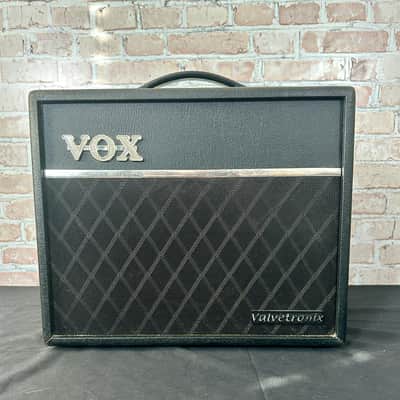
Vox AC15C1
15W Class A EL84 (British chimey recording character) · 15W Class A (EL84 power tubes), 12-inch Celestion Greenback, top boost channel, tremolo, Vox reverb tank$700–$800 new / $480–$650 usedBest for: British recording tone, chimey clean and breakup for indie, alternative, and classic rock recording, Celestion Greenback speaker character in recorded mixes
The Vox AC15 is the British recording amp — EL84 power tubes produce a chimey, harmonic-rich breakup different from American EL34 or 6V6 tube character. The Celestion Greenback speaker has a paper-cone breakup character that records beautifully. AC15 is used across indie, alternative, rock, and blues recordings for its warm, slightly compressed Class A tube character. At $480–$650 used, the AC15 is an excellent value for its recording character. Used at $480–$650.
What to check used: The Vox AC15 is not a high-headroom clean amplifier — Class A configuration means it breaks up relatively early, which is the desired character for recording. Players who need a pristine clean sound at recording volumes should choose the Fender Blues Junior or Princeton Reverb instead. The AC15's character is specifically breakup-at-volume, which many styles want but not all.
#4
Blackstar HT-5R MkII
5W tube with gain channel (apartment studio specialist) · 5W (ECC83 tubes), 12-inch speaker, 2 channels (clean and overdrive), ISF (Infinite Shape Feature) tone control, effects loop$400–$450 new / $270–$370 usedBest for: Apartment home studio recording at minimum volumes, 5W for quiet recording, two channels for clean and overdrive recording, ISF tone shaping, affordable tube recording character
The Blackstar HT-5R is the recommended home studio amp for players in apartments or rooms where minimum volume is a priority — 5W is remarkably quiet compared to 15W or 22W amps while still producing genuine tube character. The overdrive channel at 5W can produce recorded overdrive at volumes that do not disturb housemates. The ISF tone control provides effective British/American character adjustment. At $270–$370 used, the HT-5R is excellent value for a two-channel tube recording amp. Used at $270–$370.
What to check used: The Blackstar HT-5R's 5W output means it naturally saturates at lower volumes than 15W+ amps — the tone changes character as volume increases, but the range is narrow. Players who want clean headroom at apartment volumes need the Blues Junior or Princeton (which can be run clean at lower volumes). The HT-5R is specifically for players who want tube breakup at quiet volumes.
#5
Fender Deluxe Reverb (reissue)
22W classic recording studio workhorse · 22W (6V6 power tubes), 12-inch speaker, spring reverb and tremolo, American Fender clean headroom, professional studio standard$1,200–$1,400 new / $750–$1,100 usedBest for: Professional studio recording, 22W for controlled tube saturation, Fender spring reverb, clean headroom for session recording across multiple styles
The Fender Deluxe Reverb is the professional studio recording amp — it appears in more studio equipment lists and album credits than almost any other amplifier. 22W provides more clean headroom than the Blues Junior, allowing recording engineers to control the amount of tube saturation by selecting how hard the power amp is driven. The built-in spring reverb is the classic recording reverb reference. For professional recording or players who want the studio-standard Fender recording tone, the Deluxe Reverb is the recommendation. Used at $750–$1,100.
What to check used: The Deluxe Reverb at 22W requires more volume to fully drive the power tubes into saturation than the Blues Junior at 15W — in a home studio, the Deluxe Reverb may need to be run at volumes that are too loud for the space to produce its full character. For apartment recording, the Blues Junior or HT-5R are more practical. The Deluxe Reverb is ideal for dedicated studio rooms or homes where volume is acceptable.
#6
Marshall DSL20CR
20W Marshall with clean and overdrive for rock recording · 20W (EL34 power tubes), 12-inch speaker, 2 channels (clean and overdrive), 5W switch, effects loop, resonance/presence controls$700–$800 new / $450–$620 usedBest for: British Marshall recording tone, EL34 power tubes for rock midrange character, built-in overdrive channel for recording high-gain styles, 5W switch for apartment recording
The Marshall DSL20CR is the recommended recording amp for players who specifically need Marshall British EL34 tone — the compressed midrange character of EL34 tubes is the defining sound of rock recording from Cream through Guns N Roses through modern rock. The 5W switch allows partial power-tube operation for apartment recording at manageable volumes. The built-in overdrive channel eliminates the need for an overdrive pedal for high-gain recording. At $450–$620 used, the DSL20CR is exceptional value for recording rock. Used at $450–$620.
What to check used: The Marshall DSL20CR's overdrive channel is high-gain and specifically voiced for classic Marshall rock — it is less versatile for clean neo-soul, jazz, or country than the Fender Blues Junior. Choose based on which recording style you primarily need: Marshall for rock, Fender for clean/blues styles.
#7
Boss Katana 50 MkII
Digital modeling (silent recording with headphones and USB) · 50W digital modeling (also 25W, 12.5W, 0.5W, 0W with line-out), multiple amp models, built-in effects, USB audio interface capability$300–$350 new / $200–$270 usedBest for: Silent recording at 0.5W or through headphone output, USB audio interface for direct recording, multiple amp model characters, most affordable recording solution
The Boss Katana 50 is the recommended recording amp for players who primarily record digitally or silently — the 0.5W setting and 0W line output allow recording in complete silence (apartment-safe), the USB connection allows direct recording into DAW software, and the amp models cover clean, crunch, and high-gain styles. For players in apartments where no amplifier volume is possible, the Katana is the practical recording solution. At $200–$270 used, it is extremely accessible. Used at $200–$270.
What to check used: The Boss Katana 50's digital modeling does not produce the same recorded tone as a real tube amplifier through a microphone — the USB output is convenient but sounds 'digital' compared to a mic'd tube amp in a mix. For professional recording, the Katana is a convenient tool; for tone-critical recording, a tube amp through a microphone (Shure SM57) produces noticeably better results.
#8
Mesa/Boogie Mark V:25
25W boutique recording amp (best high-gain recording character) · 25W/10W/5W switchable, EL84/6L6 selectable, 5 modes covering clean through Mark IV high-gain, built-in reverb, recording output$1,600–$1,800 new / $1,100–$1,500 usedBest for: Professional high-gain recording, 5W for bedroom studio, EL84/6L6 selection for American or British character, Mark IV mode for metal and rock recording, boutique recording quality
The Mesa/Boogie Mark V:25 is the professional recording amp for players who need clean-to-extremely-high-gain versatility — 5W/10W/25W wattage selection, EL84 or 6L6 power tube selection, and 5 channel modes covering everything from clean jazz to Mark IV high-gain metal. The Mark V:25 is the professional studio tool when a single amp must cover multiple recording styles. At $1,100–$1,500 used, it is a premium but highly capable investment. Used at $1,100–$1,500.
What to check used: The Mesa/Boogie Mark V:25 has a complex menu of switches and controls — the 5 modes, wattage selections, and tone stacks require significant time to learn. This is the correct investment for experienced players who record multiple styles; less appropriate for recording beginners who would be overwhelmed by the options.
#9
Two-Rock Classic Reverb Signature
Boutique clean recording amp (professional studio reference) · Hand-wired boutique, 6L6 power tubes, lush reverb, American Fender-inspired tone with premium components, made in USA$3,500–$4,000 new / $2,500–$3,500 usedBest for: Professional clean recording reference, boutique hand-wired construction for maximum tonal resolution, used by John Mayer and professional studio engineers, premium recording investment
The Two-Rock Classic Reverb Signature is the premium professional recording amp — boutique hand-wired construction, premium components, and the tonal resolution that recording engineers and producers pay for at professional studios. John Mayer uses Two-Rock amplifiers for his neo-soul and blues recording work. For players who record professionally and need the absolute best clean recording tone, Two-Rock is the recommendation. Used at $2,500–$3,500.
What to check used: The Two-Rock is an extremely premium investment appropriate for professional working musicians and committed enthusiasts. The tonal advantage over a Fender Deluxe Reverb ($750–$1,100 used) is real but subtle — most home studio recordings will not be limited by the amplifier quality at this level. The Two-Rock is the correct investment for professional players; the Blues Junior or Deluxe Reverb is appropriate for home studio recording.