#1
Fender Blues Junior IV
Low-watt tube amp (15W) · 15 watts, 12AX7/EL84 tubes, 12-inch speaker, spring reverb, Tone Stack controls, Fat switch$550–$650 new / $380–$480 usedBest for: Classic tube tone at home, enough volume for small gigs, Fender clean and blues tone, classic reverb
The Fender Blues Junior IV is the most popular low-watt tube amp for home use — 15 watts with EL84 power tubes produces the chimey, clean Fender tone that breaks up naturally when pushed. The onboard spring reverb is excellent quality. At home volumes (5-9 on the volume dial), the Blues Junior remains within apartment-livable levels while producing genuine tube tone. The Blues Junior has been the standard home tube amp recommendation since its introduction in 1990. Used at $380–$480.
What to check used: 15 watts is still significant volume in a home environment — at the volumes where the Blues Junior's tubes break up musically (above 5 on the volume knob), it is louder than most neighbors will tolerate. An attenuator (Weber Mass, Tone King Ironman) can reduce the speaker volume while maintaining the tube saturation that makes the amp desirable. Budget $100-200 for an attenuator if you want to push the tubes at home.
#2
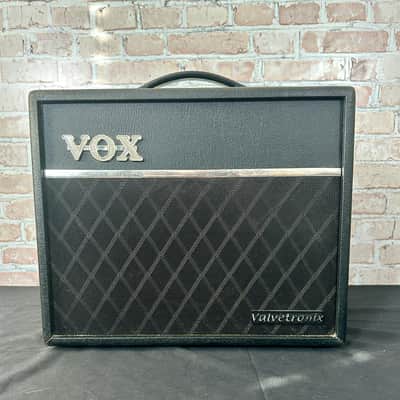
Vox AC10C1
Low-watt tube amp (10W) · 10 watts, 12AX7/EL84 tubes, 10-inch Celestion speaker, Top Boost channel, reverb$450–$550 new / $300–$400 usedBest for: Vox chime and jangle at home volume, lower wattage than Blues Junior, Top Boost gain staging
The Vox AC10C1 is 10 watts — lower than the Blues Junior, more suitable for apartment use at volumes where the tubes can work. The AC10C1 produces the classic Vox chimey, bright tone associated with British Invasion and classic rock. The 10-inch Celestion speaker contributes to the bright, present character. EL84 tubes produce beautiful breakup at relatively lower volumes than American-voiced EL34 and 6L6 amps. Used at $300–$400.
What to check used: The AC10C1's Top Boost channel has a very different gain character from American-style amps — it is brighter and more immediate. Players who prefer American-voiced clean tones (Fender-style) may find the Vox Top Boost character takes adjustment. The AC10C1 is specifically for players who want Vox's British chime.
#3
Blackstar HT-1R MkII
Ultra-low watt tube amp (1W) · 1 watt, ECC83/ECC82 tubes, 8-inch speaker, reverb, emulated output for silent recording, two channels$200–$250 new / $140–$190 usedBest for: Smallest home tube amp, 1 watt for true apartment use, emulated recording output, two channels
The Blackstar HT-1R MkII is the most apartment-friendly tube amp — at 1 watt, it produces genuine tube overdrive at volumes that are truly quiet. The emulated output allows silent recording (plugs into an interface or recorder directly with speaker simulation). Two channels (Clean and Overdrive) cover clean rhythm and dirty lead tones. For players who live in apartments and cannot make any noise but still want tube tone, the HT-1R is the practical solution. Used at $140–$190.
What to check used: 1 watt is genuinely quiet — but at volumes where the HT-1R's tubes produce saturation, it is still audible in adjacent rooms. The emulated output for silent recording is essential for true silence. The HT-1R's speaker (8-inch) cannot produce the full-bodied low-end that larger-speaker amps provide — the tone character reflects the small speaker's limitations.
#4
Boss Katana-50 MkII
Solid-state modeling amp (50W) · 50 watts (switchable 0.5W/25W/50W), Boss Tone Studio software, 5 amp characters, effects section$250–$300 new / $170–$220 usedBest for: Most versatile home amp, power-level switch for quiet use, Boss effects quality, value
The Boss Katana-50 MkII is the most versatile home amp — the power-level switch (0.5W/25W/50W) allows truly quiet playing at 0.5 watts while maintaining the same amp character as the full-power setting. Boss Tone Studio software provides access to hundreds of amp models and effects. At $170–$220 used, the Katana-50 is the most practical all-around home amp for players who want variety and quiet playing in one unit.
What to check used: The Katana's solid-state nature produces a different feel than tube amps under the fingers — some players prefer tube amp compression and dynamics. The Katana is excellent at what it does (versatile, quiet, feature-rich) but it is not a tube amp and does not feel like one. Players who specifically want tube tone should consider the Blues Junior, AC10C1, or HT-1R.
#5
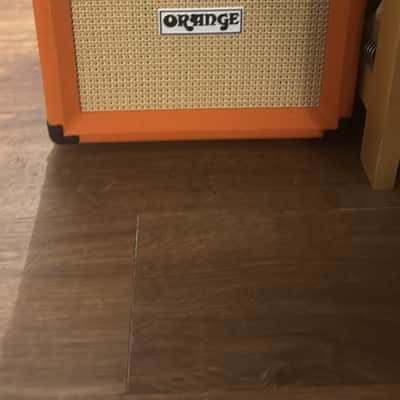
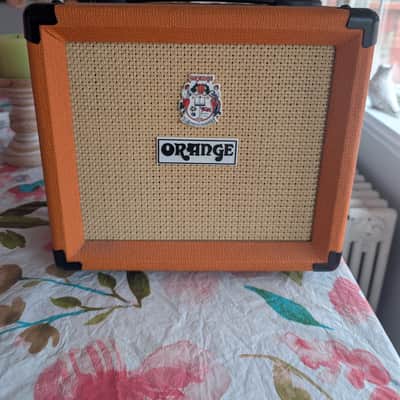
Orange Crush 20RT
Solid-state amp (20W) with reverb and tuner · 20 watts, built-in reverb and tuner, 8-inch speaker, Orange voicing, headphone out$220–$260 new / $150–$190 usedBest for: Orange tone at home volume, built-in tuner, headphone output for silent practice, warm rock tone
The Orange Crush 20RT provides Orange's warm, punchy amp character with a built-in tuner, reverb, and headphone output. Orange amps are known for their organic, warm tone with natural compression. The 20-watt range is practical for home use with minimal neighbor concern. The headphone output allows silent practice while maintaining the Orange character. Used at $150–$190.
What to check used: The Orange Crush 20RT has a voiced EQ character — Orange's preamp voicing adds warmth and low-mid emphasis that suits rock and blues but may feel colored for players who want a neutral reference tone. The Orange sound is distinctive; players who want a more neutral amp (for accurate monitoring) should use the Fender or Boss Katana.
#6
Fender Champion 20
Solid-state amp (20W) with effects · 20 watts, 8-inch speaker, 16 amp voices, built-in effects, headphone out, USB, Fender brand$130–$160 new / $90–$120 usedBest for: Budget home amp with effects, Fender amp voicings, multiple effects, beginner-friendly value
The Fender Champion 20 is the budget home amp with the best value-to-feature ratio — 16 amp voice models (including classic Fender, British, and high-gain options), built-in effects, headphone output for silent practice, and USB for recording. At $90–$120 used, the Champion 20 is the practical starting point for players who want variety and effects without a large investment. Used at $90–$120.
What to check used: At this price point, the amp models and effects are good but not as refined as higher-priced options. The Fender Champion 20 is a functional practice tool; players who are particular about tone quality will find the limitations noticeable. Appropriate for beginners and casual practice; upgrade to the Katana-50 or tube options when tone quality becomes a priority.
#7
Fender Princeton Reverb
Classic tube amp (12W) · 12 watts, 6V6 power tubes, 10-inch speaker, tremolo and reverb, American Blackface voicing$1,100–$1,400 new / $800–$1,100 usedBest for: Premium home tube amp, studio recording standard, classic Fender Blackface tone and reverb, small gig capable
The Fender Princeton Reverb is one of the most beloved small tube amps ever made — 12 watts with 6V6 power tubes and a 10-inch speaker produces the classic American clean tone that defined countless recordings. The tremolo and reverb are exceptional. The Princeton naturally breaks up at home-manageable volumes (around 5 on the volume) while remaining controllable. Used by studio professionals as a small recording amp. Used at $800–$1,100.
What to check used: The Princeton Reverb is a serious investment — at $800–$1,100 used, it costs significantly more than the Blues Junior or Katana-50. The investment is justified for players who want the classic Fender Princeton tone (a genuinely unique amp character) or who use it for studio recording. For casual home practice, the Blues Junior provides excellent tube tone at a much lower cost.
#8
Two-Rock Studio Signature (Used)
Premium boutique studio amp · 22 watts, 6L6 power tubes, effects loop, Two-Rock custom EQ, Dumble-style preamp voicing$2,000–$3,000 usedBest for: Boutique studio amp for professional home recording, Dumble-adjacent tone, professional recording standard
The Two-Rock Studio Signature is a boutique reference amp — Dumble-influenced preamp voicing with clean to edge-of-breakup tones that professional studio guitarists use for recording. 22 watts with quality 6L6 tubes produces the open, clean power amp response that boutique players seek. Not a first amp, but for home studios where the amp is a recording tool, the Two-Rock represents professional-quality investment. Used at $2,000–$3,000.
What to check used: The Two-Rock Studio Signature is not a home practice amp — it is a professional recording and performance amp that happens to be manageable in home settings with an attenuator. At $2,000+ used, it is an investment appropriate only for professional or semi-professional players who need a studio-quality reference amp.