Affiliate Disclosure: As an eBay Partner Network Affiliate, we earn from qualifying purchases. Treblemakers may also earn commissions from Reverb and other marketplace links. This doesn't affect the price you pay. Learn more

BEST VALUE
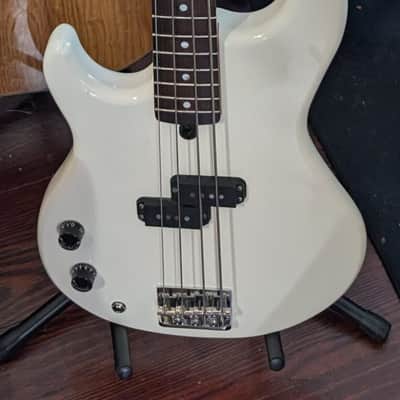
Squier Affinity PJ Bass Starter Pack
$5 on Reverb
BEST PLAYABILITY
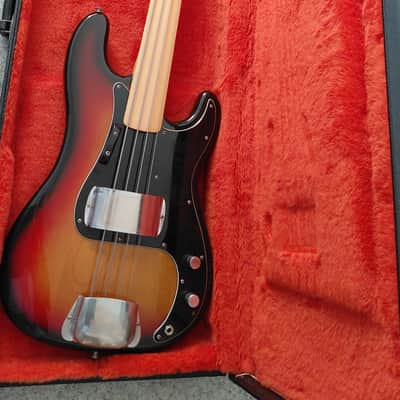
Fender Player Precision Bass
$3 on Reverb
MOST AFFORDABLE
Yamaha TRBX174 Starter Bundle
$370 on Reverb

A quality bass guitar starter kit bundles everything you need to start playing: a playable bass, an amp for practice, a cable, strap, tuner, and gig bag. The right kit removes guesswork and gets you playing immediately—no need to hunt for individual components.

We've ranked the best starter kits by playability, tone, durability, and value. Whether you're a complete beginner or picking up bass for the first time, this guide covers budget-friendly options, upgrading picks, and what to expect from different brands.

The 7 Best Bass Guitar Starter Kit

#1

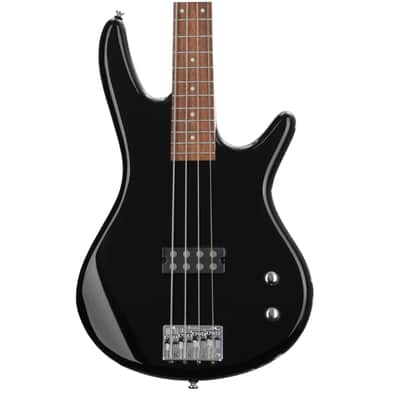
Squier Affinity PJ Bass Starter Pack

Starter Pack · P/J pickups, poplar body, 15W amp included$200–$280 used

Best for: Budget beginners wanting bass + amp combo

Squier's Affinity line offers entry-level Fender quality at an unbeatable price. The P/J pickup configuration gives you versatility, and the included 15W amp is perfectly adequate for learning at home. This is the most affordable way to get started with a known-brand instrument.

Available now
#2

Fender Player Precision Bass

Electric Bass · Split-coil pickup, alder body$400–$600 used

Best for: Quality upgrade from a starter pack

The Player Precision is Fender's modern entry-level bass with upgraded electronics and a more resonant alder body. If you're past absolute beginner stage and want a bass that will last you 10+ years, this is where you jump in.

Available now

#3

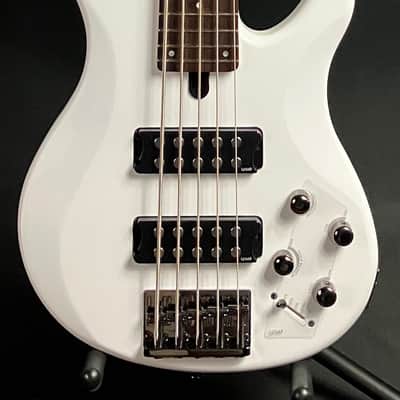
Yamaha TRBX174 Starter Bundle

Starter Bundle · Maple neck, solid agathis body, passive$180–$250 used

Best for: Beginners wanting reliable Yamaha build quality

Yamaha's reputation for consistency means a TRBX174 will play smoothly and reliably out of the box. The maple neck is more durable than lesser woods, and passive electronics mean zero battery worries. Great if you want the kit out of the way so you can focus on learning.

Available now

#4

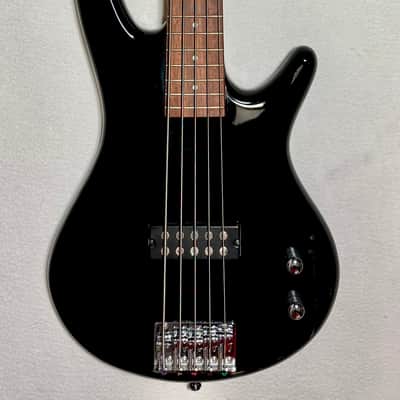
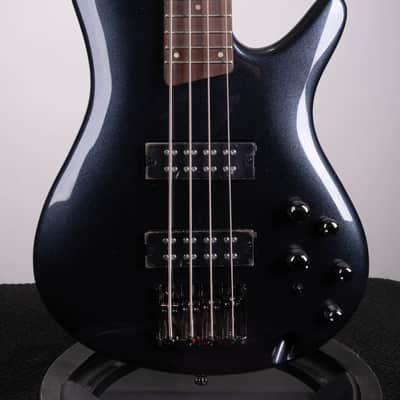
Ibanez IJSR190N Jumpstart

Starter Pack · Slim SR neck, DX bass pickups, 10W amp$150–$220 used

Best for: Players wanting a fast, slim neck to learn on

If your hands are small or you prefer a fast, narrow neck profile, the SR is legendary for comfort. The DX pickups are responsive and articulate. At this price used, it's one of the most playable budget basses available.

Available now

#5

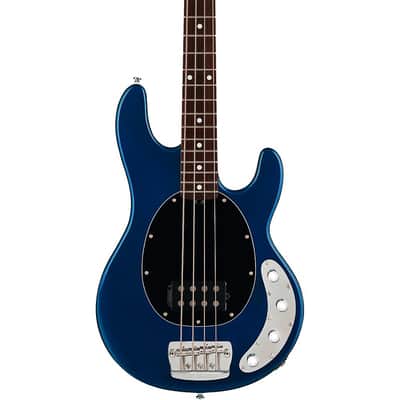
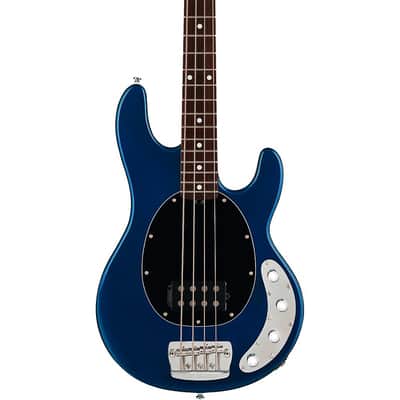
Sterling by Music Man Ray4

Electric Bass · StingRay-style single humbucker, agathis body$250–$380 used

Best for: Beginners wanting a professional look and tone

Music Man's Ray bass is iconic—played by everyone from Sting to Victor Wooten. The Sterling Ray4 brings that DNA to an affordable price. You get a bass that looks and sounds professional, not toy-like.

#6

Epiphone Thunderbird

Electric Bass · Thunderbird pickups, mahogany body, bolt-on maple neck$250–$400 used

Best for: Rock players wanting iconic Gibson-style tone

The Thunderbird is the visual statement bass—iconic shape, bold tone, attitude. If you're learning rock or want a bass that feels professional and different, this is it. Epiphone's quality on budget Gibsons is solid.

#7

Rogue LX200B Series III

Electric Bass · Split P-style pickup, poplar body, available with amp$80–$130 used

Best for: Absolute beginners on the tightest possible budget

Rogue is the absolute budget choice—playable enough to learn fundamentals without any financial risk. If you're unsure whether bass is for you or money is extremely tight, this gets you in the door.

What to check used: Rogue basses can have inconsistent quality; inspect carefully for fret buzz and electronics function before purchasing used.

Available now

Frequently Asked Questions

What should a bass guitar starter kit include?

A complete starter kit includes: (1) bass guitar, (2) combo amplifier (10–15W), (3) instrument cable, (4) strap, (5) tuner or built-in tuning, (6) gig bag or hard case, (7) picks, (8) sometimes a teaching guide or online lessons. Some kits skip the gig bag—factor that into your purchase.

What wattage amp do I need for practicing?

For home practice, 10–15W is plenty. A 10W combo is louder than most people think—more than enough for bedroom playing. If you plan to jam with a drummer, upgrade to 20–30W. Anything over 50W is overkill for practice unless you're playing larger venues.

Should I buy an active or passive bass?

Passive basses (Precision Bass, Jazz Bass) are simpler, cheaper, and have a classic tone. Active basses have built-in preamps and EQ controls for more sound shaping. For beginners, passive is easier to understand—you can always upgrade to active later. Try both before deciding.

What's the difference between a Precision Bass and a Jazz Bass?

Precision Bass (P-Bass) has one split-coil pickup and thick, punchy tone—great for rock and funk. Jazz Bass (J-Bass) has two single-coil pickups and a thinner, snappier tone—ideal for jazz and precision work. Many starter kits offer PJ configuration (both pickups) for versatility.

How long should a starter bass last before upgrading?

Quality beginner kits like Squier Affinity or Yamaha TRBX will last 3–5 years with proper care. Many players keep their first bass forever as a backup. Upgrade when you outgrow the playability, not because the bass is 'bad'—most beginner basses are solid instruments.

Get weekly used gear deals in your inbox

Price drops, new listings, and buyer tips — free, every week.

Unsubscribe any time.

Professional Appraisal

Know what your instrument is worth

Generate an CMA appraisal report in minutes. We pull comparable sold listings from Reverb, eBay, Guitar Center, and more — you select the comps, get statistical analysis, and download a professional PDF. Starting at $8.99.

Related Guides