Affiliate Disclosure: As an eBay Partner Network Affiliate, we earn from qualifying purchases. Treblemakers may also earn commissions from Reverb and other marketplace links. This doesn't affect the price you pay. Learn more

CLASSIC STUDIO
Fender American Professional II Precision Bass
$3 on Reverb
ACTIVE PUNCH
Music Man StingRay 4
$384 on Reverb
PRO CHOICE
G&L L-2000
$3 on Reverb

Recording bass is different from live bass. In the studio, tone matters more than volume — the engineer is listening for note articulation, sustain decay, and how the bass sits in the mix. The best studio basses are either passive workhorses (Fender Precision) or active precision instruments (Music Man StingRay), plus a few boutique options that nail tone in a single take.

The 7 picks below span budget-conscious tracking through premium studio basses. All are available used at significant savings from new prices.

The 7 Best Bass Guitar for Recording

#1

Fender American Professional II Precision Bass

Studio classic · Passive V-Mod humbucking split coil$600–$800 used

Best for: Engineers and players who need the most reliable, recorded-on-a-million-songs tone

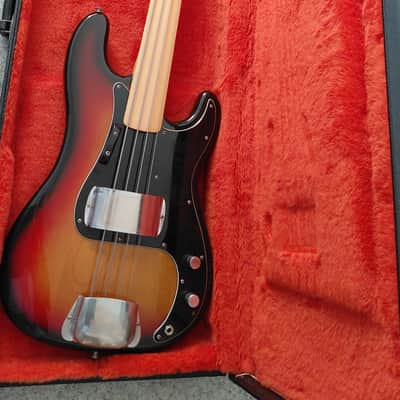
The Precision Bass is on more hit records than any other bass guitar. V-Mod pickups offer a warm, full bottom end with clear mids. American Professional II spec: Ultra neck, modern appointments, and a quiet electronics package. DI tone translates directly to finished mixes.

Available now

#2

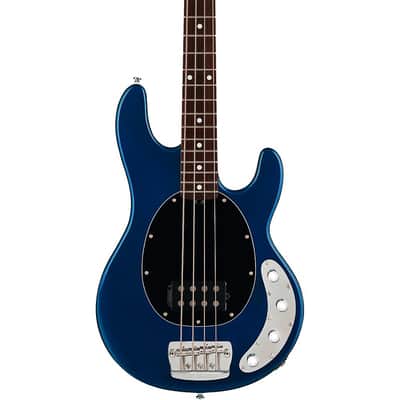
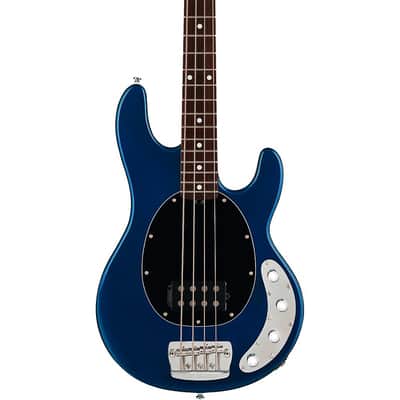
Music Man StingRay 4

Active studio tone · Active dual-coil humbucker, 3-band EQ$500–$700 used

Best for: Players who want aggressive, defined low-mid punch in the recording

The StingRay is the other half of the studio bass vocabulary. Active electronics are smooth and always consistent — no battery issues on takes 15+. The aggressive low-mid boost sits perfectly in rock, metal, and R&B mixes. Modern enough for contemporary recording, vintage enough to sit alongside Precision tracks.

#3

G&L L-2000

Switching versatility · Dual-coil humbucker, passive/active toggle$500–$700 used

Best for: Session players who want to switch passive and active tones within a session

Leo Fender design with a humbucker instead of split coil. The passive/active toggle means you can switch to passive mode mid-session without changing cables. Tone is warmer and more complex than standard Precision — works for funk, soul, and progressive tracks.

What to check used: The toggle switch is easy to forget — label the cable for active vs passive mode.

Available now

#4

Fender American Professional II Jazz Bass

Clean articulation · Dual passive single-coil pickups$600–$800 used

Best for: Players recording smooth, articulate, low-noise tracks (jazz, soul, R&B)

Single-coil jazz pickups are the quietest pickup option — essential for heavy compression and DI work. Slimmer neck than Precision, lighter body. American Pro II spec means modern electronics with zero hum. Thinner tone than Precision, but cuts through busy mixes.

Available now

#5

Lakland Skyline 44-64

American heritage · Dual J-pickups, passive, maple on maple$500–$700 used

Best for: Engineers who want a warm, mid-scooped J-bass tone with visible playability upgrades

Lakland is an American boutique brand that reissues classic Fender designs with upgraded hardware and pickup voicing. Skyline is their Indonesia-made line — excellent value for recording. Passive J pickups are darker than Jazz Bass singles, warm low end, easy to sit in a mix.

Available now

#6

Ibanez BTB845SC

Multi-scale studio · Dual passive PowerSpan humbuckers, 7-piece neck$400–$560 used

Best for: Players recording on 5-string bass who need clarity and individual string articulation

Multi-scale tuning (fanned frets) improves intonation and string-to-string balance on each fret. Ibanez PowerSpan pickups are low-noise and warm. 5-string extends bass range for modern recording (covers A0–E5). String-through body adds sustain. Great DI tone.

Available now

#7

Sadowsky Metro

Premium studio · Custom-voiced split coil or J pickups$1,200–$1,600 used

Best for: Pros who want the most refined DI and amp tone available in a single instrument

Roger Sadowsky is legendary for custom bass tone in pro studios. Metro line is their overseas-built option — maintains the tonal philosophy at a lower price than full Sadowsky. Meticulous electronics and wiring mean zero hum. A Sadowsky on DI is immediately recognizable — modern but warm, present but not harsh.
Available now

Frequently Asked Questions

What makes a bass guitar good for recording?

Four factors matter most: (1) Clean DI tone — the direct box signal should sound good without amp coloration. Passive pickups are quieter; active pickups are more consistent. (2) Sustain and note clarity — the bass note should ring clearly through 4+ seconds of decay, visible on a compressor input meter. (3) Zero electronic noise — a noisy bass means extra gate track setup, noise reduction, or re-takes. American Professional and boutique basses (Sadowsky, Lakland) have meticulous grounding and shielding. (4) Tonal versatility — you should be able to dial the bass for funk, rock, soul, and metal on the same take using pickup blend and finger position. Expensive basses are not always better for recording; a clean $500 G&L sounds better on tape than a muddy $2,000 boutique instrument.

Passive vs active pickups for recording — which should I use?

Passive (Precision, Jazz Bass, G&L): Quieter electronics, zero battery noise, more harmonic complexity, touch-sensitive tone (softer fingers = warmer, harder attack = punchy). Requires gain staging and potentially a compressor to even out dynamics. Active (Music Man, some Ibanez): Louder, more consistent, less noise, onboard preamp shapes tone, battery-powered so must check voltage during long sessions. Active is easier for beginners (less gain staging needed); passive requires skill but gives warmer tone in finished mixes. For serious tracking: Fender Precision (passive) or Music Man StingRay (active) are the two industry standards for a reason — both work equally well, just different tonal character.

Do I need a DI box for recording bass?

No, not always. Modern bass amplifiers have XLR direct out or USB interface out — you can record the preamp tone directly. BUT: a passive DI box (Radial JDI, Countryman Type 85, SansAmp) adds a transformer which warms single-coil and humbucker tones and breaks ground loops. If you record via bass → interface input, a passive DI improves tone. If you record via bass → amp direct out → interface, you do not need a DI. If you record via bass → bass amp speaker cabinet, you definitely need a microphone or reactive load box (Universal Audio OX, Darkglass Microtubes).

What bass guitar tone should I track with?

Track with a neutral, slightly high-mid presence tone. You want to hear every note articulation and every string clearly in the mix. Play with compression already on your bus — the engineer should hear what the bass sounds like with the intended processing. Avoid deep, scooped bass tones in the raw DI (those sound big live but disappear in a mix). Use a compressor to even out dynamics (hard-hit notes at the same level as soft notes). A good bass recording technique: DI only (no amp) allows unlimited re-amping — the engineer can apply amp simulation or re-record through a real amp later if needed.

Best bass string gauge for recording?

Medium gauge (45–65–85–106) is the standard for recording. The B string on a 5-string should be 125–135. Heavier strings (50–70–90–110+) give more sustain and low-end weight but require stronger finger strength and amp volume to get good tone — fatigue on takes 8+. Lighter strings (40–60–80–100) are easier to play but thinner and less sustain. For studio tracking where you have time for re-takes, medium gauge is ideal: balanced tone, good sustain, manageable finger fatigue, and familiar to most engineers who know what that tone sounds like.

Get weekly used gear deals in your inbox

Price drops, new listings, and buyer tips — free, every week.

Unsubscribe any time.

Professional Appraisal

Know what your instrument is worth

Generate an CMA appraisal report in minutes. We pull comparable sold listings from Reverb, eBay, Guitar Center, and more — you select the comps, get statistical analysis, and download a professional PDF. Starting at $8.99.

Related Guides

Compare

Price Guides