#1
Fender Rumble 100
Best value bass combo under $300 (top recommendation) · 100W solid-state, 12-inch speaker, 3-band EQ, overdrive circuit, XLR DI output, aux input, headphone out$280–$320 new / $185–$250 usedBest for: Practice and small rehearsal use, lightweight at 22 lbs for portability, overdrive channel for bass distortion experimentation, XLR DI for recording and gig DI use
The Fender Rumble 100 is the most recommended bass amp under $300 — 100 watts through a 12-inch speaker at 22 lbs (10 kg) makes it genuinely portable without sacrificing enough volume for band rehearsal. The XLR DI output allows direct connection to a PA system at gigs, extending its usable volume beyond what the onboard speaker delivers. The overdrive circuit adds distortion character for players who want gritty bass tones. Used at $185–$250.
What to check used: The Rumble 100's 12-inch speaker is adequate for rehearsal but may struggle to fill large rooms at high volumes without PA support — the XLR DI is designed for exactly this situation. For rehearsal with a loud drummer and two guitarists, the Rumble 100 is at the edge of adequate; the Rumble 200 ($280–$380 used) is the safer investment for consistently loud rooms.
#2
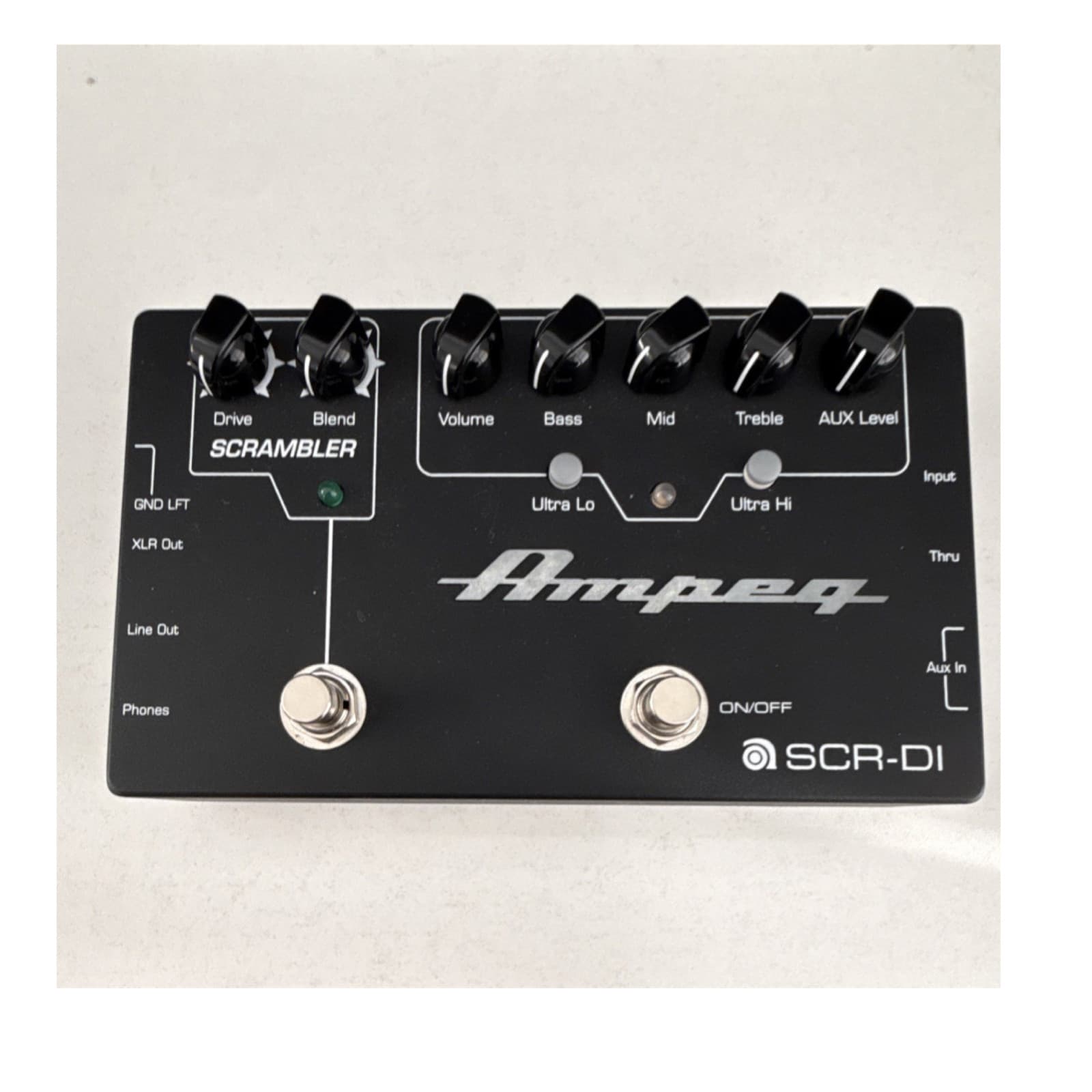
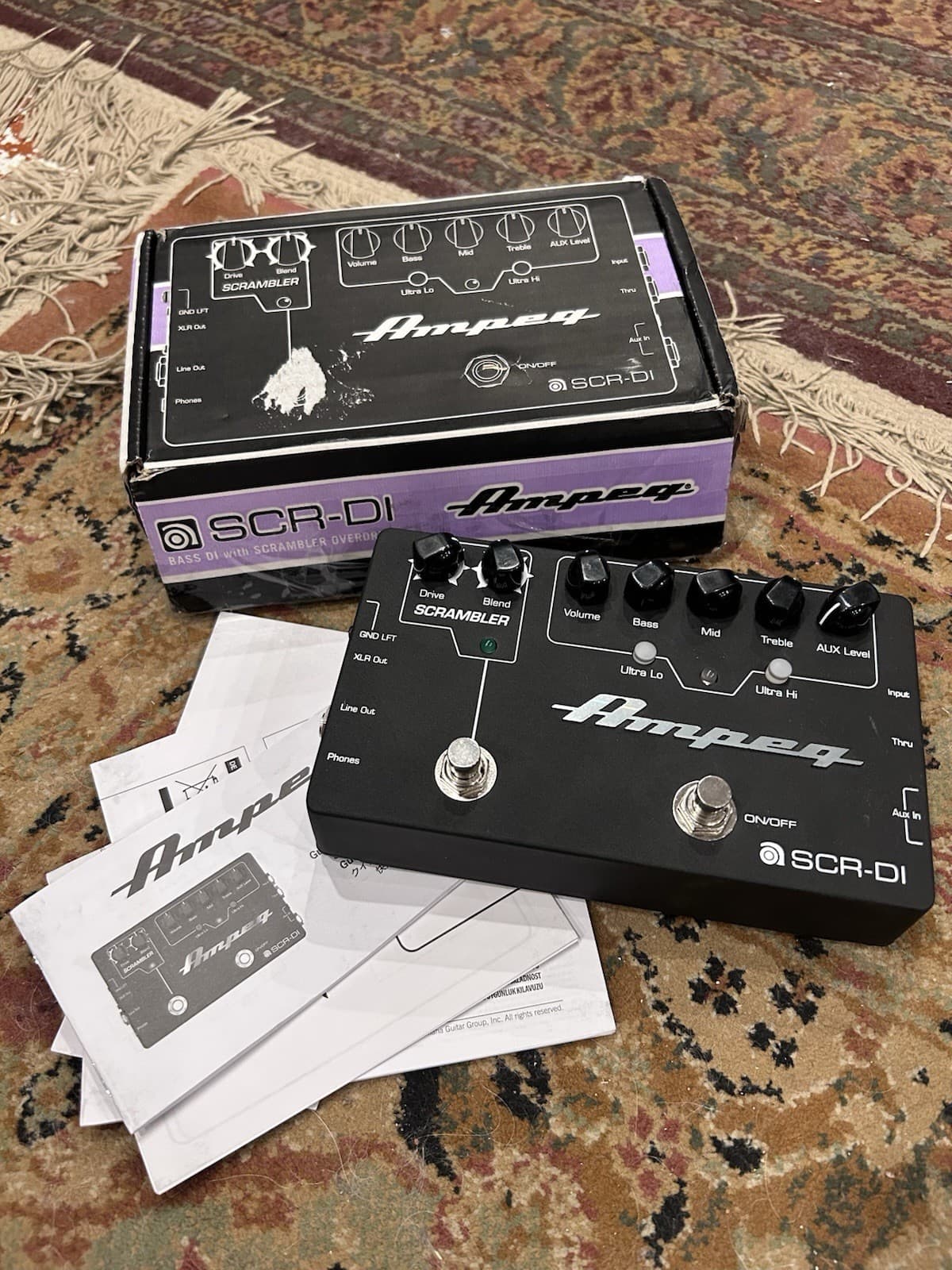
Ampeg BA-210
Ampeg tone at mid-budget (classic Ampeg SVT character) · 450W solid-state, 2x10-inch speakers, Ampeg tone stack (Ultra-Lo / Ultra-Hi), scrambler overdrive, XLR DI, 3-band EQ$500–$600 new / $320–$450 usedBest for: Ampeg vintage-inspired bass tone, 2x10 speaker configuration for more mid projection than single-speaker combos, loud enough for full band rehearsal without PA support
The Ampeg BA-210 is the mid-budget entry into Ampeg's legendary bass tone — the two 10-inch speakers produce the focused, punchy mid-frequency response that Ampeg SVT amplifiers are known for. At 450 watts solid-state through 2x10 speakers, the BA-210 is genuinely gig-capable without PA support in smaller venues. The Ultra-Lo and Ultra-Hi switches provide the classic Ampeg tone shaping options. Used at $320–$450.
What to check used: The Ampeg BA-210 is heavier than the Fender Rumble 100 — approximately 46 lbs (21 kg). For bassists who transport their own gear regularly, weight is a meaningful consideration. The Rumble 100 at 22 lbs is significantly more portable; the BA-210's tone advantage may not justify the weight for players who gig frequently.
#3
Hartke HD112
Clarity-focused bass combo (aluminum cone speaker) · 250W solid-state, 12-inch aluminum cone speaker, 3-band EQ, Hartke BassAttack preamp, XLR DI$350–$420 new / $240–$340 usedBest for: Clear, hi-fi bass tone, aluminum cone for bright, articulate low frequency response, 250W for confident rehearsal volume, Hartke reliability for gigging musicians
The Hartke HD112 uses Hartke's aluminum cone speaker — aluminum cones produce a brighter, more articulate low-frequency response than paper cones, making them preferred by bassists who want their playing to articulate clearly in dense band contexts. The BassAttack preamp provides tonal shaping that suits funk, slap bass, and modern bass styles that benefit from high-frequency clarity. Used at $240–$340.
What to check used: Hartke aluminum cone speakers produce a characteristically bright bass tone — players who prefer the warmer, rounder tone of paper cone speakers (Ampeg, Fender Rumble) may find Hartke aluminum speakers too bright or harsh. Listen before purchasing or verify return policy.
#4
TC Electronic BG250-210
Feature-packed modern bass combo · 250W solid-state, 2x10-inch speakers, TubeTone saturation, SpectraComp compressor, XLR DI, chorus/vibrato effects, headphone out$450–$550 new / $300–$420 usedBest for: Bassists who want built-in effects and compression without external pedals, TubeTone saturation for warm overdrive character, 2x10 configuration for mid-forward tone
The TC Electronic BG250-210 includes onboard TubeTone (tube-style saturation), SpectraComp compression, and chorus/vibrato — features that bassists typically need external pedals to achieve are built directly into the amplifier. For players who want warm, saturated bass tone with compression and occasional chorus without a pedalboard, the BG250 provides these at $300–$420 used. The 2x10 speaker configuration is gig-capable in smaller venues. Used at $300–$420.
What to check used: Built-in effects are less flexible than dedicated external pedals — the TubeTone saturation and SpectraComp cannot be replaced or upgraded without a different amplifier. For bassists who specifically want external effects control, the Fender Rumble 100 (clean platform) with external effects pedals provides more flexibility.
#5
Peavey Tour 450
Separate head for flexible bass rig building · 450W bass head, separate from cabinet, 2-channel, 3-band semi-parametric EQ, tube preamp option, XLR DI$200–$280 usedBest for: Bassists building a separate head/cabinet rig, head+cabinet flexibility for volume scaling, heavier Peavey tone for rock and metal bass applications
The Peavey Tour 450 is a separate bass head that pairs with any bass cabinet — at $200–$280 used, it provides 450W of power for driving larger cabinets when rehearsal volumes demand more than combo speakers provide. A Tour 450 head paired with a used 410 cabinet ($200–$350 used) creates a powerful gig rig for well under $500 combined. Peavey build quality is robust for heavy touring. Used at $200–$280.
What to check used: The Peavey Tour 450 is a head only — no speaker included. You must pair it with a bass cabinet. Used bass cabinets (Peavey 410 TVX, Hartke 410, Ampeg SVT-410HLF) are available $150-350 used and must be factored into total cost. Head-only amps are not functional without cabinet.
#6
Orange Crush Bass 50
Boutique character bass combo (Orange tone at practice price) · 50W solid-state, 12-inch speaker, Orange preamp tone character, XLR DI, 3-band EQ, active/passive input$300–$350 new / $200–$270 usedBest for: Orange aesthetic and tone character for rock and alternative bass, warm, slightly mid-forward Orange preamp sound, reliable Orange build quality
The Orange Crush Bass 50 provides the distinctive Orange preamp character in a compact, practice/rehearsal format — Orange's warm, mid-forward tone character suits rock, alternative, and indie bass playing styles. The 50W output is sufficient for practice and small rehearsal situations. For bassists who want Orange's recognizable tone at accessible prices, the Crush Bass 50 is the entry point. Used at $200–$270.
What to check used: The Orange Crush Bass 50 at 50W is a practice and small rehearsal amplifier — it is not gig-capable without PA support in most live music contexts. For regular gigging, the Fender Rumble 100 (100W, 22 lbs) or Ampeg BA-210 (450W, 2x10) are more appropriate.
#7
Markbass Mini CMD 121P
Professional-quality bass combo under $500 (used market opportunity) · 300W Class D amplifier, 1x12-inch speaker, Markbass VPF/VLE filters, 4-band EQ, XLR DI, 26 lbs$900–$1,100 new / $580–$780 usedBest for: Professional bass tone in the lightest possible package, Class D amplifier for high power at minimal weight, Markbass tone filters for detailed tonal sculpting, used market value opportunity
The Markbass Mini CMD 121P is a professional-grade bass combo — normally priced above $900 new, the used market at $580–$780 places it near the $500 ceiling of this guide. For the price, it provides 300W Class D power at 26 lbs (12 kg), Markbass's respected VPF and VLE tone filters (VPF removes mid frequencies for scooped modern tone; VLE removes high frequencies for vintage warmth), and exceptional DI output quality. For professional bassists who find the right used deal, the Markbass provides performance well above its used price. Used at $580–$780.
What to check used: The Markbass Mini CMD 121P used prices can exceed $500 depending on local market — monitor used listings and be patient for deals in the $500-580 range. The tone character is distinctly Markbass (clean, articulate, slightly bright) which suits jazz, funk, and modern bass playing; less suited to vintage warm Ampeg-type tone.
#8
Eden EC10
Ultra-portable bass combo for acoustic gigs and practice · 40W solid-state, 1x10-inch speaker, 3-band EQ, XLR DI, aux in, headphone out, Eden preamp tone$300–$350 new / $200–$270 usedBest for: Acoustic open mic and quiet rehearsal, ultra-compact at 14 lbs for maximum portability, Eden preamp quality at small-format price, coffee shop and restaurant gigging
The Eden EC10 is the portable bass amp for quiet gigging contexts — at 14 lbs (6.4 kg) with 40W output and a 10-inch speaker, the EC10 is the most portable bass amp available with Eden preamp quality. For bassists who play acoustic gigs, coffee shops, or quiet rehearsals where volume is not the priority, the EC10 provides Eden's respected preamp character in a genuinely portable package. Used at $200–$270.
What to check used: The Eden EC10 is not designed for loud band rehearsal — 40W through a 10-inch speaker will be completely inadequate with a drumset. The EC10 is specifically for acoustic, quiet electric, or home practice contexts. Do not purchase it expecting gig-volume output.