#1
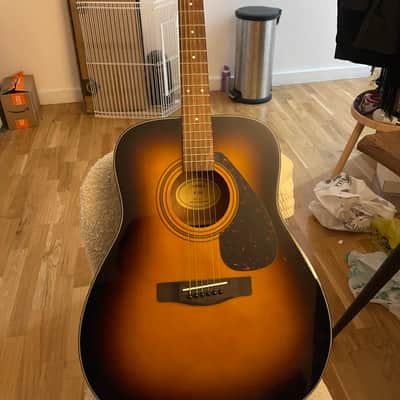
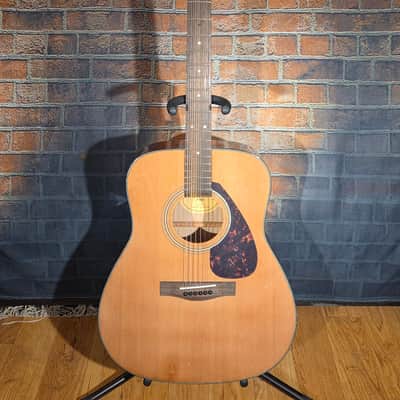
Yamaha FG800
Concert Acoustic Guitar · Solid spruce top, nato back/sides, 20 frets$180–$220 new | $80–$130 usedBest for: Beginners wanting build quality and real tone.
The FG800 is the best-selling beginner acoustic worldwide. The solid spruce top gives genuine tonal warmth that laminates can't match, and Yamaha's manufacturing consistency means every neck plays in tune. Available used frequently at $80–$130 for recent models in excellent condition.
What to check used: Check the top for cracks or separating seams; confirm frets are not worn flat. Verify the original owner didn't store it in extreme humidity (can cause swelling). The FG800 holds its value well, so $130 used is fair market.
#2
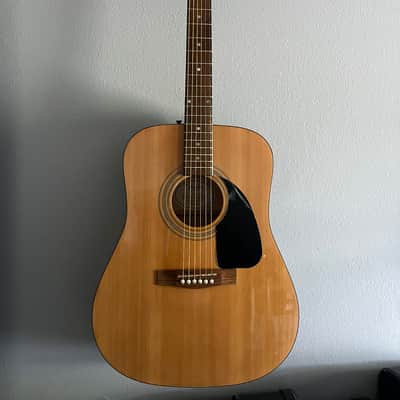
Fender CD-60S
Dreadnought Acoustic · Solid spruce top, laminate mahogany back/sides, scalloped X-bracing$200 new | $80–$120 usedBest for: Players wanting a well-known brand with solid-top construction.
Fender's budget acoustic delivers better resonance than similarly priced laminates. The scalloped X-bracing improves projection without making the guitar sound brittle. The Fender name carries weight with teachers and bandmates.
What to check used: The laminate back and sides are a cost-cutting measure but not a flaw — many $400 guitars use laminate sides. Check the neck for straightness by sighting along the headstock. Look for finish bubbling or cracks.
#3
Jasmine S35
Student Dreadnought · Spruce laminate top, agathis back/sides, 20 frets$60–$80 newBest for: New players wanting the cheapest functional option.
The Jasmine S35 is arguably the best guitar under $80 new. Low action from the factory, decent intonation, and durable finish. Takamine's budget brand is used widely in school music programs. At $60–$80, it's the lowest entry point without sacrificing playability.
What to check used: The laminate top and agathis wood won't resonate like spruce, so tone will be thin. Expect the finish to show wear faster than higher-end models. Not recommended if you want a guitar that sounds "pretty" — purely functional.
#4
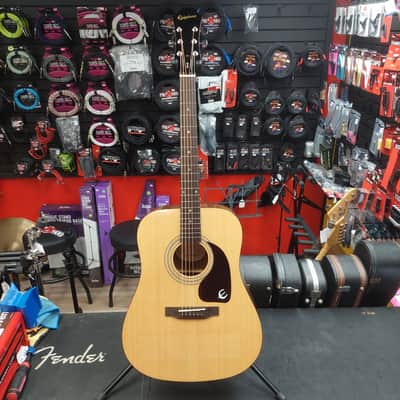
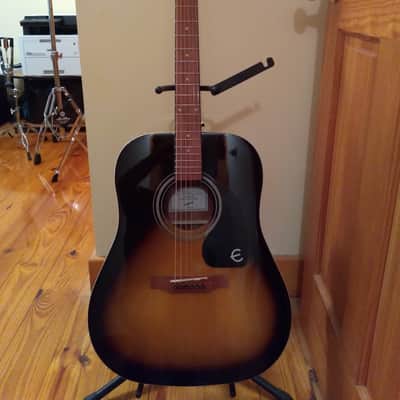
Epiphone DR-100
Dreadnought · Select spruce top, mahogany body, 20 frets$130 new | $50–$90 usedBest for: Beginners who want the Epiphone name with good used value.
Solid choice in the $50–$80 used range. The heavier neck profile (shaped for adult hands) makes fretting easier than super-thin necks. Mahogany body gives warmer tone than typical budget guitars. Epiphone is Gibson's sister brand, so the name carries credibility.
What to check used: The DR-100 is heavier than comparable Yamahas — some players find dreadnought weight tiring on the shoulder. Check the body for visible glue lines; budget construction sometimes shows seams. Inspect the headstock for stress cracks near the tuners.
#5
Mitchell MD100
Dreadnought · Laminate spruce top, basswood back/sides, 20 frets$80–$100 newBest for: Budget players wanting a reliable starter with consistent quality control.
Guitar Center's house brand delivers consistent quality from unit to unit — rare at this price point. Decent tuners, acceptable intonation out of the box, and durable finish. Mitchell guitars are common in rental fleets.
What to check used: Laminate top means thinner tone than solid-top competitors. Resale value is lower because it's a house brand not carried elsewhere. The thin tone won't inspire you, but it's functional for learning.
#6
Hohner HAG250P
3/4 Classical · Nylon strings, laminate spruce top, compact body$50–$70 newBest for: Young players or travelers wanting nylon-string playability.
Nylon strings are dramatically easier on fingers than steel strings — crucial for kids ages 8–12. The 3/4 size is lighter to hold and easier to reach around. Classical nylon-string tone is warm and forgiving for new ear development.
What to check used: Nylon strings sound entirely different from steel strings (warmer, rounder, less jangly). If your goal is rock or pop, start with steel-string instead. The compact body limits volume projection.
#7
Yamaha CS40
3/4 Acoustic · Spruce top, meranti back/sides, 19 frets$130 new | $60–$90 usedBest for: Young students or smaller players transitioning to full-size.
Yamaha quality at junior scale. Holds tune well across temperature changes. Plays in tune across the neck — critical for young players learning pitch control. 3/4 size is a true junior scale, not a toy.
What to check used: Check that the player is actually outgrowing the 3/4 before upgrading. Most adults can play 3/4 acoustics if they prefer the lighter weight. Resale is lower for 3/4 models since the market is smaller.