#1
Gibson J-45
Iconic all-solid dreadnought (best for classic rock) · Solid spruce top, solid maple back/sides, dreadnought body, solid hardwood neck, 20 frets, 24.75-inch scale$2000–$2600 new / $900–$1200 usedBest for: Best rock dreadnought icon, legendary tone used on recordings by Led Zeppelin and Aerosmith, powerful projection, classic rock character
The Gibson J-45 is the rock dreadnought — used by rock legends including Dolly Parton, Joni Mitchell, and countless others. The solid spruce top and maple back/sides produce bright, cutting tone with excellent projection suitable for rock strumming. Dreadnought body amplifies low-end and provides stage presence. At $900–$1200 used, the Gibson J-45 is the classic choice for rock musicians. The J-45 has been produced continuously since 1942 — vintage J-45s from the 1950s-70s are highly sought after.
What to check used: Maple (vs mahogany or rosewood) produces brighter, cutting tone with sharp attack — ideal for rock but potentially sharp for fingerpicking or ballads. Rock players prefer this brightness; folk/blues players often prefer warmer mahogany. Test both before purchasing.
#2
Martin D-28
Professional dreadnought (best for versatility) · Solid spruce top, solid rosewood back/sides, dreadnought body, slotted headstock, 20 frets, 25.4-inch scale$2400–$3200 new / $1400–$1900 usedBest for: Best professional dreadnought for rock and beyond, warm rosewood tone, legendary status, investment-grade build
The Martin D-28 is the professional dreadnought — used extensively in rock, country, folk, and blues. Solid spruce top with solid rosewood back/sides produce warm, full-bodied tone with excellent projection. The D-28 has been the standard for professional musicians since 1931. At $1400–$1900 used, the Martin D-28 is a significant investment but considered investment-grade. The D-28 bridges rock (projection and volume) and folk (warmth and complexity).
What to check used: Rosewood is warm and full vs maple's brightness — Martin D-28 is warmer than Gibson J-45. For aggressive rock strumming, some players prefer the J-45's brightness; for fingerpicking and ballads, the D-28's warmth excels. Try both.
#3
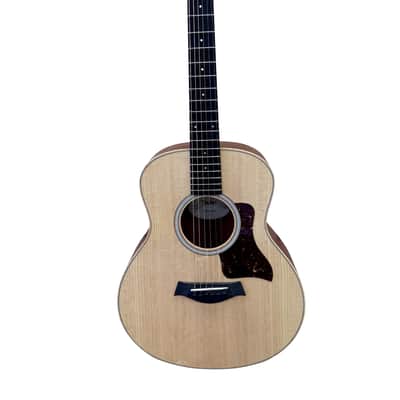
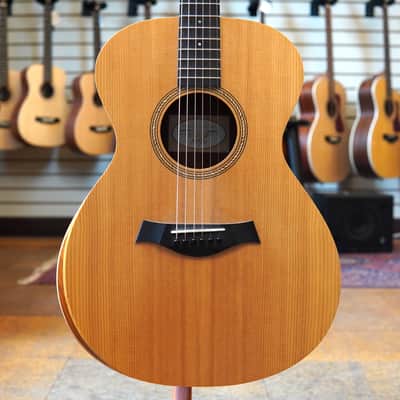
Taylor 114ce
Modern bright dreadnought with electronics · Solid spruce top, walnut back/sides, ES2 electronics, dreadnought auditorium hybrid, 20 frets, 25.1-inch scale$500–$700 new / $350–$480 usedBest for: Best budget acoustic for rock, bright modern tone, stage-ready pickup, excellent value for gigging rock musicians
The Taylor 114ce is the modern rock dreadnought alternative — solid spruce top with walnut back/sides produce bright, cutting tone suitable for rock strumming. The ES2 onboard electronics make it stage-ready without external pickups. At $350–$480 used, the Taylor 114ce is exceptional value for rock musicians on a budget. Taylor is known for bright, articulate acoustic tone preferred by contemporary rock players.
What to check used: Taylor dreadnoughts are acoustically smaller than Gibson J-45 or Martin D-28 — projection is good but not equivalent to maple/rosewood dreadnoughts. For large venue gigging, the J-45 or D-28 projects better. For clubs and rehearsals, the Taylor is excellent.
#4
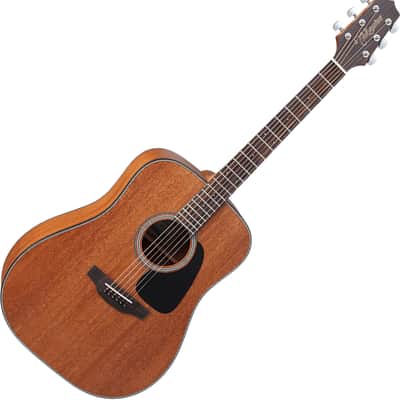
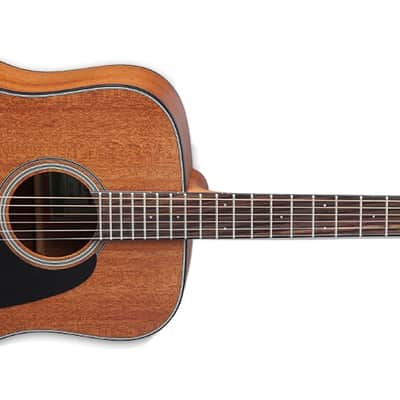
Takamine GN93CE
Solid spruce dreadnought with professional electronics · Solid spruce top, solid rosewood back/sides, dreadnought body, Palathetic-2 electronics, compensated saddle, 20 frets$650–$850 new / $400–$550 usedBest for: Best Japanese dreadnought under $550 used, professional construction, warm tone, gigging-ready pickup
Takamine GN93CE is the professional Japanese dreadnought — solid spruce top with solid rosewood back/sides produce warm, full-bodied tone. Dreadnought body provides powerful projection for rock. Palathetic-2 electronics include a quality pickup system. At $400–$550 used, the Takamine GN93 is excellent value for a rock-suitable dreadnought.
What to check used: Takamine is less iconic than Gibson/Martin but construction quality is excellent — resale value is lower due to brand recognition, not quality. Professional musicians routinely use Takamine dreadnoughts on stage.
#5
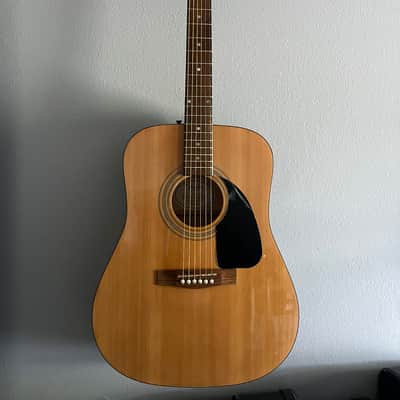
Fender Paramount PM-1
Solid spruce/mahogany acoustic (Fender electric brand advantage) · Solid sitka spruce top, solid mahogany back/sides, dreadnought body, open-gear tuners, premium hardware, 20 frets$600–$800 new / $400–$550 usedBest for: Best Fender acoustic for rock players, bridge to acoustic from electric, American brand tone, warm projection
The Fender Paramount PM-1 is Fender's professional dreadnought — electric players often trust Fender and appreciate the bridge to acoustic. Solid spruce top with mahogany back/sides produce warm, full tone. The dreadnought body projects well for rock gigging. At $400–$550 used, the Paramount PM-1 is excellent for electric players transitioning to acoustic.
What to check used: Mahogany produces warmer tone than maple (J-45) or rosewood (D-28) — for aggressive rock strumming, some prefer brighter woods. Fender Paramount is more folk/country than J-45 in character.
#6
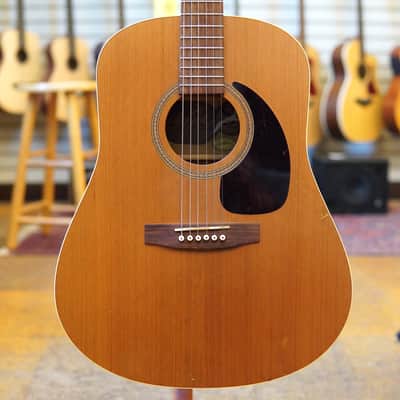
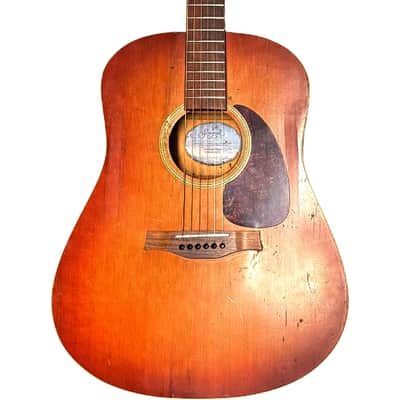
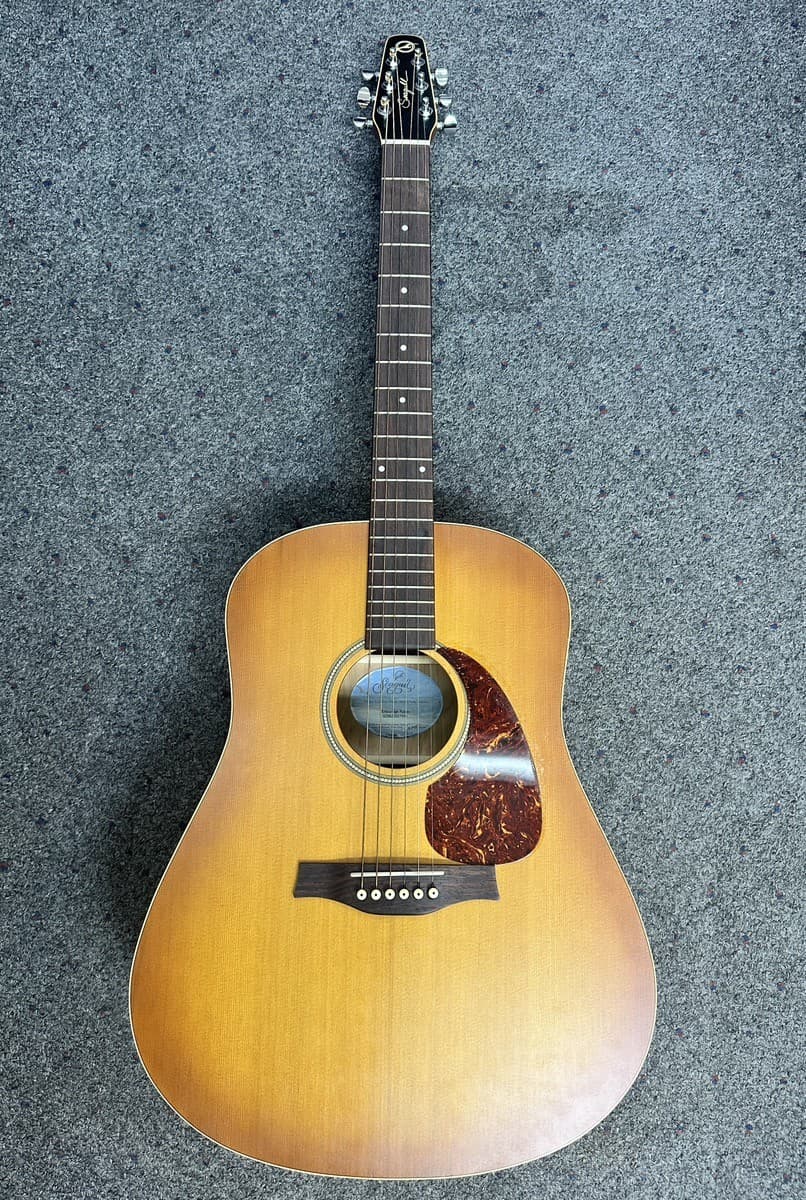
Seagull S6 Original
Canadian solid construction dreadnought · Solid sitka spruce top, solid wild cherry back/sides, dreadnought body, open-gear tuners, Canadian-made, 20 frets$450–$600 new / $300–$400 usedBest for: Best budget solid-top dreadnought, Canadian quality, bright cherry tone, excellent value for rock beginners
The Seagull S6 is Canadian-made all-solid construction at budget pricing — solid spruce top with wild cherry back/sides produce bright, cutting tone suitable for rock. The dreadnought body provides projection. At $300–$400 used, the S6 is exceptional value for a rock-suitable all-solid acoustic.
What to check used: Wild cherry is a non-traditional tonewoods choice (vs mahogany/rosewood) — some players are unfamiliar with the character. Cherry produces bright, clear tone similar to maple but less warmth than rosewood. Test before purchasing if unsure.
#7
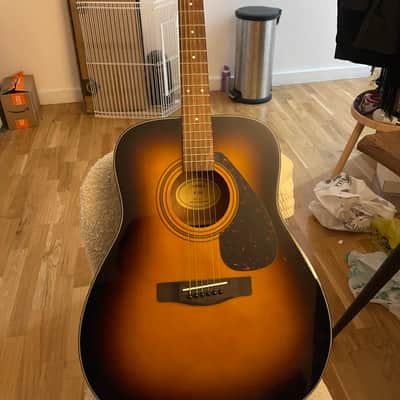
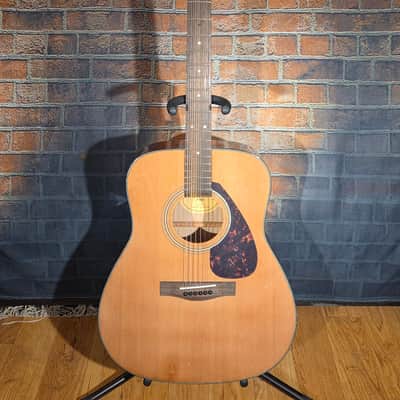
Yamaha FG800
Budget solid-top entry dreadnought · Solid spruce top, rosewood back/sides, dreadnought body, die-cast tuners, professional bracing, 20 frets, 25.6-inch scale$200–$280 new / $150–$200 usedBest for: Best budget rock dreadnought, solid top for bright tone, starter-to-intermediate, excellent value entry point
The Yamaha FG800 is Yamaha's entry-level solid-top dreadnought — solid spruce top with rosewood back/sides produce bright, projecting tone suitable for rock. FG series is legendary for reliability and playability at budget prices. At $150–$200 used, the FG800 is the best entry point to dreadnought playing for rock musicians.
What to check used: The FG800 is entry-level compared to the higher-end recommendations — tone is good for the price but not equivalent to Gibson/Martin. Ideal as a first dreadnought or backup instrument. Professional players often recommend the FG800 as the best sub-$300 dreadnought.