#1
Martin D-28
Bluegrass dreadnought standard (Bill Monroe benchmark) · Sitka spruce top, East Indian rosewood back/sides, herringbone binding, 25.4-inch scale, scalloped bracing$1,800–$2,400 usedBest for: Bluegrass flatpicking, driving rhythm backup, traditional bluegrass tone projection, Bill Monroe and classic bluegrass tradition
The Martin D-28 is the canonical bluegrass dreadnought — Bill Monroe and bluegrass pioneers used D-28s for the bright, punchy tone that cuts through band contexts. The rosewood back and sides deliver clear overtones suited to flatpicking articulation. The 25.4-inch scale and scalloped X-bracing produce the strong string tension and responsive tone that defines bluegrass rhythm. At $1,800–$2,400 used, the D-28 is the traditional choice.
What to check used: Martin D-28 pricing varies significantly by production era — Brazilian rosewood guitars (pre-1969) command premium prices ($3,000+), while East Indian rosewood (post-1970) is more accessible. Both are acoustically excellent for bluegrass; Brazilian is rarer and more valuable. Verify rosewood origin when purchasing.
#2
Gibson J-45 Custom
Bluegrass dreadnought alternative (warm cutting tone) · Sitka spruce top, mahogany back/sides, slope-shouldered dreadnought, LR Baggs pickup, 24.75-inch scale$900–$1,200 usedBest for: Bluegrass rhythm and backup, affordable dreadnought with cutting tone, warm mahogany character suited to vocal-centered bluegrass contexts
The Gibson J-45 provides dreadnought projection with mahogany warmth — the round-shouldered body and shorter scale (24.75 inches) produce a voice that sits well in bluegrass band contexts without overpowering fiddle and mandolin. The mahogany back and sides deliver focused midrange presence suited to rhythm playing. At $900–$1,200 used, the J-45 is the accessible dreadnought alternative.
What to check used: The J-45 is warmer and less bright than the Martin D-28 — traditional bluegrass lead players typically prefer the D-28 brightness, but J-45 works well for rhythm backup. The shorter scale (24.75 vs 25.4 inches) means slightly lower string tension.
#3
Collings D2H
Premium bluegrass dreadnought (hand-built American quality) · Sitka spruce top, Indian rosewood back/sides, hand-scalloped X-bracing, 25.4-inch scale, Collings craftsmanship$2,000–$2,800 usedBest for: Professional bluegrass musicians, hand-crafted build quality, responsive brightness for lead bluegrass playing, investment-grade instrument
The Collings D2H represents premium American hand-crafted dreadnought — each guitar is individually voiced and set up by Collings luthiers. The hand-scalloped X-bracing produces maximum responsiveness to pick attack — essential for bluegrass lead flatpicking. The D2H sits between the Martin D-28 and custom shops in quality and price. At $2,000–$2,800 used, the D2H is the choice for serious bluegrass musicians investing in a career instrument.
What to check used: Collings guitars have limited availability and long wait times when new — used market is the primary source. Hand-built variation means each guitar is unique; sound quality is consistently excellent but minor cosmetic variation is normal.
#4
Eastman E8D
Excellent bluegrass dreadnought under $1,000 used · Sitka spruce top, Indian rosewood back/sides, solid construction, 25.4-inch scale$700–$950 usedBest for: Budget-conscious bluegrass players, solid rosewood construction at accessible price, reliable tone projection for bluegrass contexts
The Eastman E8D delivers dreadnought quality at under $1,000 used — full rosewood construction at this price point is rare. The E8D provides projection and brightness suited to bluegrass without the Martin or Collings investment. Eastman guitars offer consistent quality control and excellent value. At $700–$950 used, the E8D is the budget bluegrass recommendation.
What to check used: Eastman guitars are newer to the American market — less collectible and resale value is stable rather than appreciating like vintage Martins. The build is excellent but may lack the hand-crafted character of Collings or vintage Martins.
#5
Taylor 110e
Bluegrass acoustic-electric (gigging bluegrass musician) · Sitka spruce top, mahogany back/sides, Taylor Expression System, dreadnought body$400–$560 usedBest for: Bluegrass musicians who gig amplified, reliable pickup system for stage performance, accessible price-point dreadnought, contemporary bluegrass ensembles
The Taylor 110e brings reliable electric amplification to bluegrass — the Expression System pickup delivers natural tone amplification for stage performance. The dreadnought body provides projection suited to bluegrass rhythm. At $400–$560 used, the 110e is the gigging bluegrass recommendation for players prioritizing amplified performance over pure acoustic tone.
What to check used: The 110e uses laminate mahogany back and sides — the tone is excellent for amplified contexts but lacks the resonance of all-solid construction for unamplified bluegrass jam sessions. If you play both amplified performances and unamplified sessions, the Eastman E8D provides better acoustic quality.
#6
Blueridge BR-160
Budget bluegrass dreadnought with depth · Solid spruce top, Indian rosewood back/sides, dreadnought body, scalloped bracing$500–$700 usedBest for: Budget bluegrass players seeking rosewood construction, solid spruce top quality at accessible price, entry to serious bluegrass tone
The Blueridge BR-160 offers solid rosewood and spruce at $500–$700 used — an exceptional value for bluegrass players stepping up from plywood entry-level guitars. The scalloped bracing improves resonance and response. Blueridge guitars provide solid acoustic quality at accessible price points. At $500–$700 used, the BR-160 is the entry point to all-solid bluegrass construction.
What to check used: Blueridge is a value brand rather than premium — the build quality is solid but lacks the hand-crafted character of Collings or vintage Martins. The tone is excellent for bluegrass but may feel less sophisticated in solo contexts.
#7
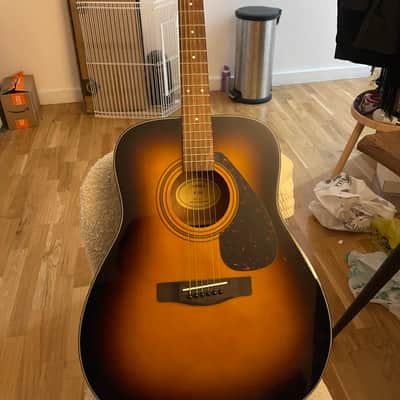
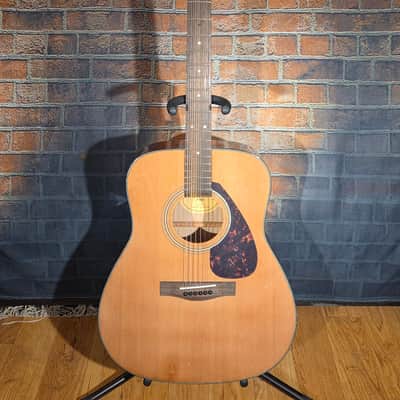
Yamaha FG850
Entry bluegrass dreadnought with spruce quality · Solid sitka spruce top, nato back/sides, dreadnought body, scalloped bracing$400–$560 usedBest for: Bluegrass beginners and intermediate players, solid spruce top for acoustic quality, Yamaha reliability and playability, budget-conscious entry
The Yamaha FG850 delivers solid spruce top quality at $400–$560 used — exceptional value for bluegrass players beginning to play seriously. The scalloped bracing improves projection and tone response compared to non-scalloped entry-level instruments. Yamaha quality control ensures consistent playability. At $400–$560 used, the FG850 is the solid-top entry for bluegrass.
What to check used: The FG850 uses nato back and sides rather than rosewood — the tone is warm and balanced but lacks the clarity and projection of rosewood instruments. For serious bluegrass lead playing, upgrade to rosewood-backed instruments (Blueridge BR-160, Eastman E8D) within 6–12 months.