Affiliate Disclosure: As an eBay Partner Network Affiliate, we earn from qualifying purchases. Treblemakers may also earn commissions from Reverb and other marketplace links. This doesn't affect the price you pay. Learn more

BEST OVERALL
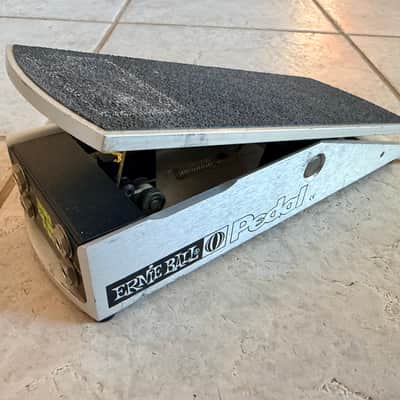
Ernie Ball VP Jr.
$25 on Reverb
BEST BUDGET
Dunlop DVP1 Volume
$2 on Reverb
BEST COMPACT
Boss FV-500H
$2 on Reverb

A volume pedal lets you control guitar volume with your foot — essential for smooth swells, dynamic control during solos, and tap dancing in high-gain rigs.

This guide covers passive and active volume pedals with stereo and mono configurations. All picks include both volume control and expression capabilities. Prices are current used market rates (May–June 2026).

The 7 Best Volume Pedal

#1

Ernie Ball VP Jr.

Passive Expression Pedal · True bypass, passive input/output, stereo/mono compatible$60–$90 used

Best for: Gigging, touring, smooth swells, volume automation

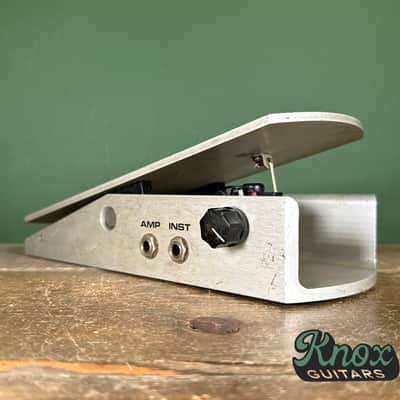
The VP Jr. is the gold standard for passive volume control. No batteries, bullet-proof reliability, and smooth, responsive feel. Used by countless touring musicians.
Available now

#2

Dunlop DVP1 Volume

Passive Expression Pedal · Compact, true bypass, stereo/mono, lightweight$70–$100 used

Best for: Space-limited pedalboards, travel

The DVP1 is a compact version of the Ernie Ball VP Jr. Same passive, reliable character in a smaller footprint. Perfect for minimal pedalboards and touring.

Available now

#3

Boss FV-500H

Active Expression Pedal · Battery/AC powered, high impedance input, true bypass$50–$75 used

Best for: Active pedal compatibility, gain staging

The FV-500H uses active electronics for high-impedance input compatibility. Works seamlessly with digital effects. Boss-grade build quality and reliability.

#4

Morley Volume Plus

Active Expression Pedal · Optical sensitivity, built-in tuner bypass, LED volume meter$50–$75 used

Best for: Vintage tone, optical control, tuner bypass

Morley's optical design is unique and responsive. Built-in tuner bypass lets you mute and tune at the same time. Great for players who use volume-based tone control.

Available now

#5

Boss FV-500L

Active Expression Pedal (Low Impedance) · Battery/AC powered, low impedance input, true bypass$50–$75 used

Best for: Passive pedal boards, long cable runs

The FV-500L uses low-impedance input for compatibility with passive effects. Perfect if your pedalboard has passive pedals or long cable runs.

#6

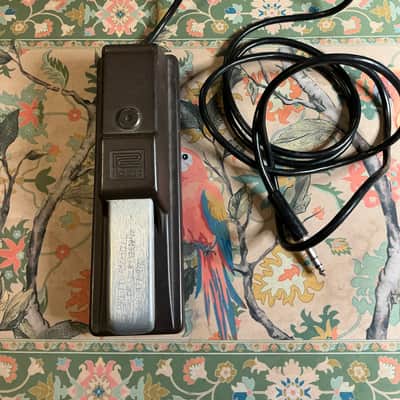
Roland EV-5 Expression Pedal

Passive Expression Pedal · Compact, passive control, stereo/mono compatible$25–$40 used

Best for: Budget option, synth/keyboard control

The EV-5 is small and affordable. Originally designed for synths, it works fine for volume control on guitar pedalboards with good feel.

#7

Moog EP-3 Expression Pedal

Passive Expression Pedal · Vintage design, passive, smooth feel, compact$50–$75 used

Best for: Vintage tone, synth/guitar hybrid use

Moog's expression pedal is minimalist and smooth. Originally designed for vintage synthesizers, it translates beautifully to guitar volume and expression control.

Frequently Asked Questions

What is the difference between passive and active volume pedals?

Passive pedals use no batteries and work with any amp or effect. Active pedals use electronics for high/low impedance compatibility. Passive is simpler and more reliable; active offers gain staging control.

Do I need a volume pedal if I have volume knobs on my guitar?

Yes. A volume pedal lets you control volume with your foot without taking hands off the fretboard. Essential for live play, especially in high-gain rigs where volume swells prevent feedback.

Should my volume pedal go first on the pedalboard?

Yes. Volume should be first in your signal chain, right after the tuner. This way you control the overall level going into all your effects and amp.

Can I use a volume pedal as an expression pedal?

Most volume pedals have stereo outputs that can be used as expression control for synths, keyboards, or compatible effects pedals. Check your specific model.

What is a true bypass volume pedal?

True bypass means when the pedal is off (fully counter-clockwise), your signal routes directly to the output without passing through the pedal circuitry. This prevents tone loss when volume is off.

Get weekly used gear deals in your inbox

Price drops, new listings, and buyer tips — free, every week.

Unsubscribe any time.

Professional Appraisal

Know what your instrument is worth

Generate an CMA appraisal report in minutes. We pull comparable sold listings from Reverb, eBay, Guitar Center, and more — you select the comps, get statistical analysis, and download a professional PDF. Starting at $8.99.

Related Guides