#1
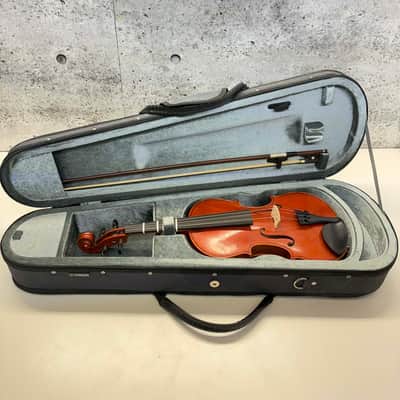
Cecilio CVN-300 Violin
New Student Violin · 4/4 size, solid spruce top, hardwood back/sides$180–$220 newBest for: First-time players, kids 8+, budget-conscious learners
The Cecilio CVN-300 is the go-to recommendation from music teachers for new students. It arrives properly set up with a decent bow, rosin, and shoulder rest included. The solid spruce top provides responsive tone that motivates beginners, while hardwood construction ensures durability through the awkward first year. At under $200, it's hard to beat for value. Intonation is solid for a beginner instrument, and many players upgrade to intermediate models after a year or two of solid progress.
What to check used: New student violins rarely come with a quality case — budget $30–$50 for a soft case if one isn't included. The included bow is functional but basic; consider upgrading to a better bow ($40–$80) after 6 months for improved playability.
#2
Stentor Student II Violin (Used)
Entry-Level Used Violin · 4/4 size, solid spruce top, maple back/ribs$120–$180 usedBest for: Budget learners, older teens/adults, testing commitment
The Stentor Student II is a classic British student violin found on used markets in excellent condition. Many were purchased by schools or parents, used for a year or two, then resold. A used one in good shape plays nearly as well as a new one at half the price. Stentor instruments are known for stable intonation and a warm tone that engages beginners. The solid spruce top means it responds to technique as you improve.
What to check used: Check the bridge alignment — it should be perfectly vertical. Inspect the bow for straightness and hair condition (reharing costs $30–$60). A used Stentor may need a minor setup ($50–$100) to play at its best, so factor that into your budget.
#3
D Z Strad 340 Model Violin
Intermediate-Beginner Violin · 4/4 size, select spruce top, flamed maple back$250–$350 newBest for: Serious beginners, orchestra students, players who want to grow into their instrument
If you're willing to invest a bit more, the D Z Strad 340 bridges beginner and intermediate territory beautifully. The select spruce top and flamed maple back produce a noticeably warmer, more expressive tone than budget models. It's the kind of instrument that makes you want to practice because it sounds genuinely musical. Teachers often recommend this for students committed to learning; the improved playability keeps motivation high.
What to check used: This price point means you're buying either new or from careful private owners. Verify the bridge is properly fitted and the strings are high-quality (Dominant or Evah Pirazzi). A setup by a local luthier ($50–$100) ensures optimal playability.
#4
Mendini MV400 Violin
Budget-Friendly Student Violin · 4/4 size, laminated spruce top, hardwood construction$140–$200 newBest for: Very budget-conscious players, kids trying violin for the first time
Mendini violins offer solid playability at a low price. The MV400 includes a decent bow and case, making it a true all-in-one starter package. While the laminated top doesn't project as much tone as solid spruce, beginners won't notice — they're focused on learning positions and bow control. Mendini instruments are reliable and hold up well to classroom use.
What to check used: Laminated construction means less tonal development as you improve. Treat it as a 1–2 year instrument before upgrading. The included bow is basic but serviceable; bow quality matters more than violin quality for beginners.
#5
Yamaha V5 Student Violin
Premium Student Violin · 4/4 size, solid spruce top, carefully crafted setup$300–$400 new, $200–$280 usedBest for: Players in school orchestras, serious young learners, musicians upgrading from budget models
Yamaha's reputation for quality extends to violins. The V5 is a workhorse in school music programs because it's reliable, stays in tune, and produces a clear tone. Yamaha's factory setup is excellent — new V5s require minimal adjustments. If you find a used V5 from a school rental program, you're getting a maintained instrument at a bargain.
What to check used: School rental violins may show cosmetic wear but are mechanically sound. Ask the seller about maintenance history. New Yamaha V5s are pricier than equivalent Cecilio models, but worth it for teachers' preferred consistency.
#6
Glaesel GV-7 Violin (Used)
Solid Used Student Violin · 4/4 size, solid spruce top, European construction$180–$250 usedBest for: Adult learners, returners to violin, players seeking European-made quality used
Glaesel is a German maker known for solid student instruments. On the used market, older Glaesel violins are undervalued compared to comparable new violins. If you find one from an estate sale or private collection, you're getting European craftsmanship at a fraction of new premium prices. The tone is warm and encouraging for beginners.
What to check used: Inspect for cracks in the spruce top and back — these are expensive repairs ($100–$500+). Check that the neck isn't warped by sighting along it. Ask about the bow's age; if it's the original, replacing it ($40–$80) is a wise investment.
#7
Jean Paul USA Violin 100 Series
Entry-Level USA-Made Violin · 4/4 size, solid spruce top, hardwood back$160–$240 newBest for: Beginners who prefer American-made instruments, school programs
Jean Paul is a US company making beginner violins with solid materials at reasonable prices. The 100 Series is their entry point — playable, reliable, and better than many import budget options. Jean Paul violins come pre-setup at their facility, so new ones are ready to play out of the box with minimal adjustment.
What to check used: Jean Paul violins are new instruments, so you won't find used deals. However, if you want to support US manufacturing and avoid import shipping delays, this is a solid choice.