#1
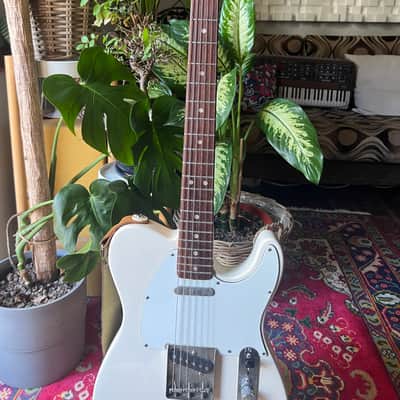
Fender Telecaster (1968–1983)
Vintage offset solid body, 3-bolt neck · 25.5-inch scale, alder body, maple neck, 2 single-coil pickups (original or upgraded), 3-bolt neck plate, 6-point bridge$1,200–$2,000 usedBest for: Vintage Telecaster clarity and snap, 1970s rock and country tone, lightweight solid body, gigging vintage guitar
The Fender Telecaster from the CBS era (1968–1983) is the affordable vintage guitar for players who want authentic 1970s Fender tone without pre-CBS pricing. The 3-bolt neck (1968–1971) and 4-bolt neck (1972–1983) models have different resonance characteristics, but both deliver the bright, twangy Telecaster tone associated with country, blues, and rock. Many 1970s Telecasters were well-used and can be found in good playable condition under $2,000. Used at $1,200–$2,000.
What to check used: Original single-coil pickups from the 1970s vary in output and tone — some are excellent, others have magnetism degradation from age. Inspect the magnet strength with a pickup tester or have a luthier evaluate. Many players upgrade to modern Seymour Duncan or Fender Custom Shop pickups ($150–$300 each) for consistency. Neck joints on 3-bolt Telecasters can develop wear — verify the neck pocket is tight with no movement.
#2
Gibson SG Standard (1970–1980)
Vintage solid body, classic Gibson slab · 24.75-inch scale, mahogany body, mahogany neck, 2 humbucker pickups (P-90 or later), set-neck construction, vibrato bridge$1,000–$1,800 usedBest for: Vintage SG warmth and sustain, rock and blues tone, neck-through access, lighter weight than Les Paul
The Gibson SG Standard from 1970–1980 is the legendary rock guitar — used by Angus Young (AC/DC), Tony Iommi (Black Sabbath), and Frank Zappa. The set-neck construction, mahogany body and neck, and humbucker pickups produce warm, sustaining tone with natural compression that is instantly recognizable. Unlike the heavier Les Paul, the SG is lightweight (6.5–7 lbs) and balanced for long playing sessions. Vintage 1970s SGs are among the most playable vintage guitars. Used at $1,000–$1,800.
What to check used: Gibson SGs from the 1970s sometimes suffer from headstock breaks due to the headstock angle and thin headstock. Inspect the headstock carefully for repairs. Many vintage SGs have had the finish refinished over the decades — original finish adds significant value but playability is unaffected by finish history. Pickups (P-90 through humbucker variants) affect tone — verify the pickup type matches your intended tone.
#3
Fender Stratocaster (1974–1983)
Vintage CBS Stratocaster, 3-color sunburst · 25.5-inch scale, alder body, maple neck with rosewood fretboard, 3 single-coil pickups, floating tremolo$1,500–$2,000 usedBest for: Vintage Strat tone and playability, floating tremolo versatility, 1970s rock and blues
The Fender Stratocaster from the mid-to-late CBS era (1974–1983) combines playability with vintage tone. The 1970s Strat pickups have excellent clarity and twang — slightly different from Pre-CBS pickups but highly playable. The floating tremolo remains stable with proper setup and allows pitch modulation unavailable on fixed-bridge guitars. Vintage 1970s Strats are highly collectible but can be found in playable condition under $2,000. Used at $1,500–$2,000.
What to check used: Original single-coil pickups from the 1970s may have magnetism degradation — have pickups tested by a luthier. The tremolo system requires proper setup (neck angle, spring tension, knife-edge wear) to maintain stability. Inspect the knife-edge for flatness and the tremolo claw for cracks. Many vintage Strats benefit from bridge upgrades (Gotoh, Wilkinson) for improved tuning stability.
#4
Harmony Rocket H54 (1960s)
Vintage semi-hollow electric, budget-friendly vintage · 24.75-inch scale, semi-hollow Harmony-style body, single-coil or humbucker pickups (varies), 1-piece mahogany neck$400–$700 usedBest for: Budget vintage guitar, Harmony character and history, semi-hollow resonance, 1960s Americana tone
The Harmony Rocket H54 is an undervalued vintage guitar from the 1960s — Harmony was a major American guitar manufacturer and the H54 Rocket produced by Harmony (and later distributed by Sears) has become sought after by vintage enthusiasts and budget players. The semi-hollow construction produces surprising resonance and clarity for the price. Harmony instruments from the 1960s are playable, collectible, and significantly cheaper than equivalent Fender or Gibson instruments. Used at $400–$700.
What to check used: Harmony guitars from the 1960s may have finish checking and wear — this is typical for age and does not affect playability. Electronics (potentiometers, switches, wiring) are often oxidized and may need cleaning or replacement. Harmony necks can develop wear at the headstock joint — inspect for movement or cracks. Despite vintage age, Harmony H54 instruments are robust and have strong second lives as working musicians' guitars.
#5
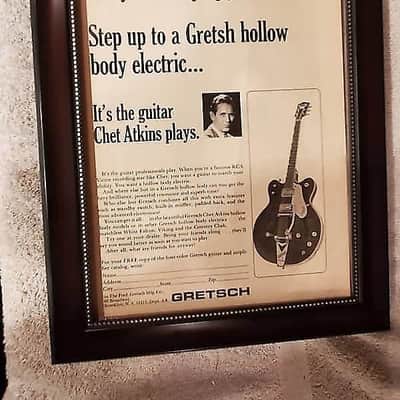
Gretsch 6118 Double Anniversary (1960s)
Vintage semi-hollow with FilterTron pickups · 24.75-inch scale, semi-hollow body, Gretsch FilterTron pickups, bound body and headstock, vintage Gretsch vibrato$1,000–$1,800 usedBest for: Vintage Gretsch character and tone, FilterTron humbucker clarity, country and rockabilly applications
The Gretsch Double Anniversary from the 1960s is a collectible vintage guitar with distinctive Gretsch tone — the FilterTron pickups are gentle, clear humbuckers (developed by Gretsch) that provide clarity and warmth without excessive gain. The semi-hollow 6118 body produces sustain and resonance that makes it popular with country, rockabilly, and alternative rock players (Joe Strummer, The Black Keys). Vintage Gretsch instruments command respect in vintage guitar circles. Used at $1,000–$1,800.
What to check used: Gretsch FilterTron pickups from the 1960s vary in magnetism — have pickups tested by a luthier. The vibrato system on vintage Gretsch instruments is distinctive but may require setup or replacement if worn. Gretsch bodies are prone to finish checking due to the thinness of the lacquer — this does not affect playability. Electronics and wiring should be inspected for oxidation.
#6
Gibson ES-330 (1970s)
Vintage semi-hollow without f-holes, jazz and rock · 24.75-inch scale, semi-hollow body without f-holes, 2 P-90 pickups, set-neck construction, single-cutaway design$1,200–$2,000 usedBest for: Vintage Gibson semi-hollow tone, P-90 pickup character, jazz and rock applications, lighter than ES-335
The Gibson ES-330 is a vintage semi-hollow guitar often overlooked in favor of the ES-335 — the key difference is the lack of f-holes, which produces a slightly brighter tone and less feedback in electric amplification. The P-90 pickups on vintage ES-330 guitars are warm and articulate. The ES-330 is lighter and more comfortable than the ES-335 and produces excellent tone for jazz, blues, rock, and alternative music. Vintage 1970s ES-330s are highly playable and undervalued compared to ES-335. Used at $1,200–$2,000.
What to check used: Original P-90 pickups from the 1970s should be tested for magnetism degradation. The set-neck construction means neck repairs are expensive — inspect the neck carefully for cracks or warping. The semi-hollow body can develop cracks at the f-hole or body seams — these are common in vintage instruments and can usually be repaired by a luthier.
#7
Rickenbacker 330 (1970s)
Vintage semi-hollow with stereo wiring, jangly tone · 24.75-inch scale, semi-hollow walnut body, 2 Rickenbacker toaster pickups, stereo or mono wiring, distinctive headstock$1,200–$2,000 usedBest for: Vintage Rickenbacker chime and jangle, stereo wiring for studio use, alternative rock and indie tone
The Rickenbacker 330 from the 1970s is one of the most distinctive vintage guitars — the semi-hollow body, Rickenbacker toaster pickups, and stereo wiring produce the jangly, chiming tone associated with The Cure, R.E.M., and British alternative rock. Vintage Rickenbackers are robust instruments with strong tonal character. The stereo wiring option is particularly valuable for recording, allowing left and right channel separation. Vintage 1970s Rickenbacker 330 guitars are highly sought after by alternative and indie players. Used at $1,200–$2,000.
What to check used: Rickenbacker instruments have distinctive headstock angles and thin headstocks — inspect for headstock cracks, particularly near the tuning pegs. Toaster pickups from the 1970s may have wire corrosion or magnetism degradation. Rickenbacker's stereo wiring is unique and may require understanding the three-way stereo/bypass/mono switch during use. Many players prefer the stereo configuration while others simplify to mono wiring.