#1
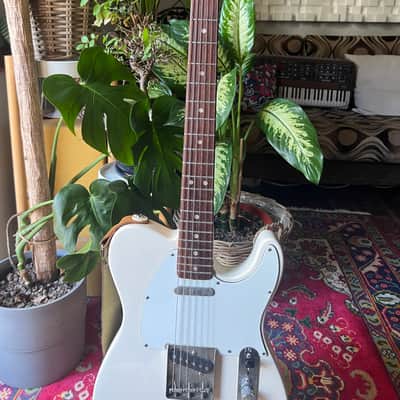
Fender Player Stratocaster (Left-Handed)
Left-handed solid body electric · LH offset body, 3 Player Series single-coil pickups, 22-fret maple neck, alder body, modern C profile$750–$850 new / $500–$650 usedBest for: Best left-handed Stratocaster at mid-range price, Fender Player quality, Strat feel and tone
The Fender Player Stratocaster LH is the most recommended left-handed electric guitar — Fender's Player Series Stratocaster provides the authentic Stratocaster single-coil tone and feel with left-handed offset body construction. Unlike many budget left-handed guitars (which are often right-handed designs converted or poorly adapted), the Player Stratocaster LH is purpose-built. Fender maintains the Player line as an official left-handed offering. Used at $500–$650.
What to check used: Left-handed guitars have significantly fewer used options in the market than right-handed — be prepared to search longer and potentially pay closer to new prices for quality used instruments. The Player Stratocaster LH availability on the used market depends on your location; major metro areas will have more options.
#2
Gibson SG Standard (Left-Handed)
Left-handed mahogany solid body · LH construction, 490R/490T humbuckers, mahogany body and neck, rosewood fretboard, SlimTaper neck$1,500–$1,800 new / $1,100–$1,500 usedBest for: Premium left-handed Gibson electric, SG neck profile and tone, Gibson quality and warranty
The Gibson SG Standard LH is Gibson's flagship left-handed electric — purpose-built left-handed construction with the SG's lightweight mahogany body and the 490R/490T humbuckers that produce the warm, mid-forward Gibson tone. The SG's slim neck profile is comfortable for many players. Gibson maintains official left-handed production runs, though availability is more limited than right-handed. Used at $1,100–$1,500.
What to check used: Gibson left-handed guitars are significantly more expensive than Epiphone alternatives — the SG Standard LH at $1,100–$1,500 used compares to the Epiphone SG LH at $300–$400 used. For players who want the Gibson name and quality, the price is justified. For players who want the SG tone at lower cost, the Epiphone LH is the practical alternative.
#3
Epiphone Les Paul Standard 50s (Left-Handed)
Left-handed mahogany electric · LH construction, ProBucker humbuckers, mahogany body, maple top, Grover tuners, AAA-quality build$450–$500 new / $280–$380 usedBest for: Best left-handed Les Paul at mid-range price, Gibson-quality tone at Epiphone cost, ProBucker humbuckers
The Epiphone Les Paul Standard 50s LH is the most recommended mid-range left-handed guitar — Epiphone's ProBucker pickups (an improved version of Epiphone's previous Alnico Classic pickups) sound significantly better than earlier Epiphone pickups and approach the character of Gibson's own pickups. The Les Paul body shape provides the warm, full tone and sustain that Les Pauls are known for. Used at $280–$380.
What to check used: Epiphone produces left-handed versions but not always of every model simultaneously — the Standard 50s LH is typically available, but check current production availability. The used market for left-handed Epiphones is narrower than right-handed.
#4
Squier Classic Vibe 50s Stratocaster (Left-Handed)
Left-handed budget Stratocaster · LH offset body, 3 vintage-voiced single-coil pickups, maple neck, vintage C profile, alder body$350–$400 new / $220–$290 usedBest for: Best budget left-handed guitar, Squier quality, Classic Vibe construction, beginner to intermediate
The Squier Classic Vibe 50s Stratocaster LH is the most recommended budget left-handed electric — Squier's Classic Vibe series is produced in China to high quality standards and receives consistent excellent reviews for its playability and tone relative to price. The Classic Vibe models play significantly better than standard Squier Affinity series. For a left-handed beginner or intermediate player who wants a quality guitar without the Player Stratocaster price, the Classic Vibe LH is the choice. Used at $220–$290.
What to check used: Squier left-handed availability is more limited than right-handed — Classic Vibe LH models are produced in runs and may not always be in stock. Used availability depends on the secondary market. Consider the Yamaha Pacifica LH as an alternative if the Squier Classic Vibe LH is unavailable.
#5
Yamaha Pacifica 112V (Left-Handed)
Left-handed versatile electric · LH construction, HSS pickup configuration, alder body, maple neck, coil-tap on bridge humbucker$350–$400 new / $240–$310 usedBest for: Versatile left-handed guitar, HSS pickup variety, Yamaha reliability and quality control
The Yamaha Pacifica 112V LH is a consistently recommended left-handed option — Yamaha produces the Pacifica to excellent quality standards, and the HSS pickup configuration (single-coil/single-coil/humbucker) provides versatility from clean single-coil tones to humbucking rock tones. The coil-tap on the bridge humbucker adds additional tonal options. Yamaha's quality control is among the most consistent in the price range. Used at $240–$310.
What to check used: The Pacifica 112V is an extremely reliable choice but not as distinctive tonally as a Stratocaster or Les Paul. Its strength is consistency and versatility. Players who want the specific character of a classic single-coil Strat or humbucker Les Paul should look at the Squier Classic Vibe LH or Epiphone Les Paul LH respectively.
#6
Seagull S6 Original (Left-Handed)
Left-handed dreadnought acoustic · LH construction, solid cedar top, wild cherry back/sides, Canadian made, Tusq nut, silver-leaf maple neck$500–$600 new / $350–$480 usedBest for: Best left-handed acoustic guitar, Canadian-made quality, solid cedar top, warm full tone
The Seagull S6 Original LH is the most recommended left-handed acoustic guitar — Seagull is a Canadian company (Godin Guitars subsidiary) that makes guitars with solid cedar tops at prices lower than comparable American acoustics. The S6's solid cedar top produces a warm, full dreadnought tone. Seagull guitars are among the best-value acoustics available, and the S6 LH is purpose-built rather than a right-handed conversion. Used at $350–$480.
What to check used: Seagull's cedar top produces a warmer, darker tone than spruce-top acoustics — it sounds different from Yamaha FG, Martin, or Taylor spruce-top guitars. Players who specifically want spruce-top brightness should try the Taylor 114ce LH or Martin LX1E LH. Cedar tops complement fingerpicking and warm strumming styles; spruce tops project better for flatpicking.
#7
Taylor 114ce (Left-Handed)
Left-handed auditorium acoustic-electric · LH construction, solid Sitka spruce top, layered walnut back/sides, ES2 pickup system, auditorium body$900–$1,000 new / $700–$850 usedBest for: Premium left-handed acoustic, Taylor quality and playability, onboard electronics for performance
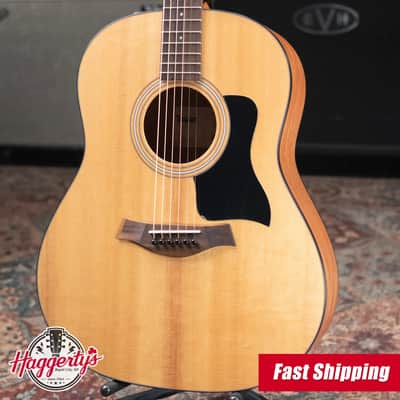
The Taylor 114ce LH is the premium left-handed acoustic guitar recommendation — Taylor produces an official left-handed version of this popular model with the same solid spruce top, ES2 pickup system, and Taylor neck profile. Taylor's NT neck joint produces excellent action and intonation. For left-handed players who want a professional-quality acoustic with electronics, the 114ce LH is the direct path. Used at $700–$850.
What to check used: Taylor left-handed models are available but production runs are smaller than right-handed — used availability may be limited in some markets. The Taylor 114ce LH is worth the search for players who want Taylor quality.
#8
Martin LX1E Left-Handed
Left-handed travel acoustic-electric · LH construction, HPL body, 23-inch scale, fishman electronics, travel-size, Martin quality$220–$260 new / $150–$200 usedBest for: Budget left-handed acoustic with electronics, travel size, Martin brand, affordable entry
The Martin LX1E LH is the budget left-handed acoustic option from a premium brand — Martin's LX1E (the Little Martin) uses HPL (High Pressure Laminate) rather than solid wood construction for weather resistance and price, but produces a functional acoustic tone. The onboard Fishman electronics allow plugging in for small venues. For left-handed beginners or players seeking an affordable acoustic with Martin's brand quality control, the LX1E LH is accessible. Used at $150–$200.
What to check used: HPL construction does not sound like a solid-wood acoustic — the tone is noticeably compressed and lacks the openness of a solid-top guitar. The LX1E is appropriate as a starter guitar or travel guitar. For players who want the full acoustic experience, the Seagull S6 LH at a higher price provides solid cedar top quality.