#1
Fender Frontman 10G
Practice Combo · 10W, 1×6" speaker, overdrive channel, clean channel$60–$80 new | $30–$50 usedBest for: Beginners who just want to plug in and play.
The Frontman 10G is the most common beginner amp in school music rooms worldwide. Reliable construction, loud enough for bedroom practice, and the overdrive channel gives basic distortion without needing a pedal. Fender quality at entry price. Available used constantly from players upgrading.
What to check used: The speaker is small (6"), so don't expect studio tone. The overdrive is basic — no tone shaping control, just on/off distortion. Check the speaker cone for tears or dust damage. Verify the overdrive channel isn't buzzing or crackling.
#2
Boss Katana-Mini
Mini Combo · 7W, 4" speaker, 3 amp characters, effects, USB audio$100 new | $60–$80 usedBest for: Players who want Boss quality in a compact package.
The Katana-Mini has three switchable amp characters (clean, crunch, lead) — previously unheard of for Boss at this price point. Runs on AC or batteries. Can record directly to computer via USB. Great for bedroom and travel. Tech-forward for a beginner amp.
What to check used: The 4" speaker is small; tone is acceptable but not warm. Menu navigation requires reading the manual (not intuitive). Battery life is 5–6 hours. Check the power switch for reliability on used units.
#3
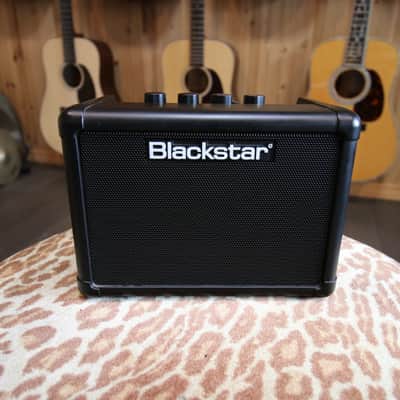
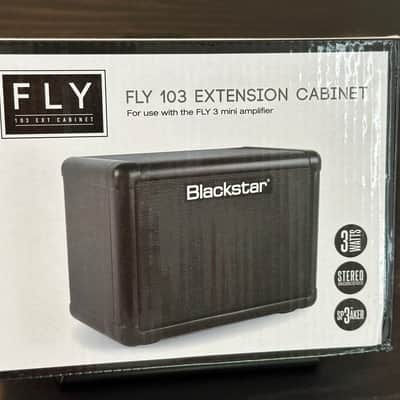
Blackstar Fly 3
Mini Combo · 3W, 3" speaker, tape delay built in, headphone output, battery powered$60–$80 new | $40–$55 usedBest for: Practice in apartments; headphone use; silent practice.
The Fly 3 has a built-in tape delay effect and a headphone output for silent practice. Battery powered (can also plug into AC). The tape delay gives character to the tone well beyond its price. Perfect for apartment dwellers or late-night practice.
What to check used: Only 3 watts is quieter than you might expect. Tape delay uses batteries fast. The tone is best through headphones or a larger external speaker. Check battery compartment for corrosion on used units.
#4
Vox Pathfinder 10
Practice Combo · 10W, 1×6.5" speaker, tremolo effect, clean and overdrive channels$80–$100 new | $50–$70 usedBest for: Players wanting British tone and vintage character under $100.
The Pathfinder 10 has a built-in tremolo that gives it character well beyond its price. Clean channel stays clean at moderate volumes. Overdrive is usable and natural-sounding (not fizzy). Vox is known for warm, compressed tone — you'll hear it from this little amp.
What to check used: Tremolo effect can't be defeated on overdrive channel — some players find this limiting. The speaker is small, so tone is thin at low volumes. Vox amps can have transformer hum on used units; listen for buzzing in the background.
#5
Fender Champion 20
Practice Combo · 20W, 8" speaker, effects built in (delay, reverb, chorus), tone controls$100 new | $55–$80 usedBest for: Players who want more volume and built-in effects.
The Champion 20 includes delay, reverb, chorus, and other effects. Louder than most beginner amps (20W, 8" speaker) without breaking the $100 mark used. Clean tone is warm and the reverb is authentic-sounding. More versatile than the Frontman 10G.
What to check used: More controls mean more to learn — read the manual on tone stacking. The 8" speaker is noticeably better than 6" but still not large. Check all effects on used units for crackling or dead knobs.
#6
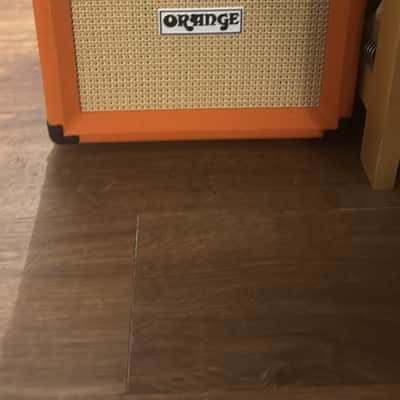
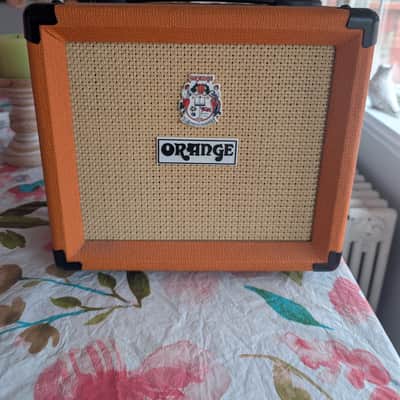
Orange Crush Mini
Mini Combo · 3W, 4" speaker, all-analog design, no digital effects$80–$100 new | $50–$70 usedBest for: Players who want Orange tone without the $800 price tag.
The Crush Mini is fully analog unlike most mini amps at this price. The Orange character (bright, punchy, mid-focused) comes through even at 3W. No digital interface — just knobs. Great for tube amp tone education on a beginner budget.
What to check used: Only 3W, so volume is limited to bedroom practice. Analog design means no built-in effects. The tone is warm but needs a larger speaker to really open up. Check the tubes aren't microphonic (tap the head — if it howls, tubes are bad).
#7
Peavey Vypyr VIP 1
Modeling Practice Amp · 20W, 8" speaker, 36 amp models, effects, accepts guitar/bass/acoustic$80–$120 usedBest for: Players wanting amp modeling and effects at entry price.
The Vypyr VIP 1 models 36 amp types and accepts guitar, bass, and acoustic-electric inputs. Huge versatility for the price. 20W is loud enough for jamming with a drummer. The modeling is impressive for a $100 amp. Great if you want to explore different amp characters.
What to check used: Modeling amp = menu diving on a small screen. Steep learning curve for beginners who just want to turn knobs. Check the screen for dead pixels on used units. Power switch contact can wear out from heavy use.