#1
Fender Player Plus Active Jazz Bass
Active J-bass for gigging (premier Fender Player-line) · Alder body, 3-band active EQ, 2 Player Plus Noiseless Jazz pickups, 34-inch scale, 9.5-inch fretboard radius$800–$950 new / $650–$800 usedBest for: Professional gigging on a sub-$1,000 budget, active EQ for venue-to-venue tone shaping, noiseless Jazz pickups for recording without 60-cycle hum, comfortable modern setup for intermediate to professional players
The Fender Player Plus Active Jazz Bass is the best sub-$1,000 Fender for serious gigging — the 3-band active EQ provides venue-adaptive tone shaping that passive basses require a DI or preamp to achieve. Player Plus Noiseless Jazz pickups eliminate the 60-cycle hum of standard J-bass single-coil pickups, critical for studio recording. The 9.5-inch fretboard radius is the most playable Fender modern setup. Used at $650–$800.
What to check used: Active EQ requires a 9V battery — carry spares and check battery level before gigs. Active preamp noise: if the Player Plus produces hiss or noise, check battery charge first. The Player Plus Active is heavier than passive Fender basses — if weight is a concern, compare body weights before purchasing.
#2
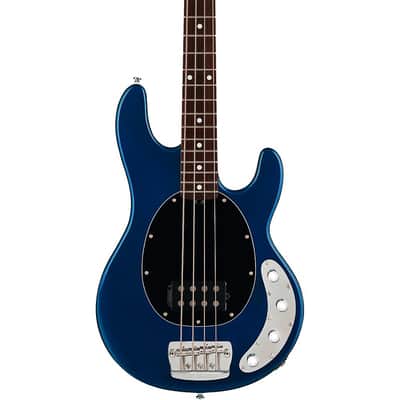
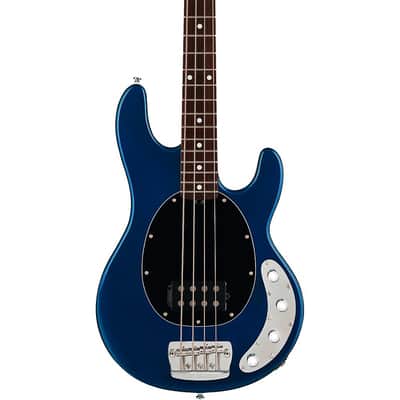
Music Man StingRay Special
Active American-made StingRay (pro quality at the $1K ceiling) · Ash body, 3-band preamp, Music Man ceramic humbucker, 34-inch scale, roasted maple neck$1,400–$1,700 new / $950–$1,150 usedBest for: Pro-quality American-made bass at or near the $1,000 ceiling, iconic StingRay active humbucker tone for rock, funk, and slap bass, roasted maple neck stability for gigging in varying humidity
The Music Man StingRay Special is the best value American-made bass at the $1,000 ceiling — used StingRay Specials hit $950–$1,150, providing American Music Man quality with the iconic active humbucker tone that has defined funk, rock, and slap bass since 1976. Flea (Red Hot Chili Peppers) and countless professional bassists use StingRay basses. The ceramic humbucker through active 3-band preamp is a benchmark professional tone. Used at $950–$1,150.
What to check used: StingRay Special used pricing ($950–$1,150) pushes the $1,000 budget ceiling — watch for deals on MusicMan.com Certified Pre-Owned (factory refurbished with warranty, often $950). The older Music Man StingRay HH ($700–$950 used) provides StingRay tone at lower cost with two humbucker pickups for more tonal variety.
#3
Sire Marcus Miller V7
Marcus Miller J-bass signature for versatile professional tone · Ash body, 2 single-coil Marcus Miller pickups, 3-band Sire active EQ with passive bypass, 34-inch scale$600–$700 new / $400–$550 usedBest for: J-bass tone with active EQ upgrade, Marcus Miller slap bass approach, passive/active switching for session versatility, professional tone at mid-range price
The Sire Marcus Miller V7 provides professional J-bass quality at mid-range pricing — the active/passive switching allows both the traditional J-bass passive tone and active 3-band EQ in one instrument. Marcus Miller's slap bass technique and the V7's specific pickup voicing produce a clear, punchy J-bass tone that suits modern studio and live work. The ash body brightens the tone for slap applications. Used at $400–$550.
What to check used: Sire basses have consistent quality control across production runs. The V7 neck profile is slightly slimmer than a traditional Fender J-bass — try the neck profile before purchasing if you're accustomed to Fender neck dimensions. The Gen III (2019+) models have the best build quality of the Sire V7 lineup.
#4
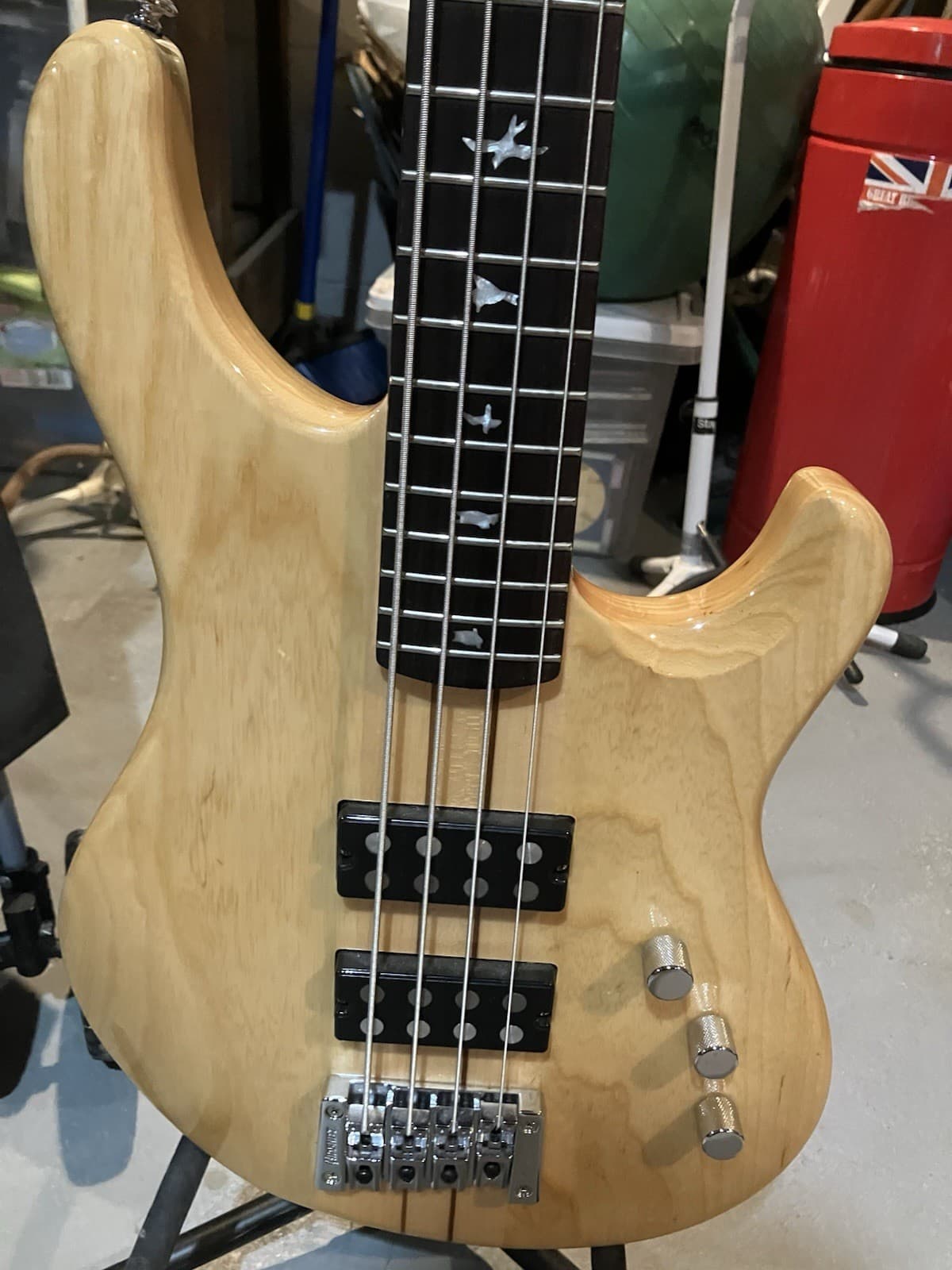
PRS SE Kingfisher
Modern professional bass at accessible price · Mahogany body, maple neck, PRS designed humbuckers, 34-inch scale, 24.75-inch equivalent voicing$550–$650 new / $380–$480 usedBest for: Modern professional bass players who want PRS quality at SE prices, warm humbucker bass tone for rock and pop, PRS fit and finish at mid-range pricing
The PRS SE Kingfisher delivers PRS quality at SE pricing — the mahogany body and PRS-designed humbuckers produce warm, full bass tone well-suited for rock, pop, and modern professional contexts. PRS quality control produces consistent instruments, and the Kingfisher's hardware and setup standards exceed typical mid-price basses. Used at $380–$480.
What to check used: PRS SE Kingfisher has two volume controls but no active EQ — the passive configuration requires DI or preamp for venue tone shaping that active basses handle onboard. For players who gig frequently across varying venue PA systems, an active bass (Player Plus, Sire V7) provides more onboard tone flexibility.
#5
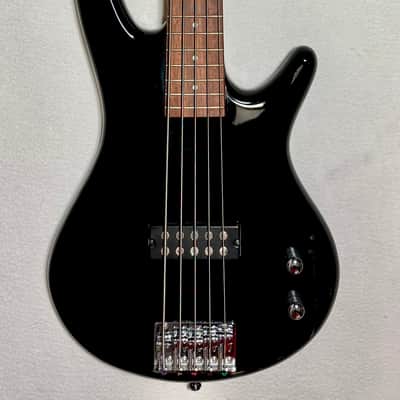
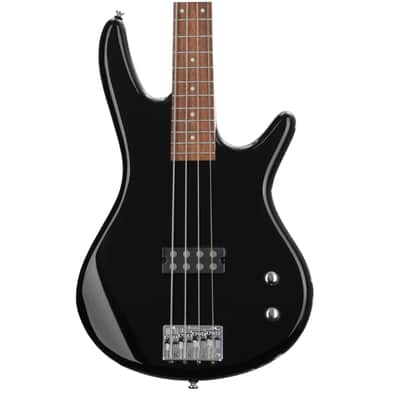
Ibanez SR500E
Active thin-neck bass for fast technique · Mahogany body, Nordstrand Big Single pickups, Bartolini active EQ, 34-inch scale, thin SR neck profile$700–$800 new / $450–$600 usedBest for: Fast playing technique on thin Ibanez SR neck profile, Bartolini active EQ for precise tone shaping, Nordstrand pickups for high-quality passive pickup character with active EQ, lighter weight than most professional basses
The Ibanez SR500E is the best thin-neck professional bass under $1,000 — the SR neck profile is thinner and faster-playing than Fender, PRS, or Music Man necks. Nordstrand Big Single pickups provide premium pickup quality at the SR500E's price point. The Bartolini active EQ is the same brand of preamp used in significantly more expensive basses. Used at $450–$600.
What to check used: The Ibanez SR neck's slimness is its primary attraction and primary limitation — players with large hands find the thin SR neck less comfortable than Fender-profile necks. Try the neck profile before committing if hand size is a consideration. Thin neck also means less wood mass, which some players hear as slightly less low-end body compared to Fender-style bass necks.
#6
G&L Tribute JB-2
American-designed J-bass by Leo Fender's company · Alder body, 2 G&L MFD single-coil pickups, passive, 34-inch scale$600–$700 new / $380–$490 usedBest for: Leo Fender-designed J-bass alternative to Fender, G&L MFD pickup upgrade over standard Fender J-bass pickups, classic passive J-bass tone with improved hardware
The G&L Tribute JB-2 is Leo Fender's J-bass design after leaving Fender — G&L's MFD (Magnetic Field Design) pickups are considered improvements over standard Fender J-bass pickups, providing wider frequency response and more output. G&L basses are often considered undervalued compared to Fender's brand recognition. For players who want the J-bass format with upgraded pickups and Leo Fender's design input, the JB-2 is the alternative. Used at $380–$490.
What to check used: G&L Tribute (Indonesian production) has good quality control but is not the same as G&L USA production ($1,100–$1,500 used). The MFD pickups on Tribute models are the same design as USA but with slightly different manufacturing tolerances. The Tribute JB-2 represents good value for the price, but direct Tribute-to-USA comparison reveals the difference in hardware quality.
#7
Yamaha BB434
Classic Yamaha BB-series professional quality · Alder body, 2 YGD humbucking pickups, passive, 34-inch scale$500–$580 new / $320–$420 usedBest for: Reliable gigging bass with Yamaha build quality and excellent intonation, balanced passive humbucker tone for session and live work, durable construction for regular touring
The Yamaha BB434 is the reliable professional gigging standard — Yamaha's build quality and quality control at mid-range pricing produces a consistent, well-setup instrument. The YGD humbucking pickups provide noise-free passive operation with warmer, fuller tone than single-coil J-bass pickups. For session work and professional gigging where consistency matters, the BB434's Yamaha reliability is the key selling point. Used at $320–$420.
What to check used: The Yamaha BB434 passive humbuckers are versatile but lack the active EQ of competitor basses at similar prices (Sire V7, Player Plus). If venue tone flexibility is the primary requirement, an active bass at similar pricing provides more onboard control. The BB434 suits players who prefer passive simplicity and minimal signal chain.
#8
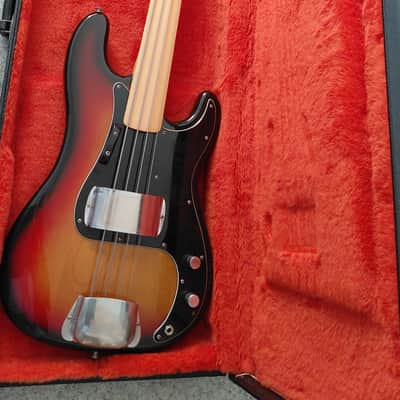
Fender Vintera 60s Precision Bass
Vintage-spec P-bass at Player-Plus price · Alder body, original-spec P-bass split single-coil, 34-inch scale, 7.25-inch vintage fretboard radius$900–$1,050 new / $650–$800 usedBest for: Classic passive P-bass tone for rock, Motown, country, and punk applications, vintage fretboard radius and soft V neck for traditional P-bass playing feel, Fender build quality at mid-range pricing
The Fender Vintera 60s Precision Bass provides the authentic vintage P-bass experience at $650–$800 used — the 7.25-inch fretboard radius and soft V neck profile match original 1960s P-bass dimensions. For rock, Motown, country, or punk bassists who want the classic P-bass tone without a vintage instrument's price, the Vintera P delivers. Used at $650–$800.
What to check used: The Vintera 60s P-Bass's 7.25-inch fretboard radius produces slight chord bend-out at upper fret positions — for players who use chords or upper-register lines, the flatter 9.5-inch or 12-inch radius is more comfortable. The vintage radius suits traditional P-bass low-register playing styles. Bass players who require upper-register access should consider the Fender Player Precision Bass instead.