#1
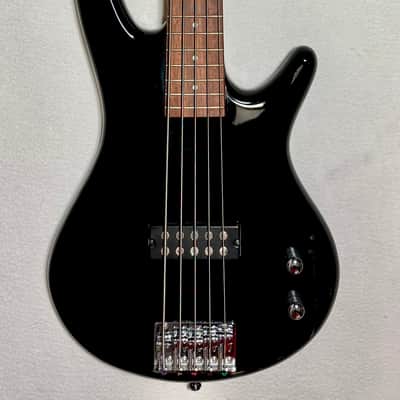
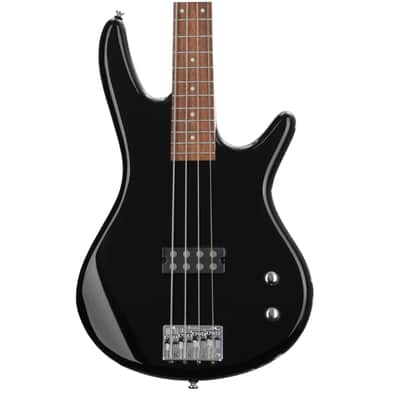
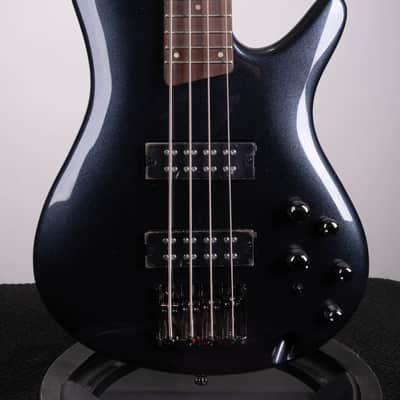
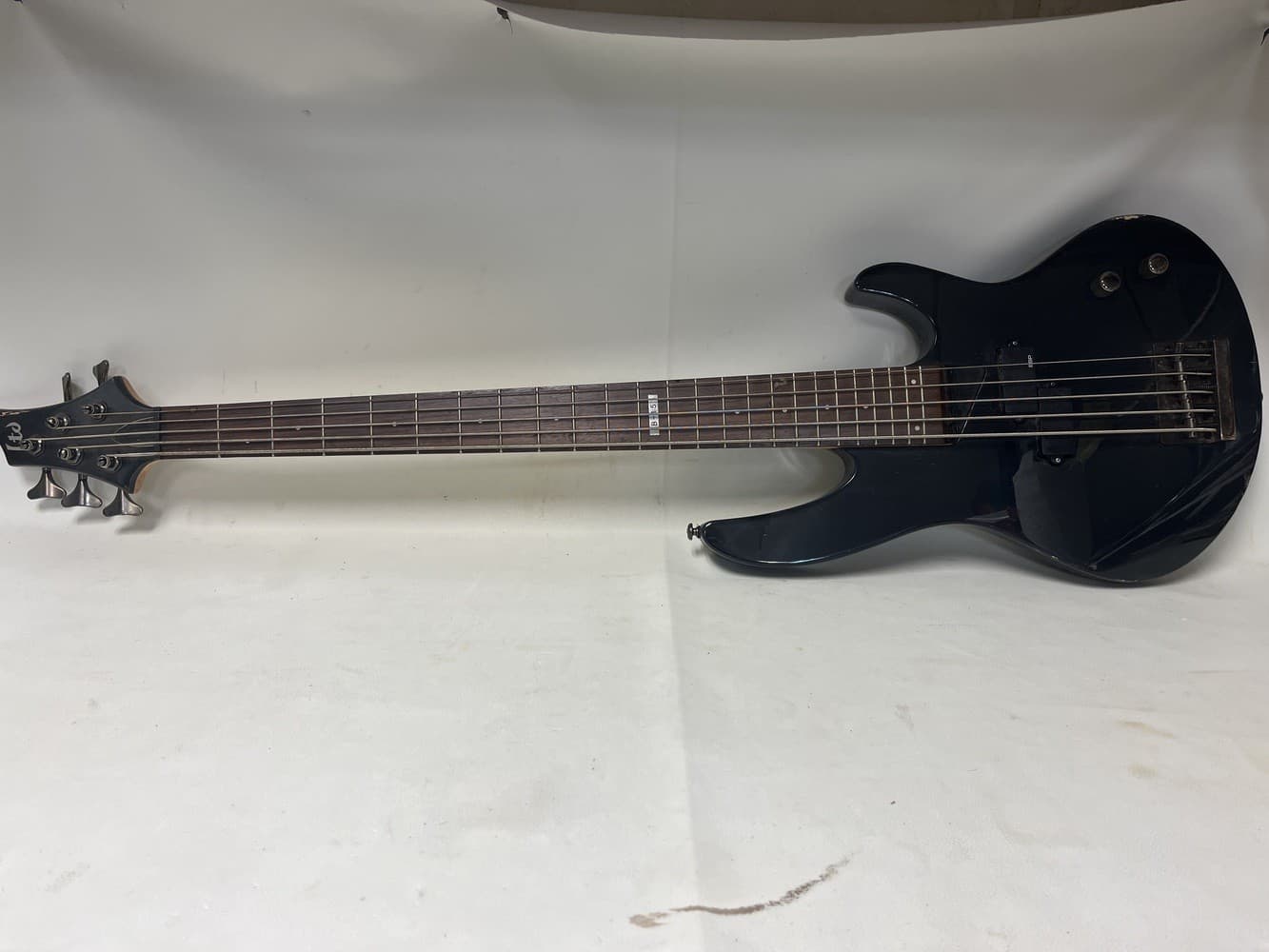
Ibanez SR505
5-string medium-scale active bass (best entry metal bass) · 5-string, mahogany body, thin SR neck profile, Bartolini MK-1 pickups with 3-band EQ preamp, 34-inch scale$550–$650 new / $380–$500 usedBest for: Best entry metal bass for technical and modern metal, 5-string range for drop tunings, Bartolini pickups and active EQ clarity
The Ibanez SR505 is the recommended entry metal bass — the SR neck profile is extremely slim and fast (ideal for technical metal bass playing), the 5-string configuration provides low B for drop tunings and extended range riffs, and the Bartolini MK-1 active pickups provide clear, punchy tone with the 3-band EQ preamp for dialing in the precise tone needed for aggressive metal playing. Used at $380–$500.
What to check used: The Bartolini MK-1 pickups on the SR505 are the budget version of Bartolini's lineup — the tone is good for the price but players who progress will often upgrade to full Bartolini or other premium bass pickups. Also, the slim SR neck profile is a preference item — some players find it too thin and prefer the chunkier feel of a Fender P-Bass or Jazz Bass neck.
#2
ESP LTD B-4E
4-string active bass with EMG pickups · 4-string, alder body, ESP bolt-on neck, EMG-HZ pickups, 3-band EQ preamp, 34-inch scale, standard satin finish$450–$550 new / $300–$420 usedBest for: Metal bass with ESP heritage, active EMG-HZ character, aggressive punchy tone, tight low-end for heavy riffs
The ESP LTD B-4E is ESP's entry active bass — ESP is primarily known as a guitar brand for metal but their bass instruments follow the same design philosophy: aggressive aesthetics, active electronics, tight construction. The EMG-HZ pickups with the 3-band preamp produce the tight, punchy, low-mid-forward tone that sits well in metal mixes. For players in the Metallica/classic metal tradition who want ESP bass tone at accessible prices, the B-4E delivers. Used at $300–$420.
What to check used: EMG-HZ pickups are the passive version of EMG's active pickup line — they use EMG aesthetics and housings but are passive designs with lower output than full EMG active pickups. The onboard preamp actively boosts the signal, but the pickup itself does not have the same high-output active character as EMG 40DC or 40CS active pickups. Players who specifically want full active EMG tone should look at instruments with EMG active (not HZ) pickups.
#3
Schecter Stiletto Extreme-4
4-string active bass with EMG active pickups · 4-string, maple body with walnut top, EMG-35DC/35CS active pickups, 3-band EQ, 35-inch scale, neck-through construction$600–$700 new / $420–$580 usedBest for: Genuine active EMG metal bass tone, 35-inch extended scale for tighter string tension, neck-through sustain, Schecter metal bass heritage
The Schecter Stiletto Extreme-4 uses actual EMG active pickups (35DC and 35CS), not the HZ passive versions — this provides the full high-output active EMG character that defines modern metal bass tone. The 35-inch scale (longer than standard 34-inch) tightens the strings for a more defined low end. Neck-through construction improves sustain and upper-register access. Used at $420–$580.
What to check used: Active EMG pickups require a 9V battery — the battery must be fresh for full output. Also, the 35-inch scale requires slightly longer string sets (35-inch scale bass strings). Verify string availability for 35-inch scale before committing. Long scale strings are widely available but require specific purchasing attention.
#4
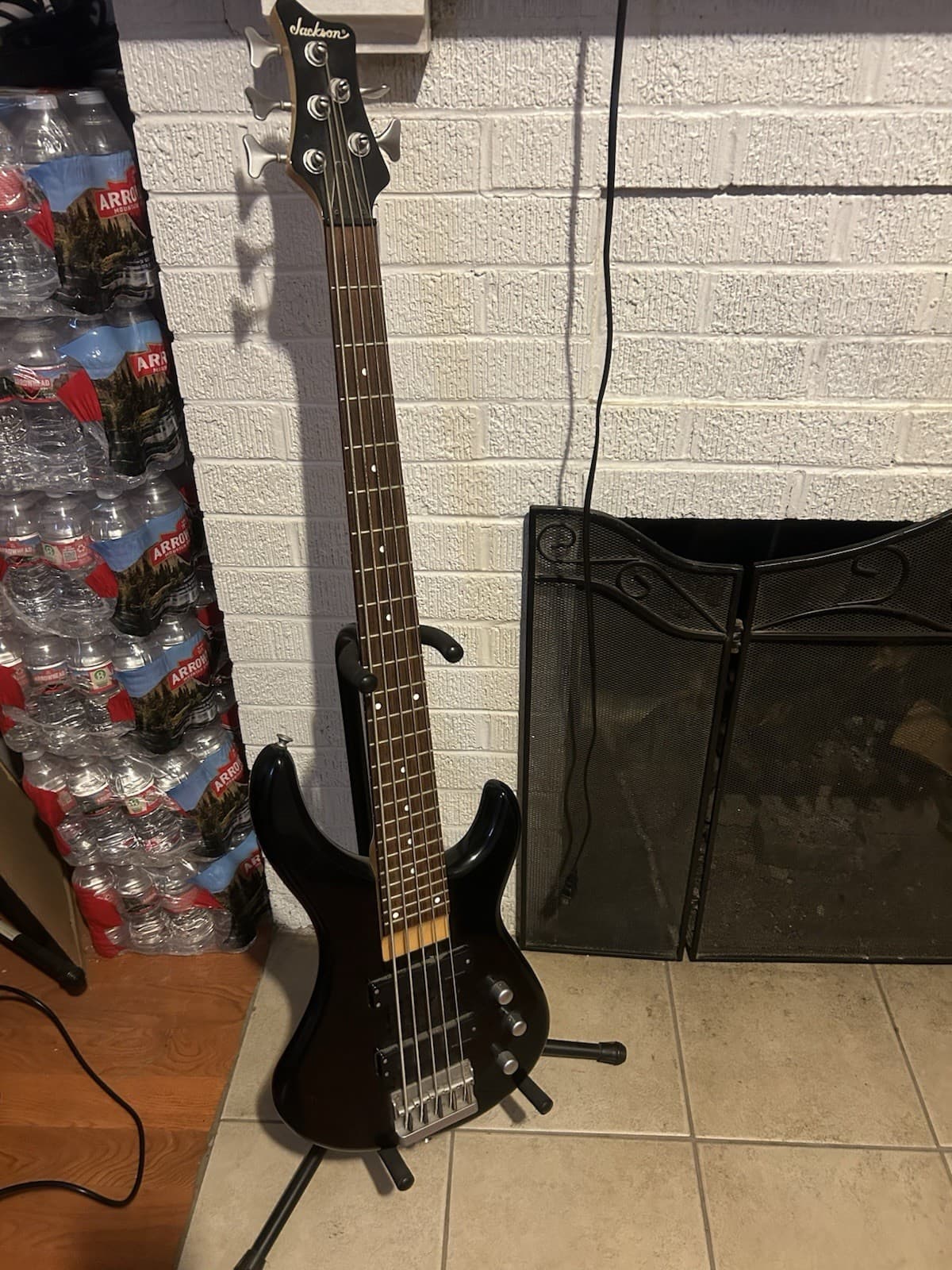
Jackson Concert Bass CBXNT
Jackson metal bass (neck-through) · 4-string, alder body wings, neck-through maple/walnut neck, Jackson high-output pickups, 34-inch scale, Jackson-style aesthetics$550–$650 new / $380–$520 usedBest for: Jackson aesthetics for metal bassists, neck-through sustain, Jackson-voiced pickups for aggressive tone, symmetrical body comfort
The Jackson Concert Bass CBXNT is the metal bass equivalent of Jackson's guitar lineup — Jackson is a metal-specific brand and the Concert Bass shares the same design philosophy as the Soloist and Warrior guitars. Neck-through construction, Jackson-matched headstock, and high-output pickups produce the aggressive character that metal bass requires. For players in bands where the guitarist uses a Jackson and visual coherence matters, the Concert Bass is the natural pairing. Used at $380–$520.
What to check used: Jackson bass instruments are less well-known than their guitar line — Jackson is primarily recognized as a guitar brand and their bass pickups and electronics are less universally praised than Schecter or Ibanez bass-specific offerings. The aesthetics and construction are excellent; the tone quality is good but not as specifically optimized for bass as dedicated bass brands.
#5
Spector Legend 4 Classic
Spector-bodied neck-through with Spector tone pump · 4-string, Spector rounded body contour, EMG-HZ pickups, Spector Tonepump Jr. preamp, 34-inch scale, curved back$500–$600 new / $350–$480 usedBest for: Spector trademark curved body and aggressive tone, Tonepump preamp character, metal and hard rock, familiar to Mastodon fans
Spector Guitars is a bass-specific brand with a distinctive aesthetic — the curved, carved body is instantly recognizable and the Tonepump preamp produces an aggressive, mid-forward tone that cuts through dense metal mixes. Mastodon's Troy Sanders and many other metal bassists use Spectors. For players who want the Spector tone and aesthetics at mid-range prices, the Legend 4 Classic is the entry point. Used at $350–$480.
What to check used: The Spector Legend 4 uses EMG-HZ pickups (passive design, not full active EMG) with the Tonepump active preamp — the character is good for metal but players who want full active EMG output should look at the Schecter Stiletto Extreme. Also, the Spector carved body shape is not universally comfortable — some players find the pronounced curves awkward for extended playing; try before purchasing.
#6
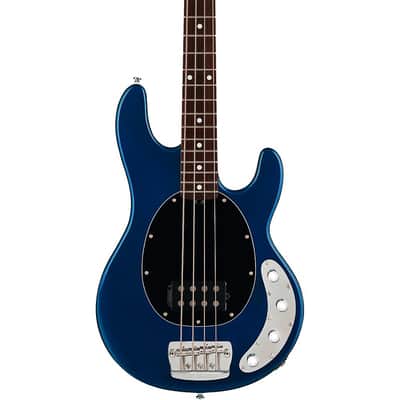
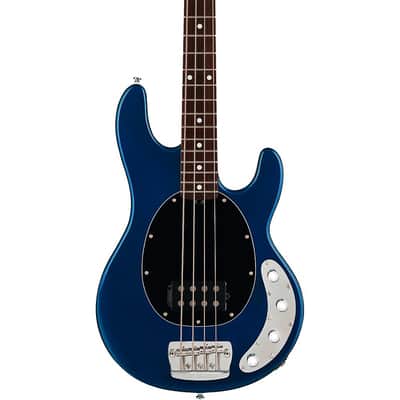
Music Man StingRay 4
Premium active bass (not just for metal, but excellent) · 4-string, ash or poplar body, Music Man humbucker, active 3-band EQ, 34-inch scale, American-made, classic pop and rock also$1,700–$2,000 new / $1,100–$1,600 usedBest for: Premium active bass tone, Music Man quality and sustain, recognizable StingRay character for any heavy-music style, long-term professional investment
The Music Man StingRay 4 is listed because it is used across metal, hard rock, and aggressive styles by many professional bassists — the active humbucker and 3-band EQ produce a clear, punchy, articulate tone that cuts through any mix. The StingRay is American-made with excellent quality control. For metal bass players who want a premium professional instrument without choosing a metal-specific brand, the StingRay is the professional standard active bass that works for heavy music. Used at $1,100–$1,600.
What to check used: The Music Man StingRay is expensive compared to metal-specific bass alternatives — the investment is justified for professional players but is not the practical starting point for beginners. The StingRay's tone is also specific (high-mid punch, aggressive clarity) which is excellent for metal but different from the warm, dark tone of a Fender P-Bass. Players who want the StingRay character specifically should confirm it is the tone they want.
#7
Warwick Rockbass Corvette Basic 4
German-inspired bass with natural wood tone · 4-string, alder body, MEC J pickups (passive), 34-inch scale, Warwick just-a-nut, German Warwick design$500–$600 new / $340–$480 usedBest for: Warwick tone at Rockbass prices, natural wood character, versatile from metal to progressive, MEC pickup articulation
The Warwick Rockbass Corvette is the affordable entry into Warwick-designed bass instruments — Warwick (Germany) is one of the premier bass brands for progressive metal and fusion, used by players like Robert Trujillo (Metallica), Dirk Lance (Incubus), and many others. The MEC pickups produce an articulate, growling tone that is distinctive in heavy mixes. For metal and progressive metal players who want Warwick aesthetics and tone at Rockbass pricing, the Corvette Basic is the recommendation. Used at $340–$480.
What to check used: The Rockbass Corvette is made in Asia (not Germany) under Warwick's design — the quality is good for the price but differs from German-made Warwicks. The MEC J pickups are passive; players who want aggressive active output should look at the Schecter or Ibanez active options instead. The Rockbass is most recommended for progressive metal where articulation and character matter more than raw output.
#8
Dingwall NG-2 (Nolly Getgood Signature)
Fanned-fret 5-string (djent and modern metal) · 5-string, fanned frets (37-inch low B, 34-inch high G), Dingwall FD-3 pickups, Darkglass Electronics 3-band preamp, modern djent focus$1,200–$1,400 new / $800–$1,100 usedBest for: Fanned fret tension optimization for extended range, djent and modern progressive metal, Darkglass preamp for modern heavy tone
The Dingwall NG-2 (Nolly Getgood of Periphery signature) is the premium choice for djent and modern progressive metal — fanned frets provide optimal string tension across all strings (the low B is longer for tighter tension, the high G is shorter for comfortable playing), and the Darkglass Electronics 3-band preamp is the preferred preamp for modern heavy bass tone. For serious djent and tech metal bassists who want the specific tool that professionals in that genre use, the Dingwall NG-2 is it. Used at $800–$1,100.
What to check used: Fanned frets require an adjustment period — the angled frets feel different from standard straight frets initially and may take 2-4 weeks to fully adapt to. Some players never adapt comfortably. If possible, try a fanned-fret instrument before committing to this purchase. The Dingwall NG-2 is specifically appropriate for experienced bassists who have confirmed they want extended-range fanned-fret instruments.