#1
Squier Affinity Stratocaster
Budget electric guitar (3 single-coil pickups) · 25.5-inch scale, 3 Alnico pickups, alder body, maple neck, standard Fender trem, 21 frets$150–$220 usedBest for: Entry-level electric guitar, classic Fender tone at budget price, rock and pop foundation
The Squier Affinity Strat is the most recommended first electric guitar for teenage boys because it is affordable, sounds good, and is a "real" Fender design (not a cheap knockoff). At $150–220 used, a teen can own an actual Stratocaster body design with real Fender engineering. The 3 single-coil pickups cover everything from clean to overdriven tones.
What to check used: Squier uses lower-grade woods and simpler hardware than American-made Fenders. Expect some playability issues out of the box — budget for a $60–80 setup (nut work, truss rod adjustment, bridge saddle tweaking). After setup, the Affinity Strat is genuinely good.
#2
Epiphone Les Paul Standard
Mid-level solid-body electric (2 humbuckers) · 24.75-inch Gibson scale, 2 Alnico humbuckers, mahogany body and neck, 22 frets, glued-in neck$300–$420 usedBest for: Heavier tone for rock and blues, iconic shape, perceived as more "serious" than Squier
The Epiphone Les Paul is a step up from Squier both in build quality and perceived coolness — every rock guitarist recognizes the Les Paul shape. The two humbuckers deliver fat, rich tone ideal for rock, blues, and metal. The Gibson 24.75-inch scale and thick mahogany body feel substantial and "real" compared to a thin Stratocaster.
What to check used: The Les Paul is heavier than a Strat (8+ lbs) — comfort for sitting or standing depends on the teen's build. The thick body is less comfortable to reach across the top for upper-fret playing. Play before purchasing.
#3
Fender Player Stratocaster
Quality electric guitar (3 single-coil pickups) · 25.5-inch scale, 3 V-Mod pickups, alder body, 22 frets, modern Fender trem, professional specs$350–$480 usedBest for: Professional quality without the pro price, excellent out-of-the-box playability, future-proof investment
The Fender Player Strat is the best electric guitar investment for a teen because it is genuinely good quality and will not need replacing in a year or two. Modern Fender specs, good pickups, and professional playability straight from the factory. Used Player Strats hold value well, so a teen can sell it later if they lose interest.
What to check used: The Player series is more expensive than Affinity but still budget Fender. The difference in quality is real but not dramatic — if the teen has a used Affinity that is set up well, waiting until they outgrow it before upgrading to a Player is economically sensible.
#4
PRS SE Standard 24
Mid-to-high-end electric (2 humbuckers, slim neck) · 24.594-inch PRS scale, 2 PRS-designed humbuckers, mahogany body, 24 frets, Wide-Thin neck profile$350–$480 usedBest for: Teens who want to stand out, slim neck profile, versatile humbucking tone, college-dorm portable
The PRS SE Standard 24 is for the teen who wants to differentiate from the Strat/Les Paul crowd. The slim Wide-Thin neck profile is genuinely comfortable (narrower than Gibson, thinner front-to-back than Fender), 24 frets allow access to higher positions, and the 24.594-inch scale is a sweet spot between Fender and Gibson. The tone is versatile — clean, overdriven, and aggressive all work well.
What to check used: PRS guitars cost more than Squier but are not "name brand" for mainstream rock. Some teens see Strats and Les Pauls as cooler by default. The SE series is Korean-manufactured (excellent quality for price, but not American-made). Confirm the teen is interested in the PRS aesthetic before purchasing.
#5
Yamaha Pacifica 112V
Budget electric guitar with versatile pickups · 25.5-inch scale, HSS configuration (humbucker + 2 single-coils), alder body, 21 frets, comfortable neck$200–$300 usedBest for: Versatile tone across genres, comfortable HSS configuration, best value for $200–300 price point
The Yamaha Pacifica is criminally underrated — it offers better quality than a Squier and more versatility than a Les Paul at an affordable used price. The HSS pickup configuration (humbucker in the bridge, single-coils in middle and neck) covers everything from clean jazz to metal. Yamaha's quality control is consistently good, so used Pacificas are reliably solid.
What to check used: The Pacifica brand lacks the rock coolness of Fender or Gibson. Teens who are brand-conscious may see Yamaha as "uncool." It is genuinely a great guitar, but perception matters to teenagers.
#6
Jackson JS32 DK (Dinky)
Metal-focused electric guitar (2 humbuckers, thin body) · 25.5-inch scale, 2 Duncan Designed humbuckers, thin solidbody, 24 frets, modern styling$180–$260 usedBest for: Teenage metal players, thin fast neck, modern aggressive styling, high-output pickups
For metal-obsessed teens, the Jackson Dinky is the gateway guitar. The thin body is comfortable for high-fret playing, the thick humbuckers handle distortion well, and the modern styling is way cooler than a Strat for a 14-year-old metalhead. Jackson Dinkys have been played by metal professionals for 30 years — it is a legitimate instrument.
What to check used: The Jackson is a specialist guitar for metal/hard rock. It looks weird and aggressive if the teen's musical taste is actually pop or country. Confirm the musical direction before purchasing.
#7
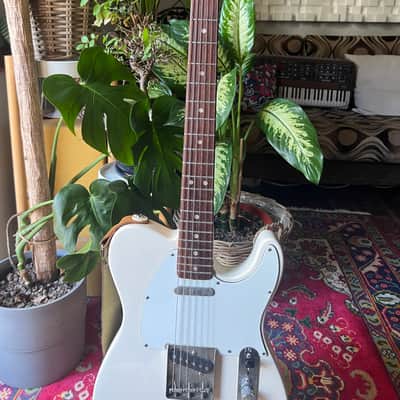
Squier Classic Vibe Telecaster
Retro single-coil electric (2 single-coil pickups) · 25.5-inch scale, 2 vintage-style single-coil pickups, alder body, 21 frets, vintage aesthetic$250–$360 usedBest for: Teens who like indie/alt/punk, bright single-coil tone, thin body comfort, retro styling
The Squier Classic Vibe Telecaster is for the indie-rock teen who wants to stand apart from Strats and Les Pauls. The bright, twangy tone works great for punk, indie, and alt-rock. The thin body is extremely comfortable for long sessions. The vintage aesthetic appeals to teens interested in Weezer, Arctic Monkeys, and similar bands.
What to check used: The bright tone is not ideal for blues or metal — this is a specific guitar for specific styles. Confirm the musical direction.