#1
National Style O Resonator
Metal resonator, authentic Delta blues tone · Metal body and cone, 12.75-inch scale, open D or open G tuning, single-cone design, bright cutting tone$800–$1,100 usedBest for: Delta blues authenticity, Muddy Waters and Son House tone, cutting tone through band mix, traditional slide blues
The National Style O Resonator is the authentic Delta blues instrument — used by Muddy Waters, Son House, Skip James, and every major Delta blues player. The metal body and single-cone design produce a cutting, bright tone that cuts through band mix and rivals amplified tone. The resonator produces acoustic volume without amplification, allowing slide guitar technique to cut audibly. National Style O instruments are robust and built for playing. Used at $800–$1,100.
What to check used: Metal resonators are louder acoustically than wood guitars but produce a specific, bright tone that is polarizing — some players love the cutting tone, others find it harsh. Metal resonators can produce feedback and ringing in band settings without proper damping technique. Cone replacement ($200–$400) may be needed if the cone cracks or warps. National Style O instruments are heavy and require neck support for extended playing.
#2
Dobro Hound Dog Resonator
Dobro single-cone resonator, budget resonator option · Single-cone design, wood body with metal cone, open G tuning, acoustic and amplified capability$350–$500 usedBest for: Budget resonator entry point, Dobro character and tone, solo Delta blues playing, Ry Cooder style
The Dobro Hound Dog is an affordable resonator guitar combining wood construction with a metal cone — the wood body produces warmer tone than all-metal National instruments while maintaining resonator cutting tone. The Dobro brand is associated with American slide blues and bluegrass. The Hound Dog is well-built and playable at a lower price than National instruments. For players exploring slide blues without committing to an expensive National, the Dobro Hound Dog is the entry point. Used at $350–$500.
What to check used: Dobro single-cone instruments produce slightly less acoustic volume than National all-metal instruments — understand the tone difference before purchasing. Cone quality varies across Dobro production — inspect the cone for cracks and resonance. Many Dobro players amplify through a pickup-equipped model or add aftermarket pickups.
#3
Gibson Les Paul (1970s-1980s) — Duane Allman Setup
Electric solid body, high-action setup for slide · 24.75-inch scale, mahogany body, humbucker pickups, neck-through sustain, high action (0.125-inch+)$700–$1,000 usedBest for: Allman Brothers slide blues style, sustain and warmth, electric amplified slide tone, modern blues application
The Gibson Les Paul is the electric slide guitar of choice for Duane Allman, Derek Trucks, and Allman Brothers-style slide blues — the heavy mahogany body, humbucker pickups, and long sustain produce warm, singing tone under slide. High action setup (0.125-inch or higher) is critical for slide guitar to avoid string buzzing. A 1970s–1980s Les Paul with proper high-action setup transforms into an excellent slide instrument. For electric slide blues and Allman Brothers tone, the Les Paul is the recommendation. Used at $700–$1,000.
What to check used: Standard Les Paul setup includes low action (0.063-inch) optimized for fingerstyle playing — slide guitar requires custom high-action setup by a luthier ($200–$400). Many Les Paul players revert to standard action after high-action setup is complete — verify the current action height when purchasing used. Humbucker pickups on Les Pauls pick up feedback under high-volume slide — controlled feedback is part of the Allman tone but requires technique to manage.
#4
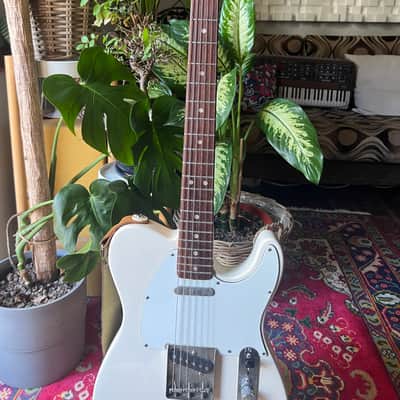
Fender Telecaster (Standard or Thinline Semi-Hollow)
Electric solid body or semi-hollow, bright slide tone · 25.5-inch scale, alder body (solid) or semi-hollow construction, single-coil or humbucker pickups, bright twang$350–$480 usedBest for: Ry Cooder open G slide style, country and blues tone, traditional slide tone, affordable electric slide
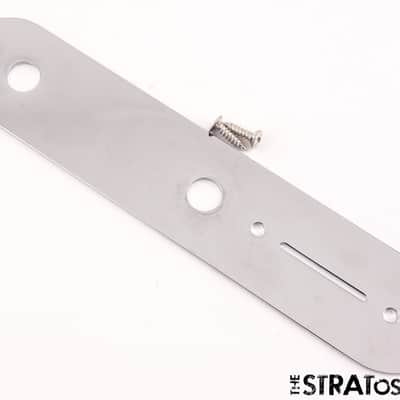
The Fender Telecaster is the slide guitar of choice for Ry Cooder, John Lee Hooker, and open-G slide blues tradition — the bright, clear single-coil tone cuts audibly in band mix and provides excellent feedback control. The Telecaster's traditional tone is ideal for Delta blues, country blues, and Americana slide applications. A Telecaster set up for slide (high action, open G tuning) is authentic and playable. Used at $350–$480.
What to check used: Single-coil Telecasters produce more pickup noise than humbucker alternatives — shield the electronics or accept inherent single-coil hum. The bright tone can sound thin in some applications — layer effects or use tube amplification to warm the tone. Semi-hollow Telecaster Thinlines have different tone and feedback characteristics — test both solid and semi-hollow designs.
#5
Gretsch G5622T Electromatic (Semi-Hollow)
Semi-hollow body with FilterTron tone, Americana character · 24.75-inch scale, semi-hollow body, FilterTron pickups, warm resonance, vintage-style construction$600–$820 usedBest for: Warm slide tone, semi-hollow resonance, Gretsch character for slide, vintage blues aesthetic
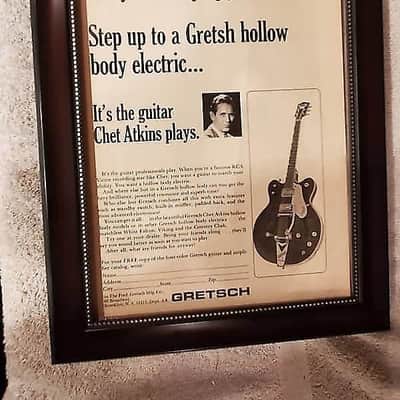
The Gretsch G5622T Electromatic is an excellent semi-hollow option for slide blues — the semi-hollow construction provides acoustic resonance and feedback control superior to solid-body guitars. The FilterTron pickups produce warm, clear tone ideal for blues applications. Gretsch guitars have strong blues heritage (Chet Atkins, rockabilly players). The G5622T combines modern affordability with vintage Gretsch character. Used at $600–$820.
What to check used: Semi-hollow guitars produce feedback at high amplification — feedback is manageable with proper damping technique but requires understanding. FilterTron pickups are lower output than humbuckers — amplifier gain settings need adjustment compared to humbucker guitars. The 24.75-inch scale is shorter than Telecaster and requires hand position adjustment for slide technique.
#6
Regal RC-51 Spider Cone Resonator
Resonator acoustic, budget National alternative · Single metal cone, wood body, 24.75-inch scale, open D tuning, acoustic volume and tone$200–$280 usedBest for: Budget resonator entry, acoustic Delta blues, fingerstyle slide application, vintage resonator tone
The Regal RC-51 Spider Cone Resonator is a budget alternative to expensive National instruments — the single-cone design produces authentic resonator tone at a fraction of the cost. Regal was a historic American guitar manufacturer and the RC-51 represents affordable resonator construction. For acoustic, unamplified Delta blues playing, the Regal is an excellent entry point. Used at $200–$280.
What to check used: Regal RC-51 instruments are older and may require restoration (cone replacement, bridge reset, truss rod adjustment) — budget $300–$500 for professional setup. Tone varies significantly based on cone condition — have a luthier inspect the cone for cracks and resonance before purchasing. Regal instruments are valuable for authenticity but require more maintenance than modern instruments.
#7
Squier Classic Vibe Telecaster 50s
Modern budget Telecaster, beginner slide platform · 25.5-inch scale, alder body, single-coil pickups, affordable entry platform, modern reliability$200–$280 usedBest for: Budget electric slide entry, learning slide technique, beginner platform, affordable tone exploration
The Squier Classic Vibe Telecaster 50s is an affordable entry platform for electric slide blues — the modern construction is reliable, setup is more straightforward than vintage instruments, and the tone is acceptable for learning. While tone does not match vintage Telecasters or premium Fenders, the Squier is a playable and affordable starting point for slide technique development. Used at $200–$280.
What to check used: Budget Telecasters have limitations in tone and sustain compared to American Fender instruments — this is expected at the entry price point. Single-coil pickups require shielded electronics to minimize noise. The learning curve from budget to premium Telecaster is modest — many players start with Squier and upgrade to American Fender or vintage Telecaster after developing technique.